 St. Petersburg Siding
 Why Crescent Lake Siding Takes More Damage Than People Expect
Crescent Lake is one of the older, established neighborhoods close to downtown St. Petersburg, and homes there carry a lot of exterior history — decades of Florida sun, storm cycles, and humidity working on the same walls. Siding repair here isn't just a cosmetic fix. Pinellas County sits on a peninsula, which means every neighborhood in it, including Crescent Lake, gets year-round exposure to salt-laden air moving in off the water, even blocks away from the shoreline. Add hurricane-force wind events, intense UV that doesn't let up for most of the year, and wind-driven rain that gets pushed sideways into seams and trim, and you have a climate that is genuinely harder on exterior siding than most of the country deals with.
That combination is why a repair that would hold up fine in a drier, milder climate can fail again within a year or two here if it's not done correctly. A proper Crescent Lake siding repair has to account for what's actually causing the damage, not just cover it up.
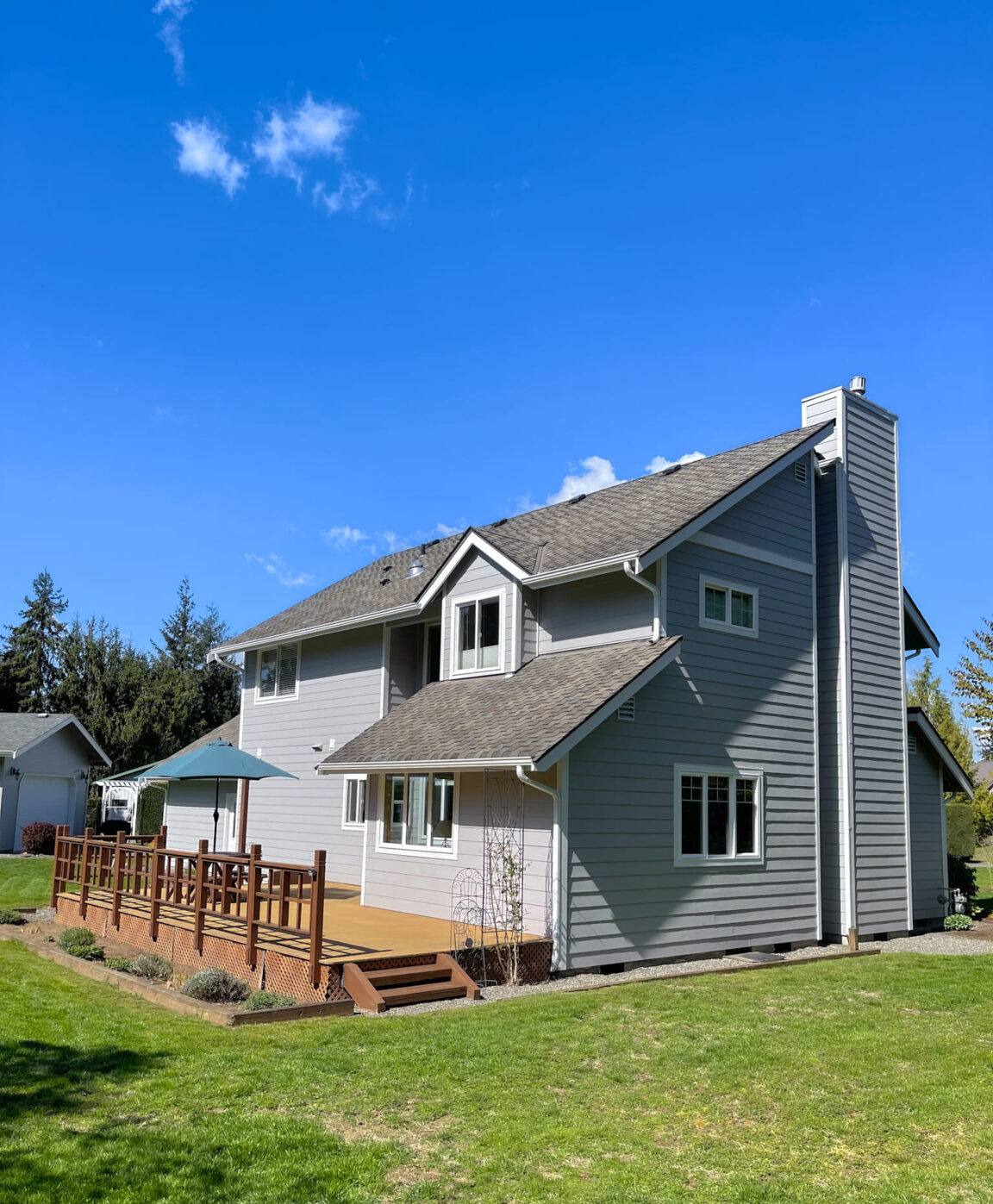
The Siding Problems We Actually Find on Crescent Lake Homes
Because Crescent Lake has a mix of older homes and newer construction, we see a wide range of siding conditions — original wood or hardboard siding on older houses, vinyl added during a past remodel, and fiber cement on more recently updated or built homes. The failure patterns differ by material, but a few show up again and again:
- Cracked, warped, or delaminating panels from sustained UV exposure and heat cycling
- Buckled or bowed boards caused by moisture getting behind the siding and swelling the substrate
- Popped or backed-out fasteners from wind uplift during storm events
- Caulk failure at butt joints, corners, and trim — usually the first thing to go and the first sign of bigger problems underneath
- Paint film failure that exposes bare substrate to sun and rain
- Soft or rotted material near the bottom courses, often from irrigation spray, poor grading, or splashback
- Impact damage and hairline cracking from wind-blown debris during storms
None of these are unusual for the area. What matters is catching them before moisture gets past the siding and into the wall assembly, where the real damage — and the real cost — happens.
What a Correct Siding Repair Actually Involves
It starts with what's behind the siding, not the siding itself
A repair that only addresses what's visible on the surface is a temporary fix. Before we touch a damaged panel, we check what's happening behind it: is the house wrap or sheathing wet or compromised, is there evidence of ongoing moisture intrusion, and is the framing underneath still sound. Repairing over a wet or soft substrate just traps the problem and guarantees it comes back.
Matching matters more than people think
Replacement panels need to match the existing siding's profile, exposure (the reveal width), and finish — not just the general look. A patch that's close but not exact is visible from the street, especially once sun exposure starts to fade the surrounding siding at a different rate than a new piece. On repairs where we can match factory-finished Hardie ColorPlus panels to existing product, that mismatch risk goes way down.
The details that actually prevent repeat failures
Correct fastening patterns, proper flashing and drainage at penetrations (windows, doors, hose bibs, light fixtures), and correctly sequenced caulking at joints are what separate a repair that lasts from one that fails again in the next storm season. These are the steps that get skipped on rushed patch jobs, and they're exactly the steps that matter most in a coastal wind-and-rain climate.
Repair or Replace? How We Make That Call
Not every siding problem needs full replacement, and not every problem should be patched. We look at a few consistent factors to figure out which makes sense for a given home.
| Factor | Repair Usually Makes Sense | Replacement Usually Makes Sense |
|---|---|---|
| Extent of damage | Isolated to one or two elevations or a handful of panels | Spread across multiple elevations or recurring in the same areas |
| Substrate condition | Sheathing and framing underneath are dry and sound | Sheathing is soft, waterlogged, or shows rot |
| Material age and type | Existing material is still sound and repairable (including most Hardie siding) | Original material is aging hardboard, discontinued vinyl, or deteriorated wood nearing end of service life |
| Cost relative to full job | Repair cost is a small fraction of full replacement | Repair cost starts approaching what replacement would run |
| Storm and moisture history | One-time storm or impact damage | Chronic moisture intrusion or repeated storm-cycle damage |
We'll always tell you honestly which category your home falls into. There's no reason to sell a Crescent Lake homeowner a full re-side when a targeted repair will genuinely hold up — and no reason to keep patching a wall that's past the point of a durable fix.
Why Every Repair and Replacement Panel We Use Is James Hardie
We install James Hardie fiber cement exclusively — we don't work with LP SmartSide, vinyl, Cemplank, Allura, or primed wood siding. For repair work specifically, that standardization matters in a practical way: it means color-matched ColorPlus panels, consistent profiles, and a product engineered for exactly the conditions Crescent Lake deals with.
Hardie's HZ5 product line is formulated for hot, humid, storm-prone climates like Florida's, which is a meaningfully different engineering target than siding built for a mild inland climate. It's non-combustible, holds up to sustained UV without the surface degradation that drives a lot of hardboard and some engineered wood products to fail early, and the ColorPlus factory finish is baked on under controlled conditions rather than field-painted, which is a big part of why it resists the fading and peeling that generates repeat repair calls in this climate. It also carries a strong transferable warranty when installed to spec — something that matters if you ever sell the home.
When a repair involves replacing damaged sections on a home that already has Hardie siding, matching is straightforward. When it involves a home with older wood, hardboard, or vinyl siding that's failing in multiple spots, we'll walk you through what a transition to Hardie would look like rather than layering another round of mismatched patches onto a product that's already near the end of its service life.
Our Siding Repair Process for Crescent Lake Homes
- Inspection. We check the visible damage and, just as importantly, what's happening behind and around it — moisture, substrate condition, and whether the problem is isolated or spreading.
- Written scope and estimate. You get a clear breakdown of what's being repaired, what material is being used, and what it costs — no vague line items.
- Removal and substrate check. Damaged siding comes off, and we confirm the sheathing and framing underneath are sound before anything goes back on.
- Matched replacement material. Panels are matched for profile, exposure, and finish so the repair doesn't stand out.
- Correct fastening, flashing, and sealing. Installed to manufacturer specification and Florida Building Code requirements for wind and water resistance.
- Final finish and walkthrough. Caulking, touch-up, and a final check with you before we consider the job done.
Why a Crew That Already Works Crescent Lake Matters
Siding repair in this neighborhood isn't generic exterior work. A crew that regularly works Crescent Lake and the surrounding St. Petersburg neighborhoods already understands the mix of home ages and siding types you'll find here, knows how Pinellas County permitting works for exterior repairs, and has existing supplier relationships that keep material lead times shorter — which matters when you're trying to get storm damage addressed before the next system rolls through. That local familiarity also means fewer surprises during the inspection: we've seen how homes in this area typically fail, so we know where to look first.
It also means accountability. A contractor who plans to keep working in your neighborhood has every reason to do the repair right the first time, because a callback is a lot more visible when you're a familiar name on the same streets.
Keeping a Repair From Turning Into a Repeat Repair
Once a repair is done correctly, a little routine attention keeps it that way in this climate:
- Check caulk lines at joints and trim once a year, and again after any major storm
- Keep gutters and downspouts clear so water doesn't sheet down the wall
- Keep vegetation and tree limbs trimmed back from siding surfaces
- Rinse siding periodically to clear salt air residue, especially on shaded or low-airflow walls
- Watch for chalking, bubbling, or peeling paint film as an early warning sign
- Address any pest or woodpecker damage promptly rather than letting it become an entry point for moisture
- Look for new gaps or separation around windows and doors after storm season
None of this is complicated, but it's the difference between a repair that lasts and one you're paying for again in a couple of years.
If you've got damaged, cracked, or failing siding on a Crescent Lake home, we'll come take a look and give you a straight answer on what it needs — repair or replacement — along with a free, no-pressure estimate.