 St. Petersburg Siding
 Why Old Northeast Roofs Wear Differently
Old Northeast is one of St. Petersburg's oldest and most architecturally distinct neighborhoods, full of bungalows, Mediterranean Revival homes, and other early-20th-century designs with steep hips, multiple roof planes, dormers, and deep eaves. Those rooflines are part of what makes the neighborhood look the way it does, but they're also more complex to build and re-roof correctly than a simple gable on a newer subdivision home. More planes mean more valleys, more flashing points, and more places where a rushed job fails first.
Add in the neighborhood's mature tree canopy, which keeps roofs shaded but also holds moisture and drops debris into valleys, and the proximity to Tampa Bay's open water, which means more salt in the air than homes a few miles inland get. A roof here is doing more work than the same roof would in a newer, more exposed part of Pinellas County.
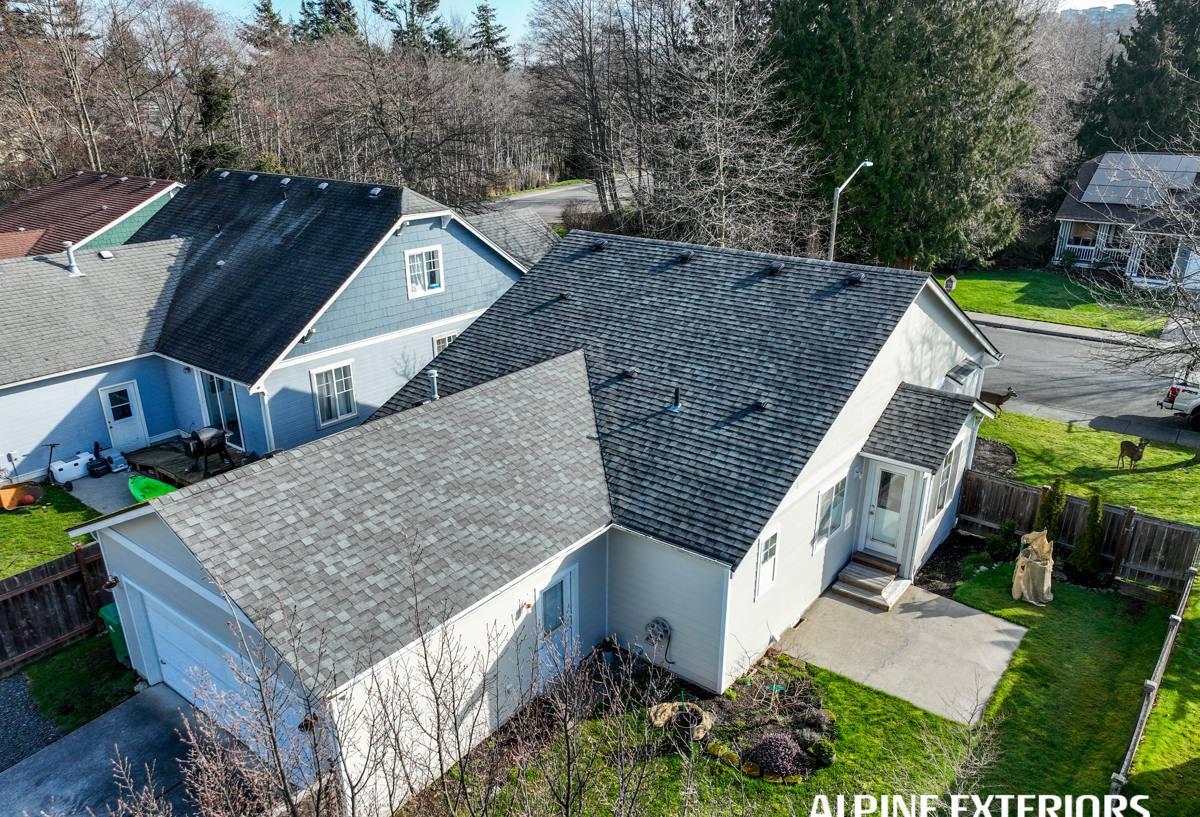
What St. Petersburg's Climate Actually Does to a Roof
We don't have to guess at what ages a roof in this area — it's the same handful of factors, year after year:
- Year-round UV. Florida sun bakes asphalt shingles far faster than shingles rated for northern climates, drying out the asphalt and shedding granules that protect against water.
- Wind-driven rain. Storms here rarely drop rain straight down. Wind pushes water sideways and up under shingle edges, flashing, and vents, which is why the underlayment and flashing details matter as much as the shingles themselves.
- Salt air. Being close to the water accelerates corrosion on exposed fasteners, drip edge, and flashing, especially anything not rated for coastal exposure.
- Hurricane-force wind. Every nail, clip, and connection in the roof system gets tested during storm season, and a roof is only as strong as its weakest attachment point.
None of these factors is dramatic on its own, but stacked together over a decade or two, they're why roofs in this part of Pinellas County typically need replacement sooner than the manufacturer's rated lifespan would suggest.
Signs an Old Northeast Roof Needs Replacing, Not Patching
A lot of older roofs get patched repeatedly because a patch is cheaper up front. But at a certain point, patching stops being a repair and starts being a way to delay a decision that's already been made by the roof itself.
| Signal | Usually means repair | Usually means replacement |
|---|---|---|
| Missing shingles after a storm | Isolated area, decking sound | Widespread loss, brittle shingles nearby |
| Granule loss | Localized, roof under 12 years old | Widespread, bald patches, roof near or past rated life |
| Interior staining | Single, traceable source | Multiple ceilings, recurring after fixes |
| Roof decking | Firm, no soft spots | Soft, spongy, or delaminating plank decking |
| Roof layers | Single layer, code-compliant | Two or more layers already, code requires tear-off |
If your roof is landing mostly in the right-hand column, or you're facing insurance renewal questions tied to roof age, replacement is usually the more honest answer — and often the more affordable one over time than another round of patchwork.
What a Correct Replacement Involves on a Home Like This
Decking and Structure First
Many homes in this neighborhood were built with plank or skip-sheathing decking rather than the plywood or OSB sheets used today. That older decking has to be evaluated honestly — some of it is still sound and can be overlaid with code-approved sheathing, and some of it has rotted, delaminated, or lost its ability to hold fasteners and needs to come out. Skipping this step to save time is one of the most common reasons a "new" roof fails early.
Code-Correct Attachment for Wind
A replacement roof has to meet current Florida Building Code requirements for our wind zone, not the code the house was originally built under. That means the right nail type and spacing, correct fastener patterns at edges and corners where wind uplift is highest, and, where the existing framing allows it, added connections between the roof deck and the structure below. This is where a roof either holds through a hurricane season or doesn't.
Underlayment and Flashing Details
Because wind-driven rain is normal here, not exceptional, we treat the underlayment and flashing as the real waterproofing system, with the shingles or metal panels as the wear layer on top. That means self-adhering underlayment at valleys, penetrations, and eaves, and properly formed flashing at every wall, chimney, and dormer — all the places the older, multi-plane rooflines in this neighborhood tend to have more of than a typical modern roof.
Material Choice for Salt Air and UV
Architectural asphalt shingles rated for higher wind speeds are the most common and most cost-effective choice for this area. Standing-seam metal holds up well against wind and UV but needs coastal-rated fasteners and coatings to handle salt exposure, and it's a bigger up-front investment. Tile can suit the neighborhood's architectural character but adds weight the structure has to be checked for and requires careful underlayment work since the tile itself isn't the primary waterproofing layer. We'll walk through the real trade-offs — cost, weight, maintenance, and how each holds up to salt air — rather than push one product for every house.
Historic Character and Approval Considerations
Because of the age and style of homes in Old Northeast, some properties fall under local historic district guidelines or neighborhood architectural standards that can affect visible roofing material and color choices. We're not the authority on what's approved for any specific property, but we'll flag it early if your home appears to fall under that kind of review so it doesn't hold up your project after materials are ordered. It's worth checking with the city before you fall in love with a color or profile that isn't allowed on a street-facing roof.
How Our Replacement Process Works
- Inspection. We check the roof surface, decking, flashing, attic ventilation, and current wind mitigation features, and we're honest about what's actually failing versus what's cosmetic.
- Written scope and estimate. You get a clear breakdown of tear-off, decking work, materials, and code upgrades — no vague allowances.
- Permitting. Roof replacement requires a permit through the city, and we handle that filing and the required inspections.
- Tear-off and decking repair. Old material comes off down to the deck, and any soft or failed decking gets replaced before anything new goes down.
- Underlayment, flashing, and drip edge. This is the layer that actually keeps wind-driven rain out, installed before the finish material.
- Material installation. Shingles, metal, or tile installed to manufacturer specs and current wind-load requirements.
- Final inspection and cleanup. City sign-off, full site cleanup including magnetic sweep for nails, and documentation you can keep for insurance and resale.
Cost Factors for Old Northeast Roof Replacement
Every roof here is priced on its own specifics, but the variables that move the number the most are consistent:
| Factor | Why it matters |
|---|---|
| Roof complexity | More hips, valleys, and dormers mean more labor and flashing detail |
| Decking condition | Sound decking costs far less to work with than decking that needs full replacement |
| Material choice | Architectural shingles, metal, and tile carry different material and labor costs |
| Code upgrades needed | Older homes often need added attachment or ventilation work to meet current code |
| Access and tree cover | Mature trees and tight lots can add staging and protection time |
We'll walk through which of these apply to your specific roof before giving a number, rather than quoting a flat per-square rate that ignores what's actually up there.
Insurance, Permits, and Wind Mitigation
Roof age and roof condition are two of the biggest factors Florida insurers look at right now, and an older, unpermitted, or poorly documented roof can make renewal harder or more expensive regardless of how it actually performs. A properly permitted replacement, done to current code, also qualifies for a wind mitigation inspection afterward, which can lower your premium by documenting features like the roof deck attachment, roof shape, and secondary water barrier. We keep the documentation you'll need for both the permit closeout and that inspection.
Why Hire a Crew That Already Works This Neighborhood
A crew that's replaced roofs across Old Northeast and the rest of St. Petersburg knows what's usually under the shingles on a home this age before the tear-off even starts — plank decking instead of sheet decking, older ventilation setups, multiple roof planes that need more flashing than a standard estimate assumes. That experience shows up in fewer surprises mid-project and a bid that's accurate the first time, not one that grows once the old roof comes off. It also means we're familiar with the city's permitting process and, where it applies, the extra step of checking in on historic guidelines before materials are ordered.
If your roof is showing its age or you just want an honest read on how much life it has left, we're happy to take a look. Fill out the form below for a free, no-pressure estimate — we'll tell you what we actually see, not just what sells a job.