 St. Petersburg Siding
 Building a Deck That Actually Holds Up in Seminole
Seminole sits close enough to the water that every outdoor structure on your property deals with the same combination of stressors: intense sun nearly year-round, sudden downpours, salt-laden air drifting in off the Gulf, and the real possibility of a tropical storm or hurricane rolling through during the season. A deck built with generic, one-size-fits-all methods might look fine for a year or two, then start showing loose railings, corroded hardware, cupped boards, or a substructure that's quietly rotting where nobody can see it. A deck built for this specific area holds its line, its finish, and its structural integrity for the long haul.
We build decks for homeowners throughout the St. Petersburg area, and Seminole projects get the same attention to local conditions as anywhere else we work — because the climate doesn't change much from one Pinellas County neighborhood to the next. What does change is how each yard sits relative to drainage, tree cover, and sun exposure, and that's where a local crew's experience actually shows up in the finished product.
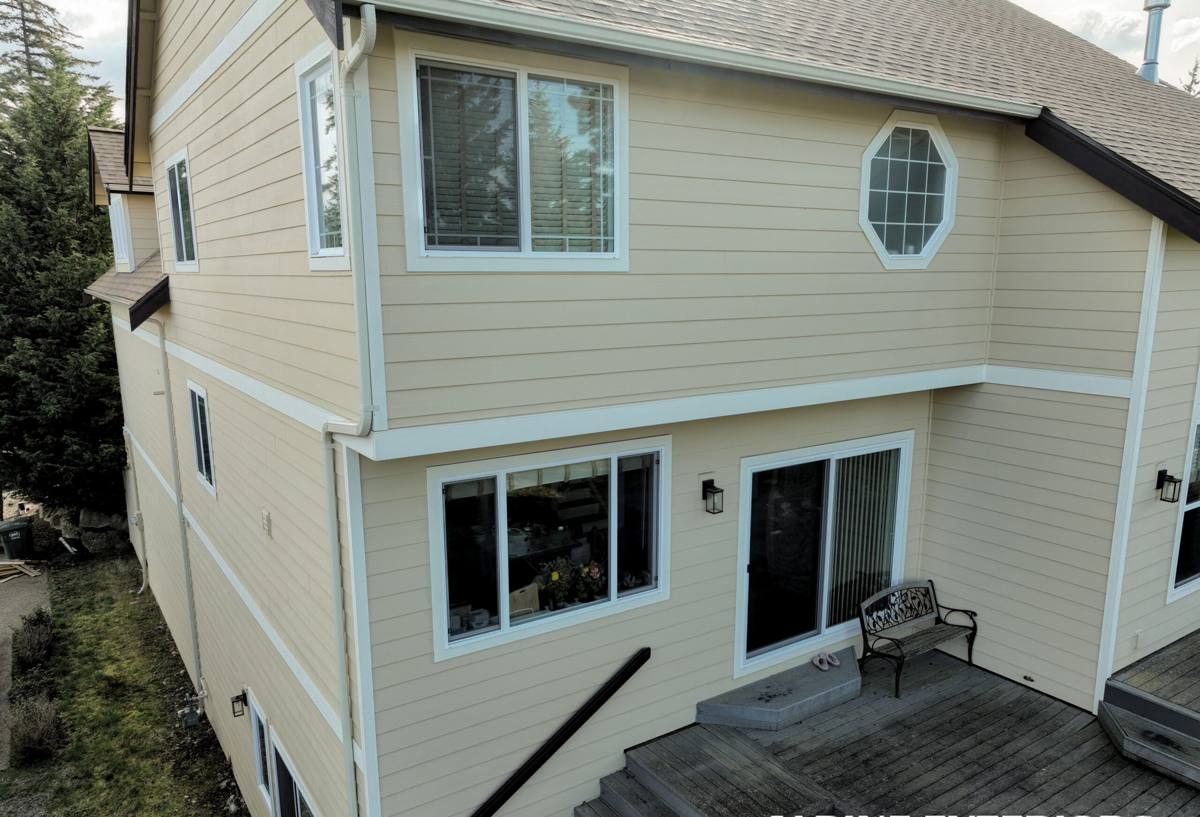
What Seminole's Climate Demands From a Deck
Before any material gets chosen or any post gets set, it helps to understand what's actually working against a deck here:
- UV exposure: Florida sun breaks down wood fibers and degrades cheaper composite formulations faster than in northern climates, leading to fading, graying, and surface checking.
- Wind-driven rain: Storms here rarely fall straight down. Rain gets pushed sideways into railings, fascia, and any exposed end-grain, which accelerates rot if boards aren't sealed or spaced correctly.
- Salt air: Even well inland from the immediate coastline, airborne salt accelerates corrosion on fasteners, brackets, and connectors that aren't rated for it.
- Humidity and moisture cycling: Boards swell and shrink repeatedly through Florida's wet and dry stretches, which is hard on fastening systems and finishes that aren't built to flex with the material.
- Hurricane-force wind loads: Any elevated structure needs framing and connections rated to hold together under sustained high wind, not just look sturdy on a calm day.
None of these are exotic problems — they're the standard operating conditions for outdoor construction anywhere in Pinellas County. A deck that ignores them is a deck that needs major repairs within a handful of years instead of lasting decades.
Choosing the Right Decking Material
There's no single "best" decking material — there's a best material for your budget, your maintenance appetite, and how the deck will actually be used. Here's how the common options stack up under Florida conditions:
| Material | Upfront Cost | Maintenance | Florida Climate Fit |
|---|---|---|---|
| Pressure-treated pine | Lowest | High — annual sealing recommended | Good if maintained; prone to cupping and splintering if neglected |
| Tropical hardwoods (e.g., ipe) | High | Moderate — periodic oiling for color, structurally low-maintenance | Excellent natural rot and insect resistance; dense and heavy |
| Capped composite | Mid-to-high | Low — occasional washing | Strong UV and moisture resistance when the cap is quality; avoid uncapped budget composites |
| PVC decking | High | Lowest | Fully moisture-proof, doesn't rot or splinter, holds color well in strong sun |
We're honest about the trade-offs rather than pushing whatever has the best margin. Pressure-treated wood is a perfectly reasonable choice if you're willing to reseal it on a schedule — the failures we see aren't the wood's fault, they're a maintenance gap. Uncapped or low-grade composite is where we get cautious, because the cheaper formulations can absorb moisture at cut ends and fade unevenly under sustained Florida UV, and once that starts there's no undoing it short of replacement. We'll walk through what each option actually costs to own over ten years, not just to install.
Railings and Fasteners Matter as Much as the Decking
A deck is only as good as what's holding it together. In a salt-air environment, standard zinc-coated screws and brackets corrode faster than the wood or composite around them, which is how you end up with streaking, staining, and eventually loose connections. We use stainless steel or coated fasteners rated for coastal exposure, and we specify structural hardware — joist hangers, post bases, hurricane ties — sized to current wind-load requirements rather than whatever's cheapest at the yard.
Structural Fundamentals: What a Correct Deck Build Involves
Footings and Post Setting
Florida's soil and water table mean footings need to be sized and set correctly for the load and the ground conditions on your specific lot, not just poured to a generic depth. Undersized or shallow footings are one of the most common causes of a deck that starts to rack or lean within a few years.
Ledger Attachment
Where a deck attaches to the house is the single most failure-prone connection on the whole structure if it's done wrong. It needs proper flashing to keep wind-driven rain from working its way behind the ledger board and into your home's framing — a mistake here doesn't just weaken the deck, it can cause hidden water damage to the house itself.
Joist Spacing and Spans
Joist spacing and allowable spans depend on the decking material you choose — composite and PVC generally need tighter joist spacing than solid wood to avoid flexing and bounce underfoot. Skipping this detail is how a deck ends up feeling springy within the first year.
Railings and Guards
Any elevated deck needs a railing system built to code height and baluster spacing, with posts anchored into the structural frame rather than just screwed to the rim joist. This is a common shortcut on lower-quality builds, and it's a safety issue, not a cosmetic one.
Permitting and Code in Pinellas County
Deck construction in St. Petersburg and the surrounding Pinellas County area is generally subject to local building permit and inspection requirements, particularly for anything attached to the house or elevated above a certain height. Requirements can vary based on your specific lot, structure size, and whether you're in a flood zone or near environmentally sensitive land, so we don't guess — we pull the correct permit for your project and build to the wind-load and structural standards that apply locally. Skipping permitting might save time upfront, but it can create real problems later: failed home inspections at resale, insurance claim denials, or a forced teardown if the structure doesn't meet code.
Our Process, Start to Finish
- On-site assessment: We walk your property, look at drainage, sun exposure, existing structure (if replacing a deck), and how you actually plan to use the space.
- Design and material selection: We talk through the material trade-offs above in the context of your budget and maintenance preference, and put together a layout that fits your yard.
- Permitting: We handle the permit application and coordinate required inspections so you don't have to chase paperwork.
- Site prep and footings: Layout, excavation, and footing work sized correctly for the load and soil conditions.
- Framing: Ledger attachment with proper flashing, joists set to the correct spacing for your decking material, structural hardware rated for coastal exposure.
- Decking, railings, and finish work: Board installation, railing system, stairs, and any trim or fascia detailing.
- Final walkthrough: We go over the finished deck with you, confirm everything passed inspection, and explain what maintenance schedule fits the material you chose.
Keeping Your Deck in Shape Season After Season
Even the best-built deck needs some ongoing attention in this climate. What that attention looks like depends heavily on the material:
- Rinse off salt residue, pollen, and organic buildup every few months, especially after storms.
- Check railing posts and stair stringers annually for any looseness — wood movement from humidity cycling can work fasteners loose over time.
- Reseal pressure-treated or hardwood decking on the schedule recommended for that specific wood species — don't wait until it's visibly gray and dry.
- Keep gutters and downspouts clear so runoff isn't dumping directly onto or under the deck structure.
- Inspect under the deck periodically for standing water, pest activity, or early signs of rot at the ledger and post bases.
- Trim back nearby vegetation so leaf litter and moisture don't sit trapped against the boards.
What a Deck Actually Costs
Every yard and every material choice changes the number, but the factors that move the price are consistent:
| Cost Factor | Why It Matters |
|---|---|
| Deck size and shape | More square footage and complex layouts (multiple levels, angles) mean more material and labor |
| Decking material | Pressure-treated is the low end; PVC and premium composite run higher |
| Height and footing depth | Elevated decks need more substantial framing and footings than ground-level ones |
| Railing style | Cable, glass, or composite railing systems cost more than standard baluster railing |
| Site accessibility | Tight lots or limited equipment access can add labor time |
| Permit and inspection scope | Larger or attached structures typically require more inspection steps |
We give a straight, itemized estimate before any work starts, so you know what you're paying for and why — no vague lump-sum numbers.
Why a Crew That Already Works Seminole Makes a Difference
A contractor who regularly builds in this part of Pinellas County isn't guessing about what materials and hardware hold up here — they've already seen what fails and what doesn't after a few Florida summers and storm seasons. That translates into fewer surprises during permitting, framing decisions that account for local wind and moisture conditions from the start, and a finished deck that's built for how this specific climate treats outdoor structures, not a generic national spec sheet.
If you're planning a new deck or replacing one that's showing its age, we're happy to come take a look and give you a straightforward, no-pressure estimate — just fill out the form below.