 St. Petersburg Siding
 Decks in Gulfport Take a Different Kind of Beating
Gulfport sits right on Boca Ciega Bay, and that waterfront location is exactly why decks here don't age like decks fifteen miles inland. A deck in Gulfport is dealing with salt-laden air moving off the bay almost every day, on top of the same Pinellas County sun and storm exposure every deck in the region gets. That combination is harder on fasteners, framing, and finishes than most homeowners expect, and it's the reason a deck that looks fine on the surface can be failing underneath.
We're a St. Petersburg-based siding and exterior crew, and deck replacement is one of the jobs we get called out for most often in Gulfport specifically because of that bay exposure. When we walk a Gulfport property, we're not just looking at the boards — we're checking the ledger connection, the fasteners, and the framing for the kind of corrosion and moisture damage that shows up faster this close to the water.
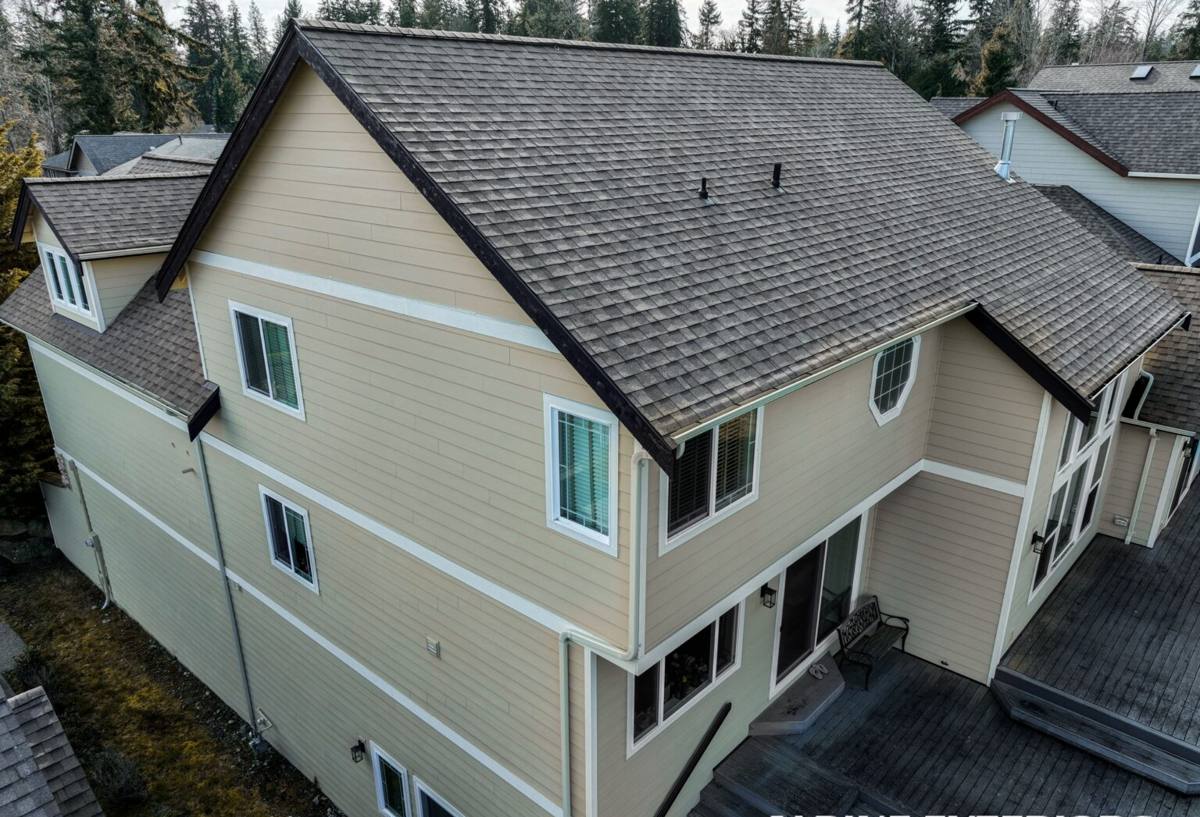
Why the Climate Matters More Here Than the Boards Do
Salt Air and Metal Fatigue
Standard fasteners and connectors corrode faster in a bayside environment like Gulfport than they do even a few miles away. Once a nail, screw, or joist hanger starts rusting, it loses grip strength long before the wood around it looks bad — which is how a deck can pass a casual glance and still have a weak structural connection.
Year-Round UV
Florida's sun doesn't take a season off. UV breaks down wood fibers and degrades sealants and finishes continuously, which means deck boards here dry out, gray, cup, and splinter faster than the same product would in a milder climate. Composite and PVC decking aren't immune either — UV exposure is a real factor in how those products fade and how their warranties are written.
Wind-Driven Rain and Hurricane Load
Pinellas County sees wind-driven rain that pushes moisture into joints, end grain, and ledger connections that a simple downpour wouldn't reach. And any deck attached to a home here has to be built to handle hurricane-force wind loads — that's not optional, it's a structural requirement that shapes how the ledger, posts, and connections are engineered.
What "Correct" Actually Means for a Gulfport Deck
A deck replacement isn't just pulling up old boards and screwing down new ones. The parts nobody sees are what determine whether the deck lasts five years or twenty-five in this environment.
- Proper ledger board flashing where the deck attaches to the house, so water can't work its way behind the siding or into the rim joist
- Corrosion-resistant, coastal-rated fasteners and joist hangers — not the standard hardware that's fine inland but fails early near the bay
- Hurricane straps and structural connectors sized for Florida Building Code wind loads, not just whatever came with a big-box framing kit
- Footings set to the depth and bearing capacity local code requires, especially important on the sandy, sometimes low-lying soil common in Gulfport
- Proper spacing and fastening pattern for whatever decking material is chosen, since manufacturer specs often assume standard conditions, not coastal ones
- Ventilation underneath the deck so moisture doesn't get trapped against framing
Skip any one of these and the deck may look complete for a while, but the failure shows up early — usually right where corrosion or trapped moisture had a head start.
Choosing a Decking Material for a Bayside Property
There's no single "best" decking material — it's a real trade-off between upfront cost, maintenance commitment, and how the material handles this specific climate. We walk every Gulfport homeowner through these trade-offs honestly rather than pushing one product.
| Material | Upfront Cost | Maintenance | Coastal Durability |
|---|---|---|---|
| Pressure-treated wood | Lowest | Annual sealing/staining recommended | Moderate — needs consistent upkeep to resist salt air and UV |
| Composite decking | Mid to high | Low — occasional washing | Good — resists rot, but check fade/heat ratings for FL sun |
| PVC/capped polymer | Highest | Lowest | Very good — fully synthetic, handles moisture well |
| Tropical hardwoods (e.g., ipe) | High | Periodic oiling to maintain color | Excellent structural durability, but sensitive to installation and fastener choice |
Our professional standard is that whatever material a homeowner picks, the fastener and framing package underneath it has to be upgraded for the bay environment — that's non-negotiable regardless of what's on top. We won't cut corners on the connectors just because the decking itself is a premium product; a great deck board over corroding hardware is still a deck that fails early.
Repair or Replace? Reading the Real Signs
Not every aging deck needs a full teardown, but a lot of decks in Gulfport get patched when they actually need replacing, because the visible damage is only part of the story.
Signs a Repair Might Be Enough
A few isolated cupped or splitting boards, surface graying with sound wood underneath, or a single loose railing baluster are typically repair-level issues if the framing and ledger connection are still solid.
Signs You're Looking at a Replacement
Soft or spongy spots when you walk the deck, rust staining bleeding out around fasteners, a ledger board that's separating from the house, visible sagging between joists, or a structure that's noticeably older than its fasteners were rated to last — these all point to replacement, because the problem is in the frame, not just the surface.
Our Deck Replacement Process
- On-site inspection. We check the decking, framing, ledger connection, footings, and hardware condition — not just what's visible from the top.
- Honest scope and material discussion. We explain what's failing, why, and walk through material options with real trade-offs — no upselling for the sake of it.
- Permitting. Deck replacement in Pinellas County and the City of Gulfport typically requires a permit, and elevated or waterfront-adjacent structures may involve additional review. We handle that process rather than leaving it to the homeowner.
- Demolition and disposal. Old decking, framing, and hardware are removed and hauled off — we don't leave debris behind for the homeowner to deal with.
- Structural rebuild. Ledger flashing, framing, hurricane connectors, and footings are installed or upgraded to current code before a single deck board goes down.
- Decking installation. Boards are installed per manufacturer spacing and fastening requirements, adjusted for our climate.
- Final walkthrough. We go over the finished deck with the homeowner, including what maintenance (if any) the chosen material needs going forward.
Permitting and Code Realities in Gulfport
Deck work that involves structural changes — which most full replacements do — generally isn't a job you can legally do without a permit in this area, and skipping that step can cause real problems at resale or with insurance if there's ever storm damage to assess. Because Gulfport is a bayside community, some properties also fall into flood zone considerations that affect how a deck can be attached or elevated relative to the home. We handle the permit process as part of the job rather than handing that burden to the homeowner, and we build to the wind-load and connection standards the Florida Building Code requires for this region — not the minimum standard that might pass in a less exposed part of the country.
Why a Local Gulfport Crew Makes a Real Difference
A contractor who mostly works inland can still build a technically sound deck, but they may not default to coastal-grade fasteners, may not know which inspectors or permit quirks apply in Gulfport specifically, and may not recognize early corrosion signs that are common here but rare elsewhere in the county. Working this area regularly means we've already seen how salt air, sun, and wind-driven rain interact with different materials and hardware choices over time — and we build accordingly from the start instead of learning it the hard way on someone's deck.
It also means faster response for inspections, punch-list items, or storm-related follow-up, since we're not driving in from across the region.
Keeping a New Deck in Good Shape
Whatever material is chosen, a little regular attention goes a long way in this climate.
- Rinse off salt residue and debris periodically, especially after storms
- Check fastener heads and connectors annually for early rust staining
- Reseal or stain wood decking on the schedule the product actually needs — don't stretch it out
- Keep gutters and downspouts near the deck clear so runoff isn't dumping extra water onto or under it
- Trim back vegetation that traps moisture against the deck surface or framing
- Address small issues (a loose board, a hairline crack) right away before they become structural
Ready to Talk About Your Gulfport Deck?
If your deck is showing its age, feels soft in spots, or you're just not sure whether it needs a repair or a full replacement, we're happy to take a look. We offer free, no-pressure estimates for Gulfport homeowners — just fill out the form below and we'll set up a time to come see it in person.