 St. Petersburg Siding
 Why Deck Replacement in Historic Kenwood Is Different
Historic Kenwood is one of St. Petersburg's older residential neighborhoods, built out mostly in the early-to-mid 20th century with a mix of bungalows, Craftsman-style homes, and Mediterranean Revival details. That matters when you're replacing a deck. These homes weren't built with modern deck framing in mind — the original structures were designed for porches, not the larger open decks and multi-level outdoor living spaces homeowners want today. When a deck on one of these homes needs replacing, the job usually isn't a simple board-for-board swap. It's a structural project that has to work with an older house while meeting current wind and load requirements.
We treat every Historic Kenwood deck replacement as its own project. The framing underneath, the way the deck ties into the house, and the finish materials all get evaluated against what the home actually needs, not a generic template.
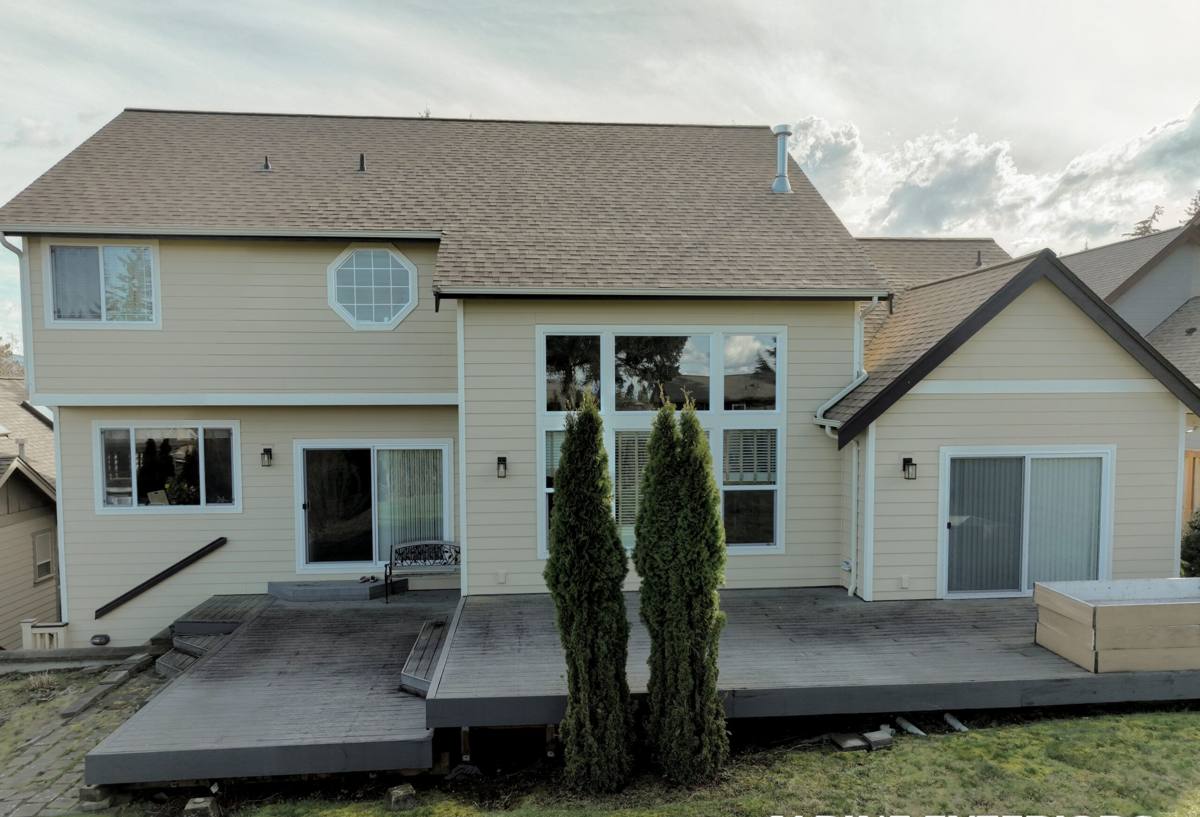
What Pinellas County's Climate Does to a Deck
St. Petersburg sits on a peninsula in Pinellas County, and that location is exactly what makes deck durability such a real issue here. A handful of conditions work against outdoor structures year-round:
- Intense, near-constant UV exposure — Florida sun breaks down wood fibers, dries out finishes, and fades and chalks composite and PVC surfaces faster than in most other parts of the country.
- Wind-driven rain — storms here don't just drop rain straight down; wind pushes moisture into every gap, seam, and fastener hole, which is where rot and corrosion start.
- Salt air — even a few miles from the water, airborne salt accelerates corrosion on fasteners, brackets, and any exposed metal hardware.
- Hurricane-force wind loads — decks need to be attached and framed to resist uplift and lateral load, not just support weight.
- Humidity and afternoon storms — Kenwood's mature tree canopy adds shade, which is nice for comfort but keeps deck surfaces damp longer after rain, encouraging mildew and slower drying.
Any one of these is manageable on its own. Combined, and repeated every year for decades, they're why so many older decks in this neighborhood are failing at the ledger board, the footings, or the fasteners well before the decking boards themselves look worn out.
The Hidden Problems Behind Older Kenwood Homes' Decks
Ledger Board Attachment
The ledger board — where the deck bolts to the house — is the single most important structural connection on most decks, and it's also the most common failure point on older homes. Many decks added to Kenwood homes over the decades were attached with methods that don't meet current standards: undersized or corroded lag bolts, no flashing, or attachment directly into old wood siding rather than solid framing. Water gets behind the ledger, the wood softens, and the connection weakens without any obvious sign from the outside.
Footings and Foundations
Pinellas County's sandy soil drains well, which is good, but older decks were often built on undersized footings, or footings set too shallow to stay stable over time. When we replace a deck, we check what's actually holding it up before deciding whether the existing footings can be reused or need to be replaced.
Framing Sized for a Different Era
Joist spacing and beam sizing on older additions frequently don't meet current load and wind requirements. This isn't a knock on the original builders — codes and expectations have changed. It does mean a proper replacement often involves resizing or adding structural members, not just refastening what's there.
Choosing Materials That Actually Hold Up Here
There's no single "best" decking material — every option is a tradeoff between upfront cost, maintenance, and how it handles Florida's sun and moisture. Here's how the common choices stack up for a Historic Kenwood application:
| Material | Upfront Cost | Maintenance | How It Handles This Climate |
|---|---|---|---|
| Pressure-treated pine | Lowest | Regular sealing/staining needed | Prone to warping and checking under intense UV if not maintained on schedule |
| Tropical hardwood (e.g., ipe) | High | Periodic oiling to maintain color | Very dense and durable; naturally resists rot and insects, but installation is unforgiving |
| Composite decking | Mid-to-high | Low — occasional cleaning | Handles moisture well; quality varies a lot by brand, and cheaper composites can fade or absorb heat |
| PVC/capped polymer | High | Lowest | Best moisture and fade resistance of the manufactured options; higher material cost |
For a historic-district home, we also weigh appearance — board width, color, and railing style that reads as appropriate for the house's era rather than looking like a modern addition bolted onto an old structure. Material choice is a conversation, not a default recommendation, and we'll walk through the real tradeoffs for your specific deck rather than push whatever's easiest to install.
Building It to Code — Permits, Attachment, and Wind Resistance
Deck replacement in St. Petersburg requires a permit, and for good reason: this is exactly the kind of structure that fails in a storm if it wasn't built to current wind provisions. A correct replacement includes:
- Proper ledger flashing so water is directed away from the house structure, not trapped against it
- Structural screws or through-bolts at the ledger connection, sized and spaced to current code, not just re-driven into the old holes
- Hurricane ties, joist hangers, and post-to-beam connectors rated for wind uplift
- Corrosion-resistant, coastal-rated fasteners and hardware throughout — standard hardware corrodes fast this close to salt air
- Footings sized to actual load requirements, not just matched to what was there before
We pull permits and coordinate inspections as part of the job. Skipping that step might save a little time up front, but it leaves the homeowner holding the liability if the deck fails inspection later, during a sale, or worse, during a storm.
Our Deck Replacement Process
- On-site assessment. We inspect the existing deck, ledger connection, framing, and footings to understand what's actually failing and why.
- Honest scope and material recommendation. We tell you what needs full replacement versus what can be reused, and walk through material options that fit your budget and the look of the house.
- Permitting. We handle the permit application and coordinate required inspections with the City of St. Petersburg.
- Demolition and disposal. The old deck comes out cleanly, with attention to protecting the home's siding, foundation plantings, and surrounding grade.
- Framing and structural work. New or reinforced footings, framing sized to code, and a properly flashed and fastened ledger connection.
- Decking, railing, and finish work. Installed to manufacturer specifications for whatever material you've chosen, with attention to fastener pattern and spacing for expansion and drainage.
- Final walkthrough and inspection. We confirm the deck passes inspection and walk the finished project with you.
Preserving the Historic Character While Modernizing the Structure
A deck on a Historic Kenwood home doesn't have to look modern to be structurally current. Railing profiles, post sizing, and board orientation can all be selected to complement the house's original architecture — whether that's a Craftsman bungalow with simple, substantial railings or a Mediterranean Revival home where a cleaner, more formal look fits better. The goal is a deck that looks like it belongs on the house, while everything you can't see — the framing, the connections, the fasteners — is built to hold up against Gulf Coast weather for decades.
Maintaining Your New Deck in a Coastal Climate
Even a well-built deck needs some upkeep to get its full lifespan out of St. Petersburg's climate. A basic seasonal routine goes a long way:
- Rinse off salt residue and organic debris (leaves, pollen, tree sap) every few weeks, more often under heavy tree canopy
- Inspect fasteners and hardware for corrosion or loosening once or twice a year
- Reseal or restain wood decking on the schedule recommended for the specific product — Florida sun shortens the interval compared to milder climates
- Check that gaps between boards stay clear of debris so water keeps draining properly
- After any major storm, walk the deck and check railings, stairs, and the ledger area for movement or new gaps
- Trim back nearby vegetation so airflow can help the deck surface dry between rains
Why Hire a Crew That Already Works in Historic Kenwood
Working in an established neighborhood like Historic Kenwood means dealing with older framing conditions, tight lot layouts, mature landscaping to protect during construction, and homes where the original structure wasn't built with today's deck sizes in mind. A crew that's done this work in the neighborhood before knows what to check for before demolition even starts, rather than discovering surprises mid-project. That experience shows up in fewer change orders, a smoother permit process, and a finished deck that actually matches how the house was built — not a generic install.
If your deck is showing soft spots, wobbly railings, or you're just planning ahead before it becomes a safety issue, we're happy to take a look. Fill out the form below for a free, no-pressure estimate — we'll assess what's really going on with your deck and give you a straight answer on what it needs.