 St. Petersburg Siding
 Asphalt Shingle Roofing for Disston Heights Homes
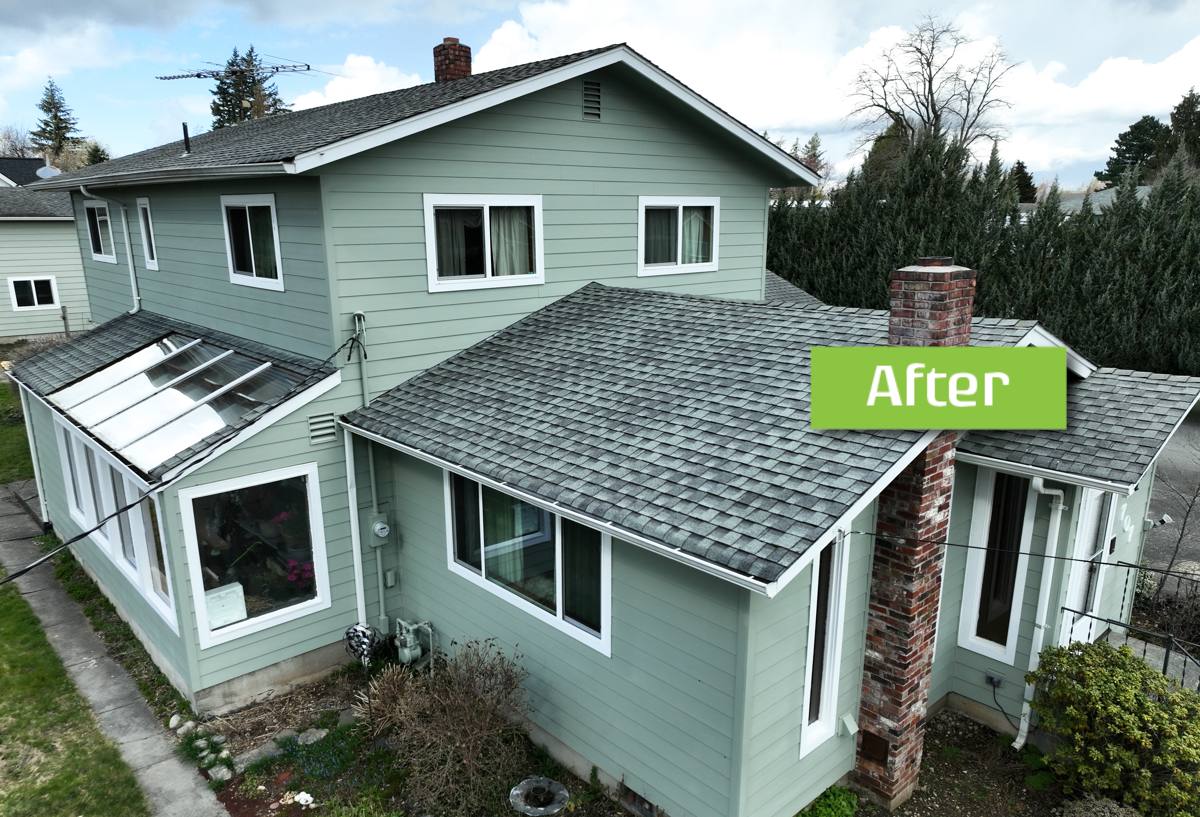
Disston Heights is one of the older, established residential pockets inside St. Petersburg, and that shows in the roofs. Many homes here were built decades before current Florida Building Code wind and underlayment requirements existed, which means a lot of the shingle roofs in this neighborhood are either past due for replacement or were re-roofed at some point without much attention to the details that actually matter in a Pinellas County climate. We install and repair asphalt shingle roofing for homeowners in Disston Heights and treat every job the same way: as a system that has to survive Florida weather, not just look good on install day.
Asphalt shingles remain the most common roofing material in this part of St. Petersburg for good reason — reasonable upfront cost, wide style and color selection, and straightforward repairs when something does go wrong. But "asphalt shingle roof" covers a huge range of quality, from a rushed nail-gun job to a properly flashed, ventilated, wind-rated system. The difference between those two shows up the first time a named storm rolls through Tampa Bay.
What Disston Heights Roofs Are Actually Up Against
St. Petersburg sits in a hurricane-exposed part of the Gulf Coast, and Disston Heights doesn't get any special shelter from that just because it's inland of the beaches. The roofing challenges here are consistent year after year:
- Hurricane-force wind gusts that test every nail, shingle edge, and ridge cap during named storms and the seasonal thunderstorms in between
- Wind-driven rain that gets pushed sideways and up under shingle edges, exposing weak underlayment and poor flashing details that a straight-down rain would never find
- Intense, near-constant UV exposure that breaks down the asphalt binders in shingles faster than in most of the country, shortening their effective service life
- Salt air carried inland from Tampa Bay and the Gulf, which accelerates corrosion on exposed metal fasteners, flashing, and roof vents
- Heat cycling — roof surfaces routinely swing from intense midday sun to sudden afternoon downpours, which stresses shingle seals and sealant strips
None of that is unique to Disston Heights specifically, but it's the reality every roof in this part of Pinellas County has to be built for. A shingle roof installed to a generic national standard, without accounting for coastal Florida conditions, tends to fail early — lifted shingles, granule loss, leaks at penetrations, and shortened lifespan.
Signs a Disston Heights Roof Needs Attention
Most shingle roof failures don't happen all at once — they build up over months or years. Homeowners in this neighborhood should watch for:
- Shingles that are curling, cupping, or have lost their granules down to bare asphalt
- Cracked or missing shingles, especially after a windy afternoon storm
- Soft spots or sagging when walked on (a sign of deck damage underneath)
- Granules collecting in gutters or at downspout discharge points
- Dark streaking, which is usually algae rather than structural damage but worth noting
- Daylight visible through the attic roof deck, or musty attic odors
- Interior ceiling stains, especially near chimneys, vent pipes, or valleys
Any one of these on its own might just mean a repair. Several together, or a roof that's already 18-20+ years old, usually means it's time to talk about replacement instead of patching.
What a Properly Installed Shingle Roof Requires Here
Wind-Rated Materials and Fastening
Florida Building Code sets minimum wind-uplift and fastening standards for a reason, and Pinellas County enforces them at permit and inspection. We install shingles rated for the wind speeds this area actually sees, use the correct nailing pattern (not staples, not a reduced nail count to save time), and follow manufacturer specs for starter strip and ridge cap installation — the two areas most often skipped on rushed jobs and the two areas that fail first in high wind.
Underlayment That Does the Real Waterproofing
Shingles are the visible layer, but the underlayment is what actually keeps a house dry when wind-driven rain gets under a shingle edge — which it will, eventually, in a coastal storm. We use synthetic or self-adhering underlayment as appropriate to the roof design, with extra protection at eaves, valleys, and any area prone to ice-dam-style water backup (less of a concern here than up north, but wind-driven rain creates a similar effect).
Flashing Details
Most shingle roof leaks in this climate don't come from the shingle field — they come from flashing: chimneys, sidewall transitions, roof-to-wall connections, and pipe boots. We replace flashing rather than reusing old, corroded pieces, and we pay particular attention to pipe boot seals, since the rubber gaskets on those are usually the first thing to crack under intense Florida UV.
Attic Ventilation
A shingle roof without balanced intake and exhaust ventilation runs hotter, which shortens shingle life and can void manufacturer warranties. On many older Disston Heights homes, ventilation was never properly addressed during previous re-roofs. We check and correct this as part of any full replacement.
Comparing Shingle Options for This Climate
| Shingle Type | Wind Performance | UV/Heat Durability | Typical Lifespan Locally | Notes |
|---|---|---|---|---|
| 3-Tab Shingles | Lower wind rating, more prone to edge lift | Thinner mat, degrades faster under intense sun | 12-18 years | Lowest upfront cost; least suited to coastal wind exposure |
| Architectural (Laminate) Shingles | Higher wind rating, better edge adhesion | Heavier mat holds up better to UV and heat cycling | 20-25 years | Standard recommendation for most Disston Heights homes |
| Impact-Resistant Architectural | Highest wind and impact rating available in shingle form | Same durable mat, added impact layer | 20-25+ years | May qualify for insurance premium discounts; worth asking your carrier |
We'll walk through which option fits your budget and your home's specific exposure — a roof with more open sky and wind exposure benefits more from the upgrade than one that's more sheltered.
Repair vs. Replace: An Honest Look
Not every roofing call in Disston Heights ends in a full replacement, and we don't push one when it isn't warranted. Generally:
- Repair makes sense when the damage is localized (a handful of shingles, one flashing point, one storm-related area) and the rest of the roof is sound and under 15 years old
- Replacement makes sense when the roof is nearing or past its expected lifespan, has widespread granule loss, multiple past repairs, or deck damage found during inspection
- Insurance involvement is worth discussing after significant wind or storm events — we can document damage clearly, but the claim itself is between you and your carrier
We'll give you a straight answer on which category your roof falls into, including telling you when a repair is the right call even if a replacement would be the bigger job for us.
Our Process for Disston Heights Roofing Jobs
- Inspection. We get on the roof (not just a ground-level look) and check the deck, flashing, ventilation, and shingle condition, then walk you through what we found.
- Written scope and estimate. You get a clear breakdown of materials, labor, and what's included — no vague allowances.
- Permitting. Full replacements go through the City of St. Petersburg/Pinellas County permitting process; we handle that paperwork and schedule required inspections.
- Tear-off and deck inspection. For replacements, we remove old material down to the deck and address any rot or damage found before anything new goes down — not over the top of it.
- Installation. Underlayment, flashing, ventilation, and shingles installed to code and manufacturer spec, with the wind-fastening details this region requires.
- Final walkthrough and cleanup. We check the finished roof with you and make sure the property is clear of debris and nails before we consider the job done.
Why It Matters to Hire a Crew That Already Works This Neighborhood
A crew that regularly works in St. Petersburg and Pinellas County knows the local permitting process, the wind and flashing standards that actually get enforced at inspection, and the failure patterns specific to homes here — older decking, prior repair shortcuts, and the coastal wind and salt exposure that out-of-town or inexperienced crews often underestimate. That local familiarity shows up in fewer surprises during the job and a roof that's built for what Disston Heights weather will actually throw at it, not a generic installation.
Quick Reference: Before You Call a Roofer
- Note the approximate age of your current roof, if known
- Take photos of any visible damage, staining, or missing shingles you can safely see from the ground
- Check your attic (if accessible) for daylight, staining, or musty odors
- Have your insurance policy info handy if the concern is storm-related
- Ask any contractor for proof of licensing and insurance before work begins
If your Disston Heights home is due for a roof inspection, a repair, or a full replacement, we're happy to take a look and give you a straightforward, no-pressure estimate. Use the form below to get started.