 St. Petersburg Siding
 Why Disston Heights Roofs Wear Out on Their Own Schedule
Disston Heights is one of the older, established neighborhoods in St. Petersburg, and that history shows up on the roofs. A lot of homes here were built decades ago, which means many are on their second or third roof already, and some are overdue. Even where a roof looks fine from the street, the materials underneath — decking, underlayment, flashing — may be well past their useful life. Roof replacement in this neighborhood isn't just about swapping old shingles for new ones; it's about correcting whatever the original build or a past repair got wrong, and building a roof that's actually matched to what St. Petersburg weather does to it year after year.
We work on roofs across Pinellas County, and Disston Heights homes tend to share a few things in common: mature tree canopy that drops debris and holds moisture on the roof surface, older attic ventilation that was never upgraded, and roof lines that have been patched piecemeal over the years instead of replaced properly. None of that is a knock on the neighborhood — it's just what happens to roofs over 40, 50, or 60 years in a hot, humid, storm-prone climate. The fix is a full replacement done correctly, not another patch.
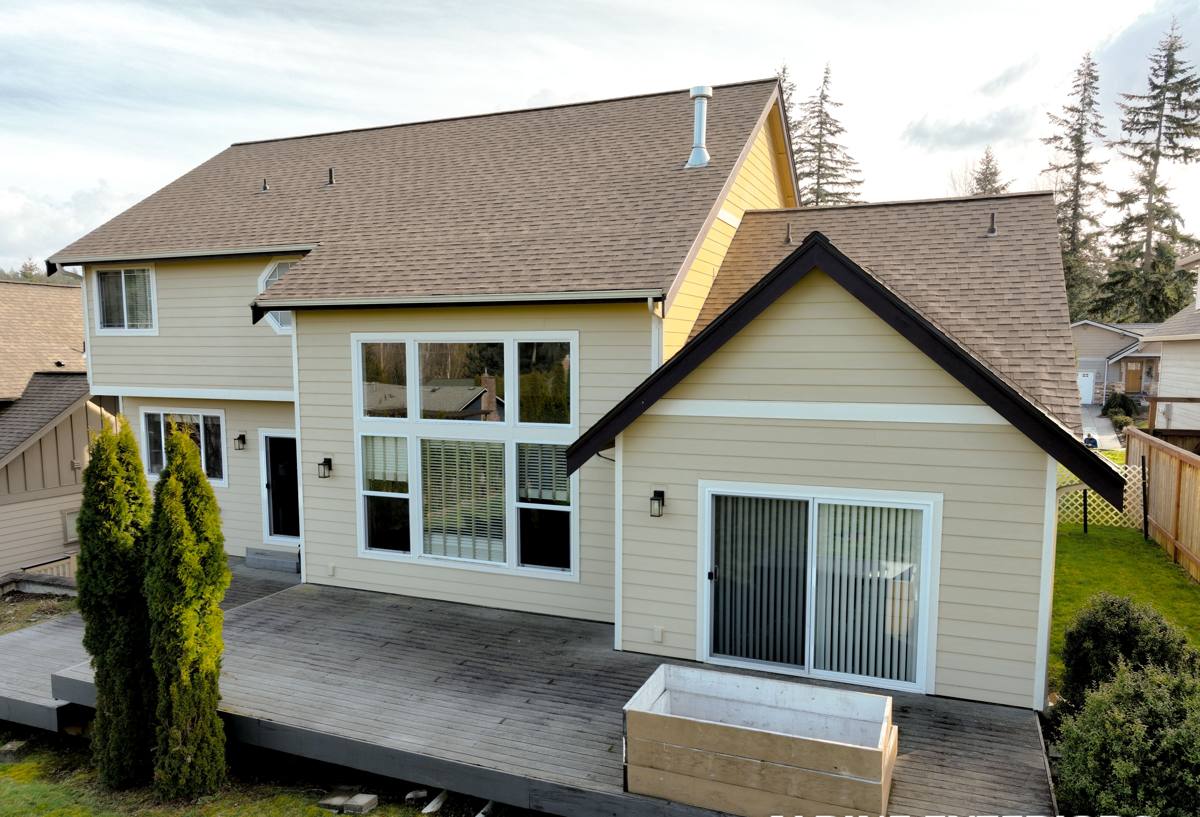
What Pinellas County Climate Actually Does to a Roof
St. Petersburg sits on a peninsula, and that geography is exactly why roofs here fail differently than roofs in drier, cooler parts of the country. Four things do most of the damage:
- Hurricane-force winds: Even when a storm doesn't make direct landfall nearby, tropical systems and seasonal squalls send sustained wind and gusts strong enough to lift poorly fastened shingles or work flashing loose over time.
- Intense, year-round UV exposure: Florida sun is harder on roofing materials than sun in most of the country. UV breaks down asphalt shingle granules and dries out sealants faster, which is why a shingle roof rated for 25-30 years elsewhere often shows real wear here well before that mark.
- Wind-driven rain: It's not just how much rain falls — it's the angle it comes in at during a squall or storm. Wind-driven rain finds gaps in flashing, nail penetrations, and aging underlayment that would never leak in a calm, straight-down rain.
- Salt air: Being close to the water means airborne salt accelerates corrosion on exposed metal — nails, flashing, vents, and fasteners — even at properties that aren't directly on the coast.
Individually, any one of these would age a roof faster than average. Together, they're the reason roof replacement in this part of Pinellas County has to account for more than just "which shingle looks good."
Signs a Disston Heights Roof Is Due for Replacement
Not every roof problem means a full replacement — but a lot of the visible warning signs on older Disston Heights homes point that direction once you look closely. Worth checking for:
- Shingles that are curling, cupping, or losing granules in patches (you'll often see granule buildup in gutters)
- Soft spots or noticeable give when walking the roof, which usually means decking damage underneath
- Daylight visible through the attic decking, or water stains on attic rafters and insulation
- Rusted, lifted, or missing flashing around chimneys, vent stacks, and roof-to-wall transitions
- Ceiling stains or peeling paint on interior walls near the roofline, especially after a storm
- A roof that's already had multiple patch repairs in different spots over the years
- An attic that runs noticeably hot, suggesting ventilation was never properly installed or has failed
If a roof is showing two or three of these at once, patching is usually a short-term answer to a problem that's already spread across the whole roof system.
What a Correct Roof Replacement Actually Involves
Full Tear-Off, Not Layering
Florida building code limits how many layers of shingles a roof can carry, and for good reason: layering hides problems instead of fixing them. A proper replacement means stripping the roof down to bare decking so every inch can actually be inspected.
Decking Inspection and Repair
Once the old roofing is off, the decking gets checked board by board. Any wood that's soft, delaminated, or water-damaged gets replaced before anything new goes down — installing new roofing over compromised decking just guarantees an early failure.
Underlayment
This is the roof's real waterproof layer, and it matters more in a wind-driven-rain climate than almost anywhere else. A synthetic or self-adhering underlayment, installed with proper overlap and sealed penetrations, is what keeps a roof dry when rain is coming in sideways during a storm.
Flashing
Every place the roof meets something else — chimneys, walls, vent pipes, valleys — is a potential leak point. Flashing has to be replaced, not reused, and installed so water sheds away from every transition rather than pooling or wicking underneath.
Fastening for Wind
How shingles or panels are fastened matters as much as what they're made of. Correct nail pattern, placement, and count are what actually determine wind performance in a hurricane-prone area — this is also where a lot of older or rushed roofs fall short.
Attic Ventilation
A hot, poorly ventilated attic shortens the life of any roof from underneath, while also driving up cooling costs. Replacement is the right time to correct intake and exhaust ventilation, which is frequently missing or undersized on older homes in this neighborhood.
Comparing Roofing Materials for a Disston Heights Home
There's no single "best" material for every house — it depends on the roof's pitch, the home's structure, budget, and how long the homeowner plans to stay in the house. Here's an honest comparison of the options we're most often asked about:
| Material | Typical Lifespan Here | Wind Performance | Maintenance | Notes for This Climate |
|---|---|---|---|---|
| Asphalt shingle (architectural) | 18-25 years | Good, when properly fastened and rated | Low | Most common and most affordable; UV and heat shorten lifespan versus cooler climates |
| Metal roofing | 40-50+ years | Excellent | Low | Higher upfront cost; handles wind and heat well; coastal-grade fasteners matter for salt air |
| Tile (concrete or clay) | 40-50+ years | Very good, if underlayment and fastening are correct | Moderate | Heavy — requires the structure to support it; underlayment failure is the usual weak point, not the tile itself |
We don't push one material on every home. We'll tell you honestly what fits your roof structure, your budget, and how long you plan to own the house — including the maintenance and warranty trade-offs of each option, not just the sticker price.
How Our Roof Replacement Process Works
- On-site inspection: We walk the roof and attic, check decking condition, ventilation, flashing, and document what we find.
- Written estimate: A clear, itemized quote — material options, scope of work, and timeline — with no pressure to decide on the spot.
- Permitting: Roof replacement in St. Petersburg requires a permit and inspection. We handle the paperwork so it's done correctly and legally.
- Material delivery and staging: We schedule delivery and protect landscaping and driveways before work starts.
- Tear-off day: Old roofing comes off, decking is inspected and repaired as needed, and the roof is dried in with underlayment the same day whenever possible.
- Installation: New flashing, ventilation, and roofing material go on to code and manufacturer specification.
- Cleanup and final inspection: Job site cleared, magnetic sweep for stray nails, and the roof is inspected before sign-off.
Permits, Codes, and Wind Mitigation Considerations
Pinellas County and the City of St. Petersburg both enforce Florida's building code requirements for roof replacement, which are stricter on wind resistance and fastening than in most states — a direct response to the region's hurricane exposure. A licensed crew pulls the permit, schedules the required inspections, and installs to the current code, not whatever standard was in place when the house was originally built.
It's also worth asking your insurance carrier about a wind mitigation inspection after a full roof replacement. A new roof, correctly installed and documented, can sometimes qualify a home for lower windstorm insurance premiums — but that depends on your policy and carrier, so it's a conversation to have directly with your insurance agent once the work is done.
What Drives the Cost of a Roof Replacement
Every roof is different, so we won't quote a number until we've actually seen yours. But these are the factors that most affect the price on a typical Disston Heights home:
| Factor | Why It Matters |
|---|---|
| Roof size and pitch | More square footage and steeper pitches mean more material and labor time |
| Material choice | Asphalt shingle, metal, and tile carry different material and labor costs |
| Number of layers to remove | Tearing off multiple existing layers adds labor and disposal cost |
| Decking repair needed | Rotten or water-damaged decking has to be replaced before new roofing goes on |
| Ventilation upgrades | Adding or correcting intake/exhaust vents adds material and labor but improves roof life |
| Roof complexity | Valleys, dormers, chimneys, and skylights all add flashing work and labor time |
A quick pre-estimate checklist that helps us give you a more accurate number on the first visit:
- Roughly how old the current roof is, if known
- Whether you've had any active leaks or interior water stains
- Whether the attic has ever been inspected for ventilation or moisture
- Any material preference (or openness to recommendations)
- Whether you plan to file an insurance claim related to storm damage
Why It Matters That We Already Work in Disston Heights
A crew that's worked roofs throughout this neighborhood and the wider St. Petersburg area already knows the common roof ages, the typical decking issues on homes from certain eras, and how local permitting works — that's fewer surprises mid-project. It also means we're not guessing at how Pinellas County's climate treats a roof; we're building every replacement to hold up against the same UV exposure, wind-driven rain, hurricane season, and salt air that we see affecting roofs across this area every year. A roof replacement is a long-term investment in the home — it deserves a crew that treats it that way, with a straight answer about what your roof actually needs instead of an upsell.
If your roof is showing its age, or you just want an honest opinion on how much life it has left, we're glad to take a look. Fill out the form below for a free, no-pressure estimate — we'll walk the roof, explain what we find in plain terms, and give you options instead of a sales pitch.