 St. Petersburg Siding
 Storm Damage Roof Repair for Disston Heights Homes
Disston Heights sits in the middle of St. Petersburg, far enough from the immediate waterfront that some homeowners assume their roofs are spared the worst of what Pinellas County weather throws around. That's only partly true. Inland neighborhoods still take direct hits from hurricane-force wind gusts, tropical downpours that come in sideways, and months of unrelenting Florida sun. The roofs here age differently than a beachfront roof, but they age just as hard — and storm damage on an inland roof is just as likely to be missed until it becomes a ceiling stain or a mold problem.
This page is about one thing: what storm damage roof repair actually involves for homes in this part of St. Petersburg, and what a homeowner should expect from a contractor who does the work correctly.
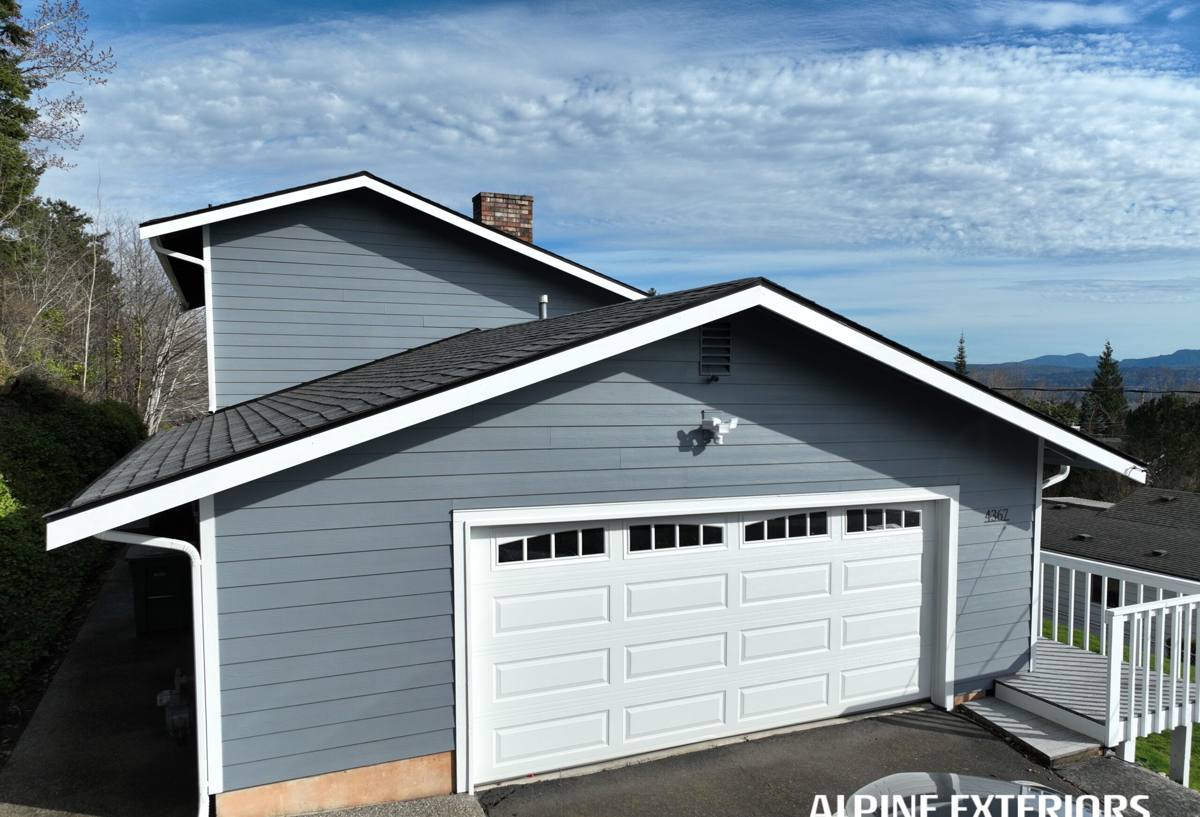
What Disston Heights Roofs Are Up Against
The housing stock in this area spans decades — post-war bungalows, mid-century ranch homes, and newer infill construction sit block by block. Roof age and roof type vary a lot from one house to the next, which matters because storm damage shows up differently depending on what's on top of the house and how old it is.
The climate factors that matter most here
- Hurricane-force wind: Even when a storm's eyewall stays offshore, tropical-storm and hurricane-force gusts reach well inland across Pinellas County, lifting shingle tabs, prying at ridge caps, and stressing flashing.
- Wind-driven rain: Rain that comes in nearly horizontal finds every gap a straight-down rain never would — old pipe boots, lifted shingle edges, and hairline cracks in flashing.
- Year-round intense UV: Florida sun bakes asphalt shingles and dries out sealants faster than in most of the country, so a roof that "looks fine" from the ground may already have brittle, storm-vulnerable materials.
- Salt air: Even a few miles inland, coastal air carries enough salt to accelerate corrosion on exposed metal fasteners, flashing, and vent components over time.
None of these factors act alone. A roof that's already UV-brittle takes wind damage more easily; a roof with corroded fasteners loses its grip in a storm sooner than one with sound hardware. That's why storm damage repair in this climate isn't just "patch what tore loose" — it has to account for the condition of everything around the damage, too.
How Storm Damage Actually Shows Up
Homeowners often expect storm damage to be obvious — missing shingles scattered across the lawn, a visible hole. Sometimes it is. More often, especially after a fast-moving storm that didn't make headlines, the damage is quieter and easier to miss.
| Visible sign | What it usually means |
|---|---|
| Granules collecting in gutters or downspouts | Wind and rain impact stripping the protective layer off asphalt shingles |
| Lifted or curled shingle edges | Wind got underneath the shingle and broke or weakened the seal |
| Ceiling stains after a storm, even faint ones | Water intrusion at a flashing point, vent boot, or damaged shingle |
| Missing or cracked ridge cap pieces | Direct wind uplift at the roof's highest, most exposed line |
| Rust streaks near vents or metal flashing | Salt-air corrosion accelerating fastener or flashing failure |
| Soft spots underfoot near valleys or penetrations | Sustained moisture intrusion, often from an older or slower leak |
The tricky part is that several of these signs don't announce themselves until a second or third storm finishes what the first one started. That's why we treat any named storm or severe wind event as a reason to actually inspect a Disston Heights roof, not just wait for a leak to appear.
What a Correct Storm Damage Roof Repair Involves
A repair that only addresses what's visible from the ground or from a quick walk of the roof deck isn't a complete repair — it's a guess. Here's what we consider the minimum for doing this job right.
1. A full-roof inspection, not a spot check
Storm damage rarely respects boundaries. We look at the whole roof plane — not just the area a homeowner points to — because wind uplift at one ridge often means stress at the opposite slope too.
2. Checking the layers under the shingles
Shingles are the visible layer, but underlayment, decking, and flashing are what actually keep water out once a shingle is compromised. If wind-driven rain got past the surface layer, we check for saturation in the decking below before calling a repair complete.
3. Matching materials, not improvising
Repairs done with mismatched shingles, the wrong fastener type, or generic sealant instead of proper flashing work tend to fail again at the next storm. We match materials and installation methods to what the rest of the roof calls for.
4. Addressing the cause, not just the symptom
If a pipe boot failed because the rubber gasket dried out under UV exposure, replacing just the shingles around it and leaving the same boot in place means the same failure returns. Correct storm repair fixes the actual failure point.
5. Documentation for insurance
Whether or not a homeowner intends to file a claim, we document damage with photos and a written scope before repair work begins. This protects the homeowner if a claim becomes necessary later and gives an honest record of what storm activity actually caused versus pre-existing wear.
Our Process for Disston Heights Homeowners
- Initial contact and scheduling: We ask what the homeowner noticed — timing relative to a storm, location of any leak, visible debris — before we ever get on the roof.
- On-site inspection: We walk the roof (weather permitting) and inspect from the interior for signs of moisture intrusion, including attic spaces where accessible.
- Written scope and honest assessment: We explain what's storm-related damage, what's pre-existing wear accelerated by UV and age, and what we'd recommend either way.
- Repair or replacement recommendation: Most storm damage is repairable. We're direct when a roof's overall condition means a repair is a short-term fix rather than a lasting one.
- The work itself: Matched materials, correct flashing and fastening technique, and a cleanup that doesn't leave debris or stray nails in the yard.
- Follow-up: We stand behind the repair and want to know if anything reappears after the next heavy rain.
Questions worth asking before you hire anyone for this job
- Will you inspect the full roof, or just the area I point out?
- Will I get photos and a written scope of the damage before work starts?
- What specific repair are you proposing, and why — not just "we'll patch it"?
- Are you checking underlayment and decking condition, or only the shingle surface?
- Do you carry insurance and are you licensed to work in Pinellas County?
Why Local Experience in This Neighborhood Matters
A crew that regularly works Disston Heights and the surrounding St. Petersburg neighborhoods has a feel for the mix of roof ages and construction styles here — the difference between a 1950s bungalow roofline and a newer build, and how each handles wind uplift and flashing differently. That familiarity means fewer surprises during inspection and a repair plan that fits the actual house instead of a generic template.
It also means faster response after a storm moves through the area. When wind and rain hit a wide swath of Pinellas County at once, contractors who don't already have a presence here end up spread thin across the whole region. Being established locally means Disston Heights isn't an afterthought on the schedule.
What Homeowners Can Do Between Storms
Storm damage repair is reactive by nature, but a little attention between weather events reduces how much damage any single storm can do.
- Have your roof looked at after any named storm or sustained high-wind event, even if you don't see obvious damage.
- Keep gutters clear so wind-driven rain has somewhere to go instead of backing up under roof edges.
- Watch for granule buildup in gutters as an early sign of shingle wear from sun and wind combined.
- Address small leaks immediately — a stain the size of a dinner plate today can mean saturated decking within a season.
- Ask about the condition of flashing and pipe boots specifically; these small components fail well before the shingles around them do.
Getting an Honest Assessment
Not every storm mark on a roof needs a full replacement, and not every roof that "looks fine" is actually storm-ready. The only way to know which situation applies to your Disston Heights home is a real inspection from someone who'll tell you the truth either way.
If your roof took wind, rain, or debris impact recently — or you just want to know where it stands before the next storm rolls through St. Petersburg — we're happy to take a look. Reach out for a free, no-pressure estimate using the form below.