 St. Petersburg Siding
 Roofing in Euclid-St. Paul Isn't a Generic Job
Euclid-St. Paul sits in one of St. Petersburg's older, established residential pockets, with a mix of mid-century bungalows, ranch-style homes, and updated additions built over several decades. That age range matters when it comes to roofing. A roof deck from an earlier building era behaves differently under a shingle system than one built to current Florida Building Code, and a contractor who treats every St. Petersburg roof the same way will miss details that matter here specifically: older plywood or board decking, additions with mismatched roof pitches, and homes that have been through multiple re-roofs without anyone checking what's actually underneath the old shingles.
We're not writing a generic "asphalt shingles are great" page. This is about what an asphalt shingle roof needs to actually perform on a Euclid-St. Paul home in Pinellas County, given the specific punishment this area's climate delivers year after year.
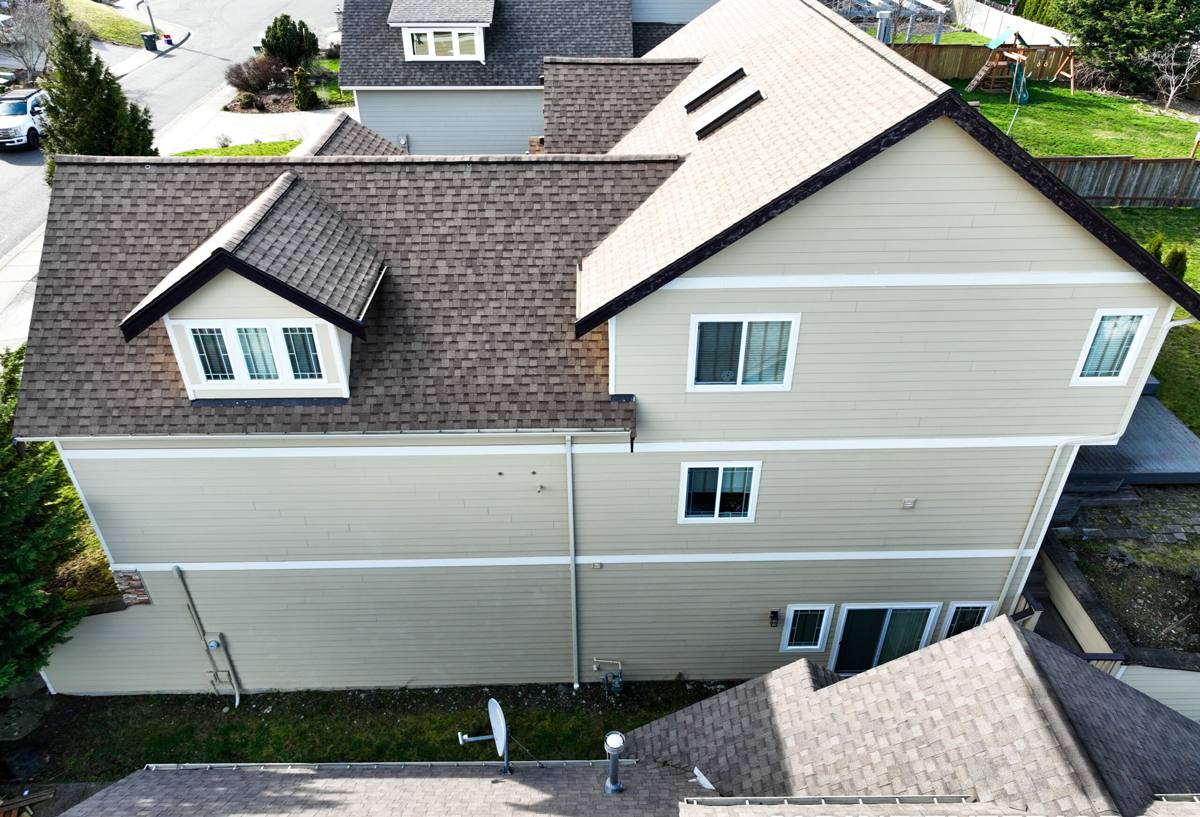
What the Climate Actually Does to a Roof Here
St. Petersburg homeowners deal with a combination of stressors that few other parts of the country see all at once, and a roof either accounts for them or it doesn't:
- Hurricane-force winds: Even a storm that doesn't make direct landfall can push sustained gusts strong enough to lift poorly fastened shingles or work loose ridge caps over time.
- Intense, year-round UV exposure: Florida's sun angle and near-constant daylight hours accelerate the breakdown of asphalt oils in shingles faster than in most other states, which is why a shingle rated for 25-30 years elsewhere can show granule loss and brittleness sooner here if it wasn't installed and ventilated correctly.
- Wind-driven rain: It's not just about keeping water out when it falls straight down. Wind-driven rain gets pushed sideways and upward under shingle edges, ridge lines, and around penetrations, which is why underlayment and flashing detail matter as much as the shingles themselves.
- Salt air: Being close enough to Tampa Bay and the Gulf means airborne salt accelerates corrosion on exposed metal — nails, flashing, vent stacks, and fasteners — long before the shingles themselves wear out.
Any one of these on its own is manageable. All four hitting the same roof, every year, is what separates a roof that lasts its full service life from one that starts failing at the edges after eight or ten years.
What a Correctly Installed Shingle Roof Requires
The Roof Deck
Before a single shingle goes down, the deck underneath has to be sound. On older Euclid-St. Paul homes, this is where problems hide — soft spots from slow leaks, delaminating plywood, or spaced board decking from an earlier era that wasn't designed for modern shingle systems. Skipping deck inspection and repair is the single most common shortcut that leads to early roof failure, because no shingle or underlayment can compensate for a deck that flexes or holds moisture.
Underlayment
In a wind-driven rain climate, underlayment is the actual waterproofing layer — the shingles are the first line of defense, but underlayment is what keeps the house dry if wind pushes water past a shingle edge. Synthetic underlayment or self-adhering membrane in vulnerable areas (valleys, eaves, around penetrations) does more work here than in drier climates.
Fastening
Nail placement, nail count, and nail type all affect wind resistance. Florida Building Code specifies enhanced nailing patterns for high-wind zones for good reason — under-nailed or improperly placed fasteners are the most common cause of shingles lifting or blowing off in a storm, even when the shingle product itself is rated for high wind.
Flashing and Penetrations
Every chimney, vent stack, skylight, and wall transition is a place where water wants to get in. Flashing has to be properly stepped, sealed, and integrated with the underlayment — not just caulked over, which is a common shortcut that fails within a year or two in this climate.
Ventilation
A shingle roof's lifespan is directly tied to attic temperature. Poor ventilation traps heat, which cooks the underside of the decking and shortens shingle life from below while UV does its work from above. Ridge vents, soffit vents, and balanced intake/exhaust airflow aren't optional extras — they're part of what determines whether a shingle roof hits its rated lifespan or falls well short of it.
Shingle Options for This Climate
Not all asphalt shingles perform the same way under Pinellas County conditions. Here's how the common categories compare for a home in this area:
| Shingle Type | Wind Performance | UV/Heat Durability | Typical Trade-Off |
|---|---|---|---|
| 3-tab shingles | Lower wind rating, lighter weight | Shorter service life under intense sun | Lowest upfront cost, shortest realistic lifespan here |
| Architectural (laminated) shingles | Higher wind rating, better edge adhesion | Thicker mat holds up better to UV over time | Higher upfront cost, better long-term value |
| Impact-rated / high-wind-rated shingles | Highest available wind and impact rating | Comparable to standard architectural, often with reinforced mat | Highest cost, may qualify for insurance wind mitigation credits |
We generally steer Euclid-St. Paul homeowners toward architectural shingles as the baseline for this climate, with impact-rated products as a serious option worth pricing out — especially if it affects your windstorm insurance premium. We'll talk through the real trade-offs honestly rather than upselling a product you don't need.
Cost Factors Worth Understanding
| Factor | Why It Matters |
|---|---|
| Roof pitch and complexity | Steeper roofs and multiple valleys/hips take longer and require more material waste |
| Deck condition | Hidden rot or delamination found during tear-off adds repair cost most homeowners don't budget for upfront |
| Layers of existing shingles | Code often requires full tear-off rather than roofing over, especially on older homes with multiple layers already |
| Underlayment choice | Upgraded synthetic or self-adhering membrane costs more but performs significantly better in wind-driven rain |
| Ventilation upgrades | Adding or correcting ridge/soffit ventilation during the re-roof is far cheaper than doing it separately later |
How Our Process Works
1. Inspection and Honest Assessment
We start on the roof and in the attic, not just with a drive-by look. That means checking the deck from underneath where possible, evaluating current ventilation, and being straight with you about what's actually needed versus what could be deferred.
2. Written Scope Before Any Work Starts
You get a clear written scope covering shingle product, underlayment type, flashing work, ventilation changes, and any deck repair contingencies — so there are no surprises mid-project.
3. Tear-Off and Deck Repair
Old material comes off down to the deck. Any soft, delaminated, or damaged sheathing gets replaced before anything new goes down — this is the step that gets skipped when a job is rushed, and it's the one that determines how long everything above it will last.
4. Underlayment and Flashing Installation
Underlayment goes down with attention to valleys, eaves, and penetration points. Flashing is installed or replaced and properly integrated, not just resealed over old material.
5. Shingle Installation to Enhanced Nailing Standards
Shingles are installed following manufacturer specifications and Florida's high-wind nailing requirements, with attention to starter courses and ridge caps — two areas that are common failure points in a poorly executed installation.
6. Final Walkthrough and Cleanup
We walk the finished roof with you, cover warranty documentation, and make sure the property is cleaned up, including a magnetic sweep for stray nails.
Ventilation and Attic Heat in a St. Petersburg Summer
It's worth calling out separately because it's so often overlooked: a shingle roof in Pinellas County lives a harder life if the attic underneath it isn't ventilating properly. Trapped heat doesn't just make upper floors uncomfortable — it bakes the shingle mat from below at the same time UV is breaking it down from above, which is a big part of why some roofs in this area age faster than their warranty suggests they should. When we re-roof a home, checking and correcting intake/exhaust balance is part of the job, not a separate upsell.
Wind Ratings, Code, and Insurance
Florida Building Code sets minimum wind-resistance and fastening standards for roofing in high-velocity hurricane zones, and Pinellas County enforces permitting and inspection on re-roofs accordingly. Beyond meeting code, the shingle product and installation method you choose can factor into a wind mitigation inspection, which insurers use to set windstorm premiums. If lowering your insurance cost matters to you, it's worth discussing before the project starts, since some upgrades that improve wind performance can also improve your mitigation report.
Maintenance That Actually Extends the Roof's Life
A correctly installed shingle roof still needs basic upkeep in this climate. A simple, realistic maintenance routine:
- Visual inspection twice a year, and always after any significant storm with high winds
- Clearing debris and organic buildup out of valleys and gutters, since trapped moisture accelerates granule loss
- Checking flashing and sealant around chimneys, vents, and skylights for cracking or separation
- Watching for granule accumulation in gutters, which signals accelerating shingle wear
- Trimming overhanging branches that drop debris or create abrasion during wind
- Having a professional check attic ventilation if energy bills climb or upper rooms run noticeably hotter
Why It Matters That We Already Work in Euclid-St. Paul
A roofing crew that regularly works this part of St. Petersburg already understands the mix of home ages and roof types you'll find here, knows what Pinellas County's permitting and inspection process actually requires, and isn't guessing at how a particular street's tree canopy or drainage pattern affects a roof's real-world exposure. That familiarity shows up in fewer surprises during tear-off, more accurate estimates, and a process that doesn't treat your home like the first Florida roof we've ever worked on.
We'd rather earn the job with a straight assessment than a sales pitch. If you're weighing whether your current roof needs a repair or a full replacement, or you just want an honest read on what shape it's in, we're happy to take a look. Reach out for a free, no-pressure estimate using the form below.