 St. Petersburg Siding
 Siding Built for Euclid-St. Paul's Older Housing Stock
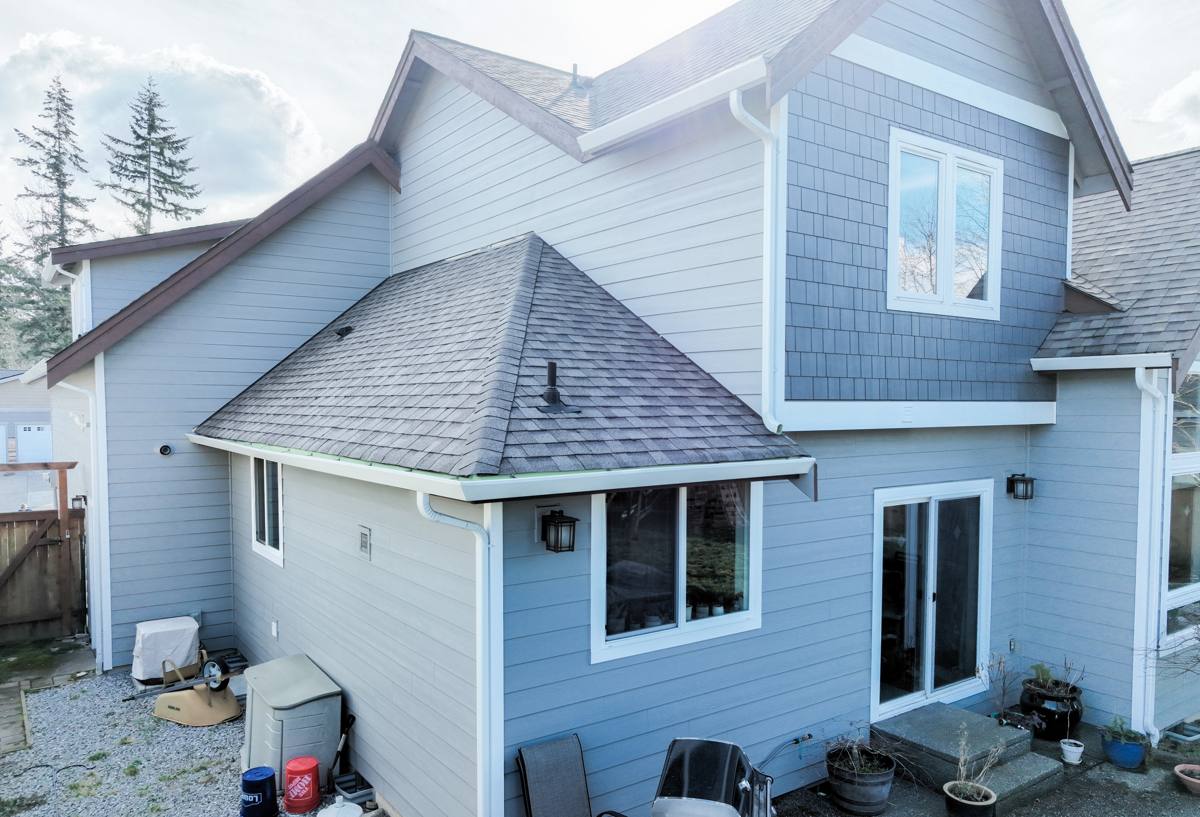
Euclid-St. Paul is one of the established residential pockets of St. Petersburg, and like most of the city's older neighborhoods, its homes carry a mix of original wood siding, aging vinyl, and prior "quick fix" re-siding jobs that were never matched to Florida's climate in the first place. When we send a crew into this area, we're not guessing at what the houses need — we've worked the bungalows, the mid-century ranches, and the occasional two-story infill that make up this part of Pinellas County, and we know where the siding usually fails first: south and west-facing walls, low eave overhangs, and anywhere the original builder skimped on flashing.
Fiber cement siding is not a one-size-fits-all product, and installing it correctly on a home in this neighborhood is a different job than installing it on new construction out in a subdivision. Existing wall assemblies, older sheathing, and decades of paint layers or prior siding all change how the job should be approached. This page covers what that actually means for a Euclid-St. Paul home.
What This Neighborhood's Climate Does to Siding
St. Petersburg sits on a peninsula, and Euclid-St. Paul is close enough to open water that salt-laden air is a constant factor, not an occasional one. Combine that with the rest of what a Pinellas County exterior deals with year-round, and you get a short list of stresses that every siding material on these homes has to survive:
- Hurricane-force wind loads — not just the named storms, but the seasonal squall lines that hit gable ends and corners hard enough to loosen improperly fastened panels over time.
- Wind-driven rain — pushed sideways into laps, seams, and penetrations rather than falling straight down, which exposes any weak point in the water-management detailing.
- Intense, near-constant UV — Florida's sun degrades paint films and unstabilized resins faster than almost anywhere else in the continental U.S.
- Salt air corrosion — accelerates the failure of fasteners, trim, and any metal flashing that isn't rated for coastal exposure.
- Humidity and moisture cycling — daily swings that make any siding material prone to swelling, cupping, or trapped moisture behind the wall especially vulnerable.
None of this is unique to Euclid-St. Paul — it's the reality across most of St. Petersburg and Pinellas County. But it's worth stating plainly because it's the reason we install one product line here, and it explains almost every decision in the sections below.
Why Fiber Cement Is the Right Call Here
Fiber cement is a cement, sand, and cellulose fiber composite — it doesn't warp, rot, or feed termites, and it's non-combustible. For a neighborhood dealing with the wind and moisture pattern described above, those properties matter more than they would somewhere drier and calmer. We install James Hardie exclusively, specifically their HZ5 product line, which is engineered for the exact humidity and moisture-cycling conditions found along the Gulf Coast. We don't install LP SmartSide, vinyl, Cemplank, Allura, or bare wood siding, and we're upfront about why: those products each have real strengths, but none of them hold up to this specific combination of wind, salt, and UV as consistently or with as strong a factory-backed finish as Hardie's ColorPlus system.
ColorPlus is a baked-on, factory-applied finish rather than field-applied paint. That matters in a coastal UV environment because factory finishes cure under controlled heat and hold color and adhesion far longer than paint applied on-site in Florida humidity. It's one less maintenance item for a homeowner in a neighborhood where the sun is doing real work on every painted surface, all year.
What a Correct Fiber Cement Job Actually Involves
Fiber cement siding is only as good as its installation. The material itself is durable, but a poorly installed job — wrong fasteners, missed clearances, bad flashing — will fail regardless of the product behind it. On Euclid-St. Paul homes specifically, a correct job includes:
Substrate and Moisture Barrier
Older sheathing gets inspected before anything goes up. If we find soft spots, prior water intrusion, or house wrap that's degraded from age or UV exposure, that gets addressed first — siding installed over a compromised substrate just hides a problem, it doesn't fix it. A code-compliant weather-resistive barrier goes down correctly lapped, shingle-style, so water sheds outward at every seam.
Fastening for Wind Load
Fastener spacing and type are not cosmetic details — they're what keeps panels on the wall in a wind event. We follow Hardie's fastening schedule for the wind zone this part of Pinellas County falls under, using corrosion-resistant fasteners appropriate for coastal salt exposure, not standard interior-grade hardware that will corrode and loosen over a few seasons.
Clearances and Flashing
Every horizontal surface — window heads, roof lines, deck ledgers, ground clearance — needs the right gap and the right flashing detail so wind-driven rain has somewhere to go besides behind the panel. This is the single most common failure point we find when we're called out to look at a previous installer's work in this area: siding installed tight to trim or too close to grade with no drainage path.
Joint and Seam Treatment
Butt joints, corners, and penetrations (hose bibs, vents, light fixtures) get properly caulked and, where called for, flashed — not just caulked over and left. Caulk alone is a wear item; it's a first line of defense, not the whole system.
How Our Process Works for This Area
- On-site assessment — we walk the exterior, check the current siding and substrate condition, and note any prior water damage, especially around eaves, corners, and low-clearance areas common on this neighborhood's older homes.
- Written scope and product selection — HZ5 panel, plank, or shingle-style profile, and a ColorPlus color, matched to the home and any HOA or neighborhood aesthetic norms.
- Removal and substrate repair — old siding comes off, sheathing and framing get inspected, and any rot or moisture damage gets repaired before the new barrier and siding go on.
- Installation to spec — correct fastening, clearances, and flashing as described above, following Hardie's installation instructions for our wind zone and climate.
- Final walkthrough — we go over the finished job with the homeowner, including how to care for ColorPlus finishes and what warranty coverage applies.
Fiber Cement vs. Other Siding Materials in This Climate
| Factor | James Hardie Fiber Cement | Vinyl | Wood / Engineered Wood |
|---|---|---|---|
| Wind performance | Rated for high wind zones when installed to spec | Can crack or blow off in sustained coastal wind | Adequate if fastened correctly, but panels degrade over time |
| UV / fade resistance | Factory ColorPlus finish holds color for years | Fades and can become brittle under constant sun | Paint fades faster in Florida UV, requires repainting |
| Moisture / rot risk | Non-organic, doesn't rot | Doesn't rot but can trap moisture behind panels | Vulnerable to rot and moisture swelling if not sealed well |
| Salt air / coastal exposure | Engineered for humid, coastal climates (HZ5) | Holds up but fasteners and trim can corrode | More maintenance-intensive near salt air |
| Fire resistance | Non-combustible | Combustible | Combustible |
What Drives Cost on a Euclid-St. Paul Job
| Cost Factor | Why It Matters Here |
|---|---|
| Substrate condition | Older homes sometimes need sheathing repair before new siding goes on, which adds labor |
| Home size and wall complexity | More corners, gables, and trim detail mean more cutting, fitting, and flashing work |
| Removal of existing siding | Multiple layers of prior siding or extensive prep work adds time |
| Panel profile and color | Lap, shingle, or panel styles and premium ColorPlus colors vary in material cost |
| Access and site conditions | Mature landscaping, fencing, or tight lot lines common in older neighborhoods can affect labor time |
We don't quote a job sight-unseen for exactly this reason — an accurate number depends on what's actually behind the current siding, which only an in-person assessment can tell us.
Homeowner Checklist: Is Your Siding Overdue?
- Visible cracking, buckling, or gaps at panel seams or corners
- Soft spots or give when you press on the siding near the bottom of walls
- Peeling or chalky paint that keeps coming back after repainting
- Water stains or discoloration on interior walls near exterior corners
- Siding that's noticeably faded or discolored compared to when it was installed
- Gaps around window and door trim that let light or air through
- Increased pest activity around wall penetrations or low siding edges
Any one of these on its own isn't necessarily an emergency, but a couple together usually means moisture is getting behind the wall — and that's worth having looked at sooner rather than later.
Why a Crew That Already Works This Neighborhood Matters
A lot of siding problems in this part of St. Petersburg trace back to installers who treated the job like it was happening anywhere else in the country — standard fastening schedules, no attention to wind zone, minimal flashing detail. A crew that regularly works Euclid-St. Paul and the surrounding St. Petersburg neighborhoods knows the housing stock, knows what the local wind and moisture conditions actually demand, and isn't learning Florida's climate requirements on your house. That familiarity shows up in the details — clearances, fastener choice, flashing at penetrations — that don't get noticed until years later when they fail.
We install James Hardie fiber cement exclusively because, after years of doing exterior work along this stretch of the Gulf Coast, it's the product system that holds up to hurricane winds, salt air, and Florida sun with the least amount of long-term homeowner maintenance. If you're weighing your options for a home in Euclid-St. Paul, we're glad to come take a look, walk the exterior with you, and give you an honest read on what your siding actually needs — no pressure, no upsell. Reach out for a free estimate using the form below.