 St. Petersburg Siding
 Euclid-St. Paul's Older Housing Stock Has Specific Siding Needs
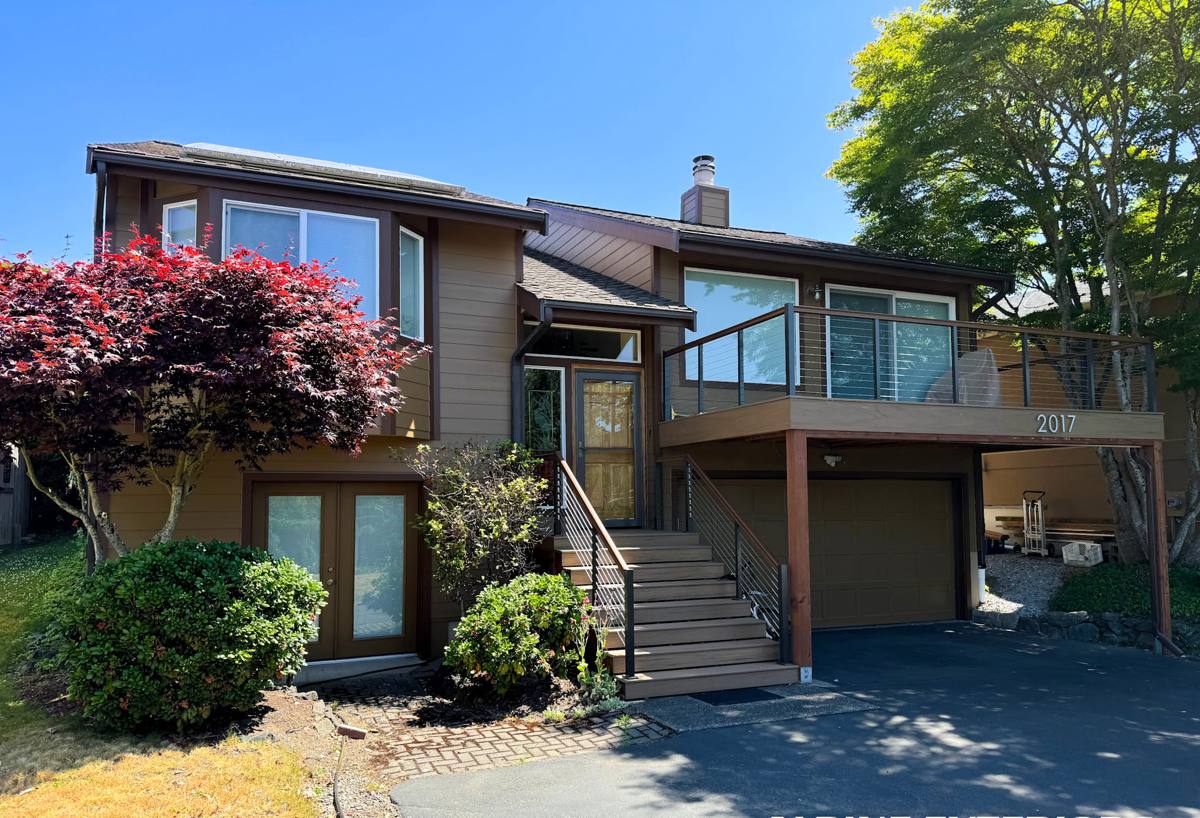
Euclid-St. Paul is one of St. Petersburg's established residential pockets, with a mix of older bungalows, mid-century additions, and homes that have been through multiple rounds of exterior work over the decades. That history matters when you're planning a siding project. A lot of these houses were built before modern wind-load codes existed, then had siding, soffits, or trim added or patched in later without much thought to how water and wind actually move around a structure. When we go out to look at a job in this neighborhood, we're usually not just looking at what siding is on the house today — we're looking at what's underneath it, how the walls were framed, and what shortcuts previous work may have taken.
That context shapes how we approach every James Hardie installation here. This isn't a generic "put new siding on a house" page — it's specifically about what it takes to do a James Hardie fiber cement job right on a Euclid-St. Paul home, given the age of the housing stock and the climate this part of Pinellas County deals with every year.
What Pinellas County Weather Actually Does to Siding
St. Petersburg sits on a peninsula, and Euclid-St. Paul isn't far enough inland to escape any of it. Four things wear down exterior siding here faster than in most of the country:
- Hurricane-force wind: Tropical storms and hurricanes bring sustained winds and gusts that test every fastener, joint, and piece of trim on a house. Siding that isn't fastened to spec becomes the first thing that fails — and once one panel lifts, wind gets behind the whole wall system.
- Intense, near year-round UV: Florida sun degrades paint film and breaks down the surface of a lot of siding materials faster than in milder climates. Color fade, chalking, and surface cracking show up years earlier here than they would up north.
- Wind-driven rain: It's not just how much it rains — it's the angle. Storms here regularly push rain sideways into wall assemblies, which means every seam, joint, and penetration point has to be detailed correctly or water finds its way behind the cladding.
- Salt air: Even away from the immediate waterfront, salt-laden air moves across the whole peninsula and accelerates corrosion of fasteners, flashing, and any metal component in the wall system.
None of these factors are unique to Euclid-St. Paul, but together they explain why siding decisions made for a house in Ohio or Georgia don't automatically hold up in St. Petersburg. The material and the installation both have to be matched to this environment.
Why We Install Only James Hardie Fiber Cement
We made a decision as a company to install James Hardie fiber cement siding exclusively — not vinyl, not LP SmartSide, not Cemplank, not Allura, not primed wood. That's not a marketing position; it's a standard we hold to because of what we've seen these materials do (and not do) in exactly the conditions described above.
James Hardie's fiber cement is non-combustible, dimensionally stable in heat and humidity swings, and resistant to moisture-driven swelling in a way that wood-based products aren't. The factory-applied ColorPlus finish is baked on and warrantied against fading and peeling, which matters enormously under Florida UV — you're not relying on a field-applied paint job to hold up to sun exposure it wasn't necessarily engineered for. Hardie also makes HZ5 product lines specifically engineered for high-humidity, moisture-prone climate zones, which is the zone Pinellas County falls into.
That doesn't mean every other product is without merit. Vinyl is inexpensive and easy to install. Engineered wood products can look good and go up quickly. But when we weigh installation sensitivity, long-term moisture behavior, and how a material holds color and shape after ten Florida summers, fiber cement is what we're willing to put our name behind — and what we tell Euclid-St. Paul homeowners to expect when they call us.
What a Correct James Hardie Installation Involves
The material is only half the equation. James Hardie siding fails prematurely almost exclusively because of installation mistakes, not product defects — and this is where a lot of jobs in older neighborhoods go wrong. A correct installation on a Euclid-St. Paul home includes:
Water Management Behind the Siding
Every wall gets a weather-resistive barrier installed correctly — lapped shingle-style so water sheds downward and out, never trapped behind the cladding. Given how much wind-driven rain this area sees, this layer is doing as much work as the siding itself.
Flashing at Every Penetration
Windows, doors, hose bibs, electrical penetrations, and roof-to-wall intersections all need proper flashing detail. On older homes in this neighborhood, we frequently find these details were never installed correctly the first time, which is often the real source of a "siding problem" that homeowners assumed was just old material.
Correct Fastening for Wind Zones
Fastener type, spacing, and embedment all have to match Hardie's published specifications for our wind exposure. This is not a place to eyeball it — under-fastened siding is one of the most common causes of panels lifting or blowing off in storm-force wind.
Proper Clearances and Gaps
Hardie specifies minimum clearances from roofing, decks, and grade, plus expansion gaps at joints and trim. Skipping these is one of the fastest ways to trap moisture against the bottom edge of the siding, which is exactly where rot and swelling start.
Caulking and Joint Treatment
Butt joints, corners, and trim intersections need the right sealant, applied correctly — not painted over gaps as a substitute for proper flashing.
Our Process for a Euclid-St. Paul Home
Because so much of this neighborhood's housing stock has been added onto or re-sided at least once, we don't treat any job here as a simple tear-off-and-replace. Our process typically looks like this:
- On-site assessment: We inspect the existing siding, sheathing, and any visible trim or flashing conditions, and we look for signs of prior water intrusion or past repair shortcuts.
- Scope and product selection: We walk through the relevant James Hardie product lines, profiles, and ColorPlus options, and recommend what fits the home's style and this climate zone.
- Tear-off and substrate check: Once old siding is removed, we inspect the sheathing underneath for rot or damage before anything new goes up — this is the point where hidden problems from previous work usually surface.
- Weather barrier and flashing installation: This step gets done to spec, every time, regardless of what was (or wasn't) there before.
- Hardie panel/plank installation: Installed per manufacturer fastening schedules for our wind zone, with correct clearances and joint treatment throughout.
- Final trim, caulking, and paint touch-up: Detail work at corners, penetrations, and transitions gets closed out and inspected before we consider the job finished.
Comparing Approaches: What Changes the Outcome
Homeowners often ask why quotes for what looks like "the same job" can vary. Here's what actually drives the difference in long-term performance:
| Factor | Lower-cost / shortcut approach | Correct approach we follow |
|---|---|---|
| Weather barrier | Reused or minimally repaired | New, properly lapped house wrap |
| Flashing at penetrations | Caulk substituted for flashing | Proper metal/membrane flashing at every penetration |
| Fastening | Generic spacing, wrong fastener type | Hardie-specified fasteners and spacing for wind zone |
| Clearances | Siding run tight to grade/roof/deck | Manufacturer-specified gaps maintained |
| Substrate inspection | Skipped or assumed fine | Checked before new siding goes up |
The material cost difference between these two approaches is often small. The difference in how the wall performs during the next tropical storm, or how it looks after five Florida summers, is not.
What to Ask Before Hiring Anyone for This Job
Because installation quality matters more than the product label, vetting the crew matters as much as picking the siding. Before hiring a contractor for James Hardie work in this neighborhood, ask:
- Are you factory-trained or certified specifically on James Hardie installation, not just "experienced with siding in general"?
- Will you inspect and document the sheathing condition before installing new siding?
- What weather-resistive barrier and flashing details will you use at windows, doors, and roof lines?
- What fastening schedule will you follow, and does it account for our local wind exposure?
- Is the warranty transferable if the home is sold, and what does it actually cover?
- Can you explain, in plain terms, why you'd use one Hardie product line over another for this specific house?
If a contractor can't answer these clearly, that's worth taking seriously — it usually means the installation details will be improvised on-site rather than planned.
Maintenance Expectations After Installation
One advantage of fiber cement with a factory finish is that ongoing maintenance is lighter than with painted wood siding, but "lighter" doesn't mean "none." In this climate, we recommend homeowners periodically check caulked joints and trim intersections for cracking, rinse accumulated salt and grime off the siding surface, and have any storm damage inspected promptly rather than waiting. Catching a lifted panel or a compromised joint early is a small fix; ignoring it through another wet season usually isn't.
Why Local, Neighborhood-Specific Experience Matters
A crew that already works in Euclid-St. Paul and the surrounding St. Petersburg neighborhoods has seen how this area's particular mix of home ages, prior renovations, and coastal exposure tends to play out. That's different from general siding experience. Knowing what to expect when you pull siding off a 1950s-era bungalow in Pinellas County — where the past repairs usually went wrong, how the framing typically behaves, what flashing details tend to be missing — comes from doing that specific work in that specific area, not from a national playbook.
If you're weighing a siding project on a Euclid-St. Paul home, we're glad to come take a look and give you a straightforward, no-pressure assessment of what your house actually needs. Use the form below to request a free estimate.