 St. Petersburg Siding
 Siding Installation in Euclid-St. Paul: What Homes Here Actually Need
Euclid-St. Paul is one of St. Petersburg's older, established neighborhoods, with a lot of homes built in the early-to-mid 20th century sitting alongside newer infill construction. That mix matters when you're planning a siding installation, because older wood-frame houses and newer builds don't always have the same sheathing, the same wall assembly, or the same amount of accumulated moisture damage hiding behind the old cladding. A correct installation starts with understanding what's actually on the wall today, not just what's going up next.
What doesn't change from house to house in this part of Pinellas County is the climate load the siding has to survive. St. Petersburg sits on a peninsula between Tampa Bay and the Gulf, which means every home in Euclid-St. Paul deals with hurricane-force wind gusts during storm season, near-constant UV exposure, wind-driven rain that gets pushed sideways into wall assemblies, and salt-laden air that never fully lets up, even a few miles inland. Siding here isn't just a cosmetic upgrade — it's the first line of defense against all four of those at once.
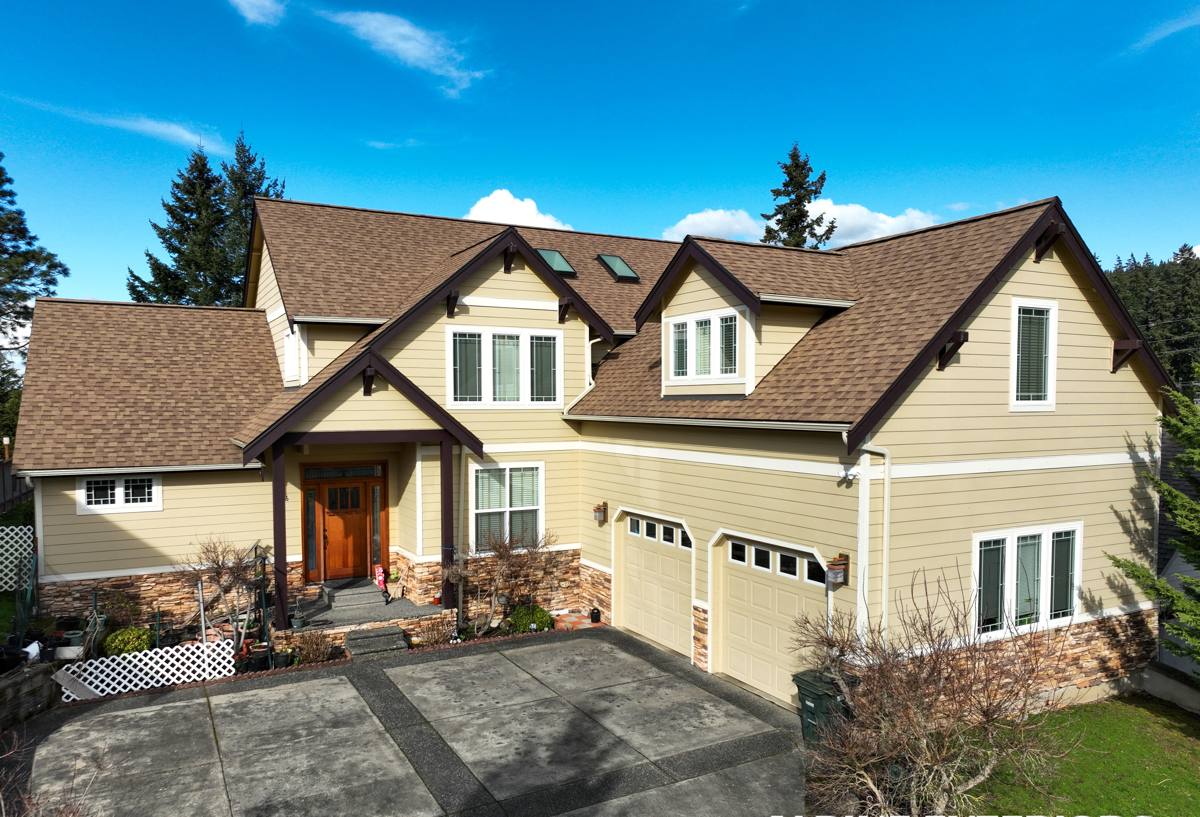
What Local Homes Need From New Siding
Wind and Storm Performance
Florida Building Code sets wind-load requirements for exterior cladding, and Pinellas County enforces them closely given the exposure this area gets in tropical storms and hurricanes. Siding that isn't fastened, spaced, and flashed correctly can fail at the fastener line or the panel edge well before the storm reaches its peak winds — and once one section lets go, wind gets behind the wall and the damage compounds fast. The material matters less here than the installation discipline: correct nailing patterns, proper clearances, and manufacturer-spec fastener schedules are what actually keep siding on the house in a real wind event.
Moisture and Humidity Management
Wind-driven rain doesn't fall straight down in a coastal storm — it gets pushed horizontally into walls, soffits, and window trim. Siding has to shed that water outward while still allowing any moisture that gets behind it to dry out. A water-resistive barrier, correctly lapped flashing, and the right gap between siding and grade or roofline all matter more here than in drier inland climates. Skip any one of those steps and you get slow, hidden rot that isn't visible until a wall starts to feel soft.
UV and Fade Resistance
Florida's sun is intense and consistent nearly year-round, and it's hard on paint. Field-applied paint jobs on wood or fiber cement siding typically start showing chalking, fading, and hairline cracking well before a factory-cured finish does, simply because factory finishes are cured and bonded under controlled conditions that a job-site paint crew can't replicate. In a sun-heavy market like St. Petersburg, the quality of the finish is as important as the quality of the substrate underneath it.
Why We Install Only James Hardie Fiber Cement Siding
We standardized on James Hardie fiber cement and don't install vinyl, LP SmartSide, primed wood, or other fiber cement brands. That's a deliberate call, not a sales preference. Fiber cement is non-combustible, which matters in a state with real wildfire and lightning-strike risk alongside its hurricane exposure. James Hardie's ColorPlus finish is baked on and warranted separately from the panel itself, which addresses the UV-fading problem directly instead of leaving it to whatever paint gets rolled on during installation. And Hardie's HardieZone system includes an HZ5 product line engineered specifically for humid, moisture-heavy climates like Florida's Gulf Coast — it's not a one-size-fits-all product pulled from a national catalog.
None of that replaces good installation. Even the right product, installed wrong, will fail early. But starting with a material that's built for this exact combination of wind, humidity, UV, and salt air gives a Euclid-St. Paul home a real head start.
What a Correct Installation Actually Involves
Siding installation has more steps than most homeowners expect, and skipping any of them is where premature failures come from — regardless of what siding product is used. On a Euclid-St. Paul project, our crews work through the same sequence every time:
- Full removal of old siding and inspection of the sheathing underneath for rot, delamination, or pest damage
- Repair or replacement of any compromised sheathing before anything new goes up
- Installation of a continuous water-resistive barrier, correctly lapped top-over-bottom
- Flashing at every window, door, and roofline intersection — the most common place siding fails
- Fastening per James Hardie's published installation instructions, including nail type, spacing, and depth
- Correct clearances at grade, roofing, decks, and abutting surfaces so water can't wick into the panel edge
- Field-caulking only where Hardie's instructions call for it, with a product rated for this climate
- A final walk-through checking fastener lines, joints, and trim before cleanup
Every one of those steps is inspectable, and a contractor who's confident in their work will walk you through what was done at each stage rather than treating the process as a black box.
Our Process for Euclid-St. Paul Projects
- On-site assessment. We look at your current siding, trim, and any visible signs of moisture or wind damage, and talk through what your home's wall assembly is actually dealing with.
- Product and profile selection. We walk through James Hardie's lap, shingle, and panel options and colors, matched to your home's style and the neighborhood's look.
- Permitting. Siding replacement in the City of St. Petersburg typically requires a permit; we handle that submission and the required inspections.
- Tear-off and sheathing repair. Old material comes off, and any damaged sheathing gets addressed before we move forward — never covered up.
- Weather barrier and flashing. This is the layer that does the real work of keeping wind-driven rain out, and it's the layer that's invisible once the job is done.
- Installation to spec. Panels go up per James Hardie's fastening and clearance requirements for our wind zone and climate designation.
- Trim, caulking, and final finish check. We confirm every seam and joint is sealed correctly and the ColorPlus finish is undamaged.
- Cleanup and walk-through. You get a clear look at the finished work before we consider the job done.
Choosing a Hardie Profile for This Neighborhood
James Hardie offers several siding profiles, and the right one depends on your home's existing architecture as much as personal preference. Euclid-St. Paul has a mix of home styles, so we typically walk owners through these options:
| Profile | Typical Look | Best Fit |
|---|---|---|
| HardiePlank lap siding | Traditional horizontal lap, smooth or cedar-textured | Bungalow, ranch, and traditional home styles |
| HardieShingle siding | Staggered or straight-edge shingle profile | Cottage-style and accent-gable applications |
| HardiePanel vertical siding | Smooth or textured vertical panels | Modern facades, porches, and accent walls |
| HardieTrim boards | Corner, frieze, and window trim | Paired with any of the above for a finished look |
All of these come pre-finished in Hardie's ColorPlus palette, which keeps the color consistent from panel to panel and removes on-site painting variability from the equation — a real advantage in a climate that's hard on field-applied paint.
Cost Factors for Siding Installation
We don't quote pricing without seeing the home, but the main variables that move a project's cost up or down are consistent across Euclid-St. Paul jobs:
| Factor | Why It Matters |
|---|---|
| Home size and wall complexity | More square footage and more corners, gables, and dormers mean more material and labor |
| Condition of existing sheathing | Rot or moisture damage found during tear-off adds repair scope before new siding can go on |
| Siding profile and trim package | Lap, shingle, and panel combinations with detailed trim cost more than a simple single-profile job |
| Removal and disposal of old siding | Vinyl, wood, or old fiber cement all require different removal effort and disposal handling |
| Access and site conditions | Tight lot lines, mature landscaping, or multi-story walls affect staging and labor time |
Why Hiring a Crew That Already Works Euclid-St. Paul Matters
A crew that regularly works this part of St. Petersburg already knows the City's permitting process, the wind and moisture demands of Pinellas County's coastal exposure, and the kind of sheathing and framing conditions common in the neighborhood's older housing stock. That familiarity shows up in fewer surprises mid-project and a faster permitting turnaround, because we're not learning the local requirements for the first time on your job.
It also matters after the job is done. Salt air and storm exposure don't stop the day the last panel goes up, and a contractor who's local and reachable is who you want checking on a Hardie warranty question or a storm-related concern five years down the road — not a crew that worked one job in the area and moved on.
Get a Free, No-Pressure Estimate
If you're planning a siding project in Euclid-St. Paul or elsewhere in St. Petersburg, we're happy to take a look, walk you through your options, and give you a straightforward assessment of what your home needs. Use the form below to request a free estimate — no pressure, no obligation.