 St. Petersburg Siding
 Bartlett Park Homes Face a Specific Set of Exterior Stresses
Bartlett Park sits close enough to Tampa Bay and the Gulf that its houses take on a combination of stresses most inland neighborhoods never deal with. Hurricane-force wind gusts push moisture sideways into wall assemblies. Year-round Florida UV bakes painted and primed surfaces until they chalk, fade, or crack. Salt-laden air corrodes fasteners and accelerates the breakdown of anything not built to resist it. Individually, any one of these would shorten the life of a mediocre siding product. Together, over enough hurricane seasons, they expose every shortcut a lower-grade material or a rushed installation ever took.
That's the lens we use on every Bartlett Park siding job: not "what looks good going up," but "what still performs correctly in year twelve, after the fifth or sixth named storm has come through Pinellas County."
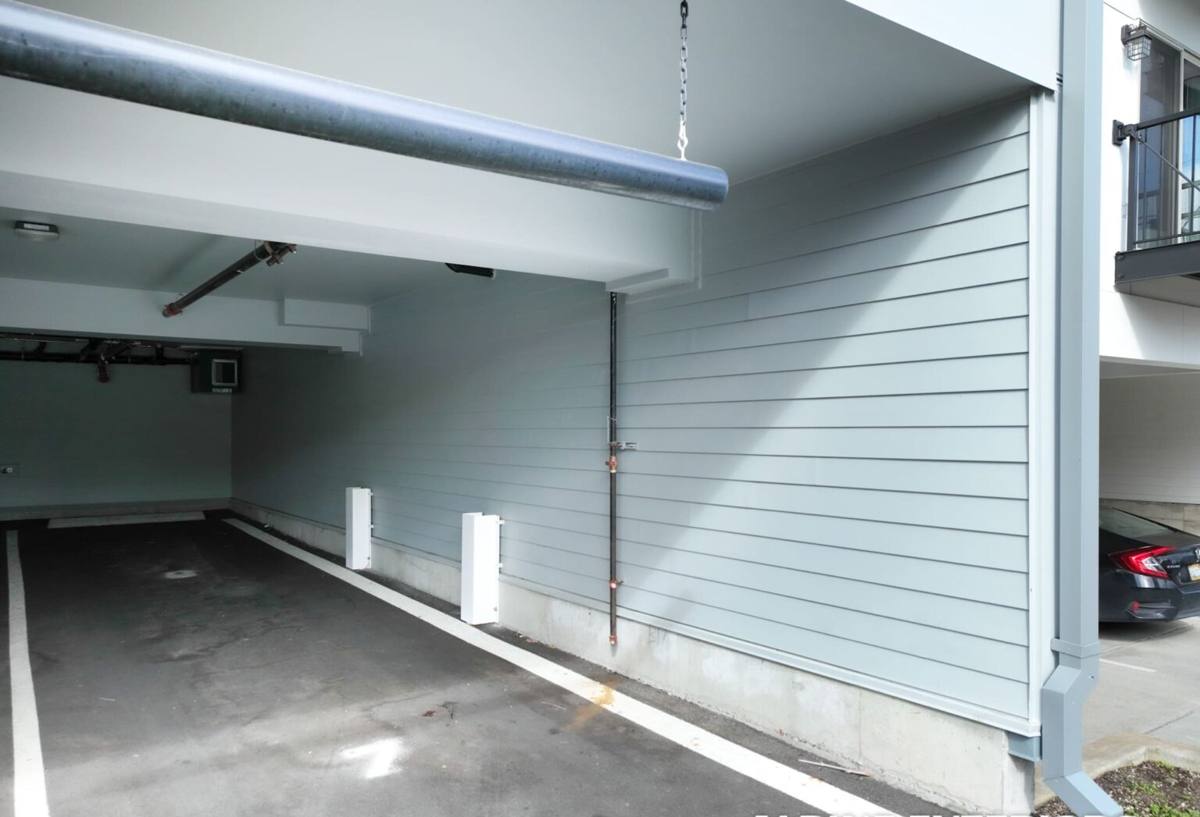
Why We Install Only James Hardie Fiber Cement
We do not install LP SmartSide, vinyl, Cemplank, Allura, or primed wood siding. That's a deliberate standard, not a marketing line, and it comes down to how those products behave specifically in this climate.
Vinyl softens and warps in sustained high heat, and it has a wind-load ceiling that matters a lot when you're figuring for coastal Pinellas County gusts. Engineered wood products like LP SmartSide perform well in drier, more moderate climates, but they rely on an intact factory coating to keep moisture out of the wood-strand substrate — any breach from wind-driven rain, a missed caulk joint, or storm debris impact opens the door to swelling and rot in a way cement-based siding simply doesn't experience. Primed spruce and cedar require an ongoing paint and caulk maintenance cycle that most homeowners underestimate, and gaps in that maintenance show up fast under constant UV and humidity.
James Hardie fiber cement is manufactured from cement, sand, and cellulose fibers — it's non-combustible, doesn't support rot, and doesn't expand and contract with humidity the way wood-based products do. Hardie also engineers specific product lines by climate zone, including an HZ5 formulation built for the freeze-thaw and moisture-cycling demands of regions like ours, plus a factory-applied ColorPlus finish that's baked on under controlled conditions rather than field-painted. That combination is why it's the only siding system we put our name behind.
What ColorPlus Finish Actually Buys You
Field-applied paint is only as good as the weather conditions, prep work, and coat thickness on the day it went on. ColorPlus finish is applied and cured in a factory environment to a consistent thickness, with a 15-year finish warranty backing it. In a market where UV exposure is constant nearly year-round, that consistency matters more than it would somewhere with a shorter, milder summer.
What a Correct Fiber Cement Installation Actually Involves
Fiber cement siding is only as good as the installation underneath it. A lot of the problems we get called out to inspect on older homes aren't product failures — they're installation shortcuts that only show up years later.
Moisture Management Comes Before the Siding Goes Up
Correct installation starts with a weather-resistive barrier and properly flashed openings — windows, doors, and any penetrations — before a single piece of siding is hung. In a neighborhood that takes wind-driven rain as often as Bartlett Park does, this layer is what actually keeps water out of the wall assembly; the siding itself is the second line of defense, not the first.
Fastening, Clearances, and Joints
Hardie specifies fastener type, spacing, and embedment depth for a reason — under-driven or over-driven nails, or the wrong fastener for the substrate, are two of the most common causes of premature cracking or panel movement we see in this climate. Ground clearance and proper gapping at butt joints also matter more here than in drier climates, since standing moisture at the base of a wall is a much bigger issue with regular heavy rain events.
Caulking and Trim Details
Every joint, corner, and trim intersection needs the right sealant, applied correctly, and that sealant needs to be inspected and refreshed over the life of the siding. This is one of the few ongoing maintenance items fiber cement does require, and it's a small one compared to what wood or vinyl demand.
Common Issues We Find on Older Bartlett Park Homes
- Fastener corrosion or staining where non-compliant fasteners were used near the coast
- Cracked or buckled panels from siding installed tight to the ground with no clearance
- Failed caulk joints around trim and window flashing letting moisture behind the siding
- Faded, chalking paint on older field-painted siding that was never a factory finish to begin with
- Soft or delaminating substrate on wood-based siding where a coating breach went unnoticed
None of these are unusual for a coastal Florida neighborhood — they're the predictable result of the climate working on siding that wasn't installed to spec, or wasn't rated for it in the first place.
Fiber Cement Compared to Other Common Siding Choices
| Factor | James Hardie Fiber Cement | Vinyl | Engineered Wood (LP SmartSide) |
|---|---|---|---|
| Wind resistance | Rated for high-wind coastal installation | Lower wind-load ceiling, can flex or detach in gusts | Adequate but panel-dependent |
| Moisture behavior | Does not rot; cement-based composition | Doesn't rot but can warp/melt in heat | Relies on intact coating to prevent wood-strand swelling |
| UV/fade resistance | Factory ColorPlus finish, 15-year finish warranty | Can fade and become brittle over time | Field or factory-coated; performance varies |
| Fire performance | Non-combustible | Combustible | Combustible |
| Maintenance | Occasional caulk inspection | Low, but limited repair options if damaged | Regular coating inspection required |
Cost Factors on a Bartlett Park Fiber Cement Project
Every home is different, but the same handful of factors tend to drive the price on most jobs in this neighborhood:
- Total square footage and the complexity of the home's roofline and trim details
- Whether existing siding needs to be removed or the substrate needs repair before installation
- Product line and plank style selected (lap, shingle-style, panel)
- Amount of trim, corner, and soffit work involved
- Access and staging conditions on the lot
We don't quote a job until we've actually looked at the house — broad ballpark figures without an on-site walkaround tend to be wrong in one direction or the other, and we'd rather give you a number you can trust.
Our Process for Bartlett Park Projects
1. On-Site Assessment
We walk the exterior, check the existing substrate and moisture barrier condition, and note any trim, flashing, or structural issues that need addressing before new siding goes on.
2. Product and Color Selection
We'll go over the relevant Hardie product line and ColorPlus color options for your home, factoring in HOA or neighborhood considerations where they apply.
3. Prep and Moisture Barrier Installation
Old siding removal, substrate repair, and correct installation of the weather-resistive barrier and flashing — the part of the job that determines how the siding performs ten years from now.
4. Installation to Manufacturer Spec
Fastening, clearances, joint gapping, and trim detailing installed to James Hardie's specifications — not shortcuts that happen to look fine on installation day.
5. Final Inspection and Walkthrough
We walk the finished job with you, point out the caulk lines and details that matter for long-term maintenance, and make sure everything meets the standard we'd want on our own house.
What to Ask Before Hiring a Siding Contractor in This Area
- Are they James Hardie certified or factory-trained, and can they explain the local HZ product recommendation for your home?
- Do they carry current liability insurance and workers' comp, and will they provide proof?
- Will they pull the required permit, or are they suggesting you skip it?
- Do they have experience with the wind and moisture detailing specific to coastal Pinellas County homes?
- What does their warranty actually cover — labor, materials, or both — and for how long?
A contractor who's genuinely done this work in Bartlett Park and the surrounding St. Petersburg neighborhoods should be able to answer all of these without hesitating.
Why Local Experience in Bartlett Park Matters
A crew that regularly works this specific pocket of St. Petersburg already knows how the salt air and storm exposure here compare to inland Pinellas County, what wind and moisture detailing actually holds up, and what the older housing stock in this neighborhood tends to need underneath the surface. That's the difference between a siding job that looks right on installation day and one that's still performing correctly after the next several hurricane seasons.
If you're weighing a siding replacement or repair for a home in Bartlett Park, we're happy to come take a look and walk you through what your house actually needs — no pressure, no obligation. Use the form below to request a free estimate.