 St. Petersburg Siding
 Why Pinellas Park Homes Need Siding Built for This Climate
Pinellas Park sits in the middle of Pinellas County, close enough to Tampa Bay and the Gulf that salt-laden air, high humidity, and tropical storm systems are part of everyday life for a home's exterior. Even homes several miles from open water take on airborne salt, and the county's combination of intense UV exposure, wind-driven rain, and hurricane-strength wind events puts real, ongoing stress on whatever material is covering the walls. Siding here isn't just about curb appeal — it's the first line of defense against moisture intrusion, wood rot underneath, and paint that fails years before it should.
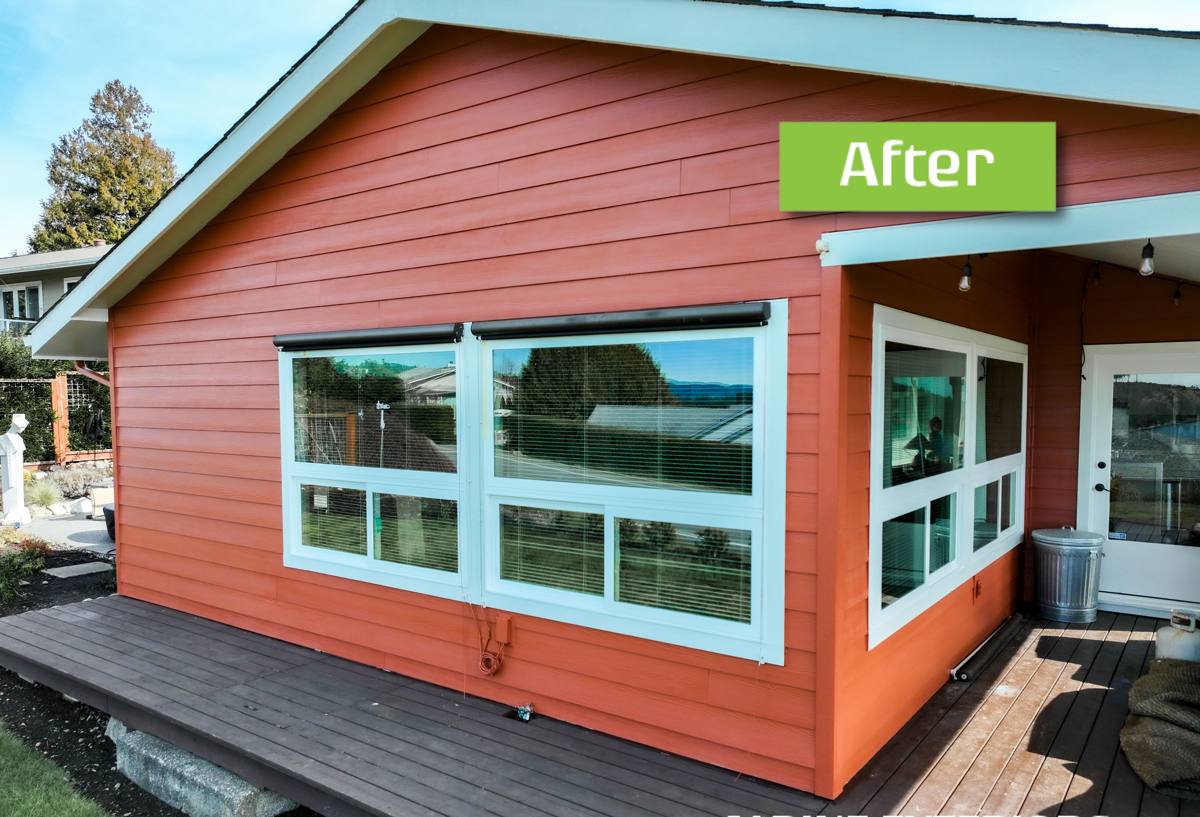
We install fiber cement siding — specifically James Hardie products — on homes throughout the St. Petersburg and Pinellas Park area because it's engineered to handle exactly these conditions. This page covers what that means in practice for a Pinellas Park home, what a correct fiber cement installation involves, and why local experience matters as much as the material itself.
What Florida's Climate Actually Does to Siding
UV and Heat
Pinellas Park gets strong, direct sun essentially year-round. Cheaper siding materials and standard paint jobs chalk, fade, and become brittle under that kind of sustained UV load. Fiber cement resists UV degradation far better than vinyl or painted wood, and James Hardie's factory-applied ColorPlus finish is baked on and warranted against fading in a way that field-applied paint simply can't match.
Wind-Driven Rain and Humidity
Florida storms don't just drop rain straight down — wind pushes it sideways, into seams, laps, and fastener points. Siding that isn't installed with the right overlaps, flashing, and clearances lets that water behind the cladding, where it soaks sheathing and framing that can rot for years before anyone notices. Fiber cement itself doesn't absorb and swell the way wood-based products can, but the installation details around it matter just as much as the panel.
Hurricane-Force Wind
Pinellas County sits in a wind-borne debris region, and siding on a home here has to survive gusts that would tear lighter materials off the wall. James Hardie's HZ5 product line is engineered and tested specifically for high-wind, high-humidity zones like this one, with fastening schedules designed to hold under storm-force loads when installed correctly.
Salt Air
Salt accelerates corrosion on fasteners and trim, and it breaks down inferior coatings faster than inland climates ever would. Fiber cement itself is inert to salt in a way that matters most — it doesn't rust, corrode, or feed on moisture — but the fasteners, flashing, and trim details around it need to be spec'd for a coastal-adjacent environment.
Why We Only Install James Hardie Fiber Cement
We don't install vinyl, LP SmartSide, primed wood, or other fiber cement brands. That's a deliberate standard, not a sales pitch. Vinyl softens and warps in sustained Florida heat and becomes brittle with UV exposure over time. Wood-based composite sidings can perform well when kept perfectly sealed and maintained, but any breach in that seal invites moisture absorption and rot — a real risk in a climate with this much wind-driven rain. James Hardie fiber cement is non-combustible, dimensionally stable in heat and humidity, and backed by a manufacturer that engineers specific product lines for exactly the wind and moisture conditions Pinellas Park deals with. When we put our name on a job, we want a material we're confident will still look and perform right ten and twenty years out.
Comparing Common Siding Options for This Climate
| Material | UV/Fade Resistance | Moisture Behavior | Wind Rating Potential | Salt Air Durability |
|---|---|---|---|---|
| James Hardie Fiber Cement | Excellent (ColorPlus factory finish) | Doesn't absorb/swell; needs correct flashing details | HZ5 line engineered for high-wind zones | Inert to salt; fasteners/trim must be spec'd correctly |
| Vinyl Siding | Fades and chalks under sustained UV | Doesn't absorb water but can warp/buckle in heat | Lower impact and wind resistance than fiber cement | Generally stable but brittle over time |
| LP SmartSide / Wood Composite | Requires field paint maintenance | Vulnerable to swelling and rot if seals fail | Adequate when installed and maintained properly | Coatings can break down faster in salt air |
| Primed Wood/Cedar | Repaint needed every few years | Prone to rot, especially at joints and end cuts | Performance depends heavily on maintenance | High maintenance burden in coastal-adjacent air |
What a Correct Fiber Cement Installation Involves
The material is only half the equation — how it goes on the wall determines whether it performs for decades or causes problems in five years. For Pinellas Park homes, we pay particular attention to:
- Proper weather-resistive barrier and correct overlap of house wrap before any siding goes up
- Flashing at every window, door, and penetration so wind-driven rain can't track behind the cladding
- Correct fastener type, spacing, and embedment depth per James Hardie's wind-zone specifications
- Proper clearance between siding and grade, roofing, decks, and other surfaces to prevent moisture wicking
- Caulking and sealant only where Hardie's install instructions actually call for it — over-caulking traps moisture
- Correct joint treatment and butt-joint flashing so panels expand and contract without cracking finish
Skipping or rushing any one of these steps is how a quality product ends up with a callback a few years later. It's also the difference between a siding job that qualifies for James Hardie's warranty coverage and one that technically doesn't, even if it looks fine on install day.
Our Process for a Pinellas Park Project
1. On-Site Assessment
We walk the home, check existing sheathing and moisture conditions, and identify problem areas — old trim, prior water intrusion, or sections where wind exposure is higher (corners, gable ends, areas facing open exposure).
2. Product and Line Selection
We talk through which James Hardie profile and HZ product line fits the home and its exposure, along with ColorPlus color options that hold up to this much sun without a repaint cycle.
3. Tear-Off and Substrate Check
Existing siding comes off and we inspect what's underneath. Any rotted sheathing or framing gets addressed before new siding goes on — covering a moisture problem is not something we do.
4. Installation to Manufacturer Spec
Flashing, house wrap, fastening schedule, and clearances are all installed to James Hardie's published requirements for this wind and humidity zone — not shortcuts, not "close enough."
5. Final Walkthrough
We review the finished work with the homeowner, confirm trim and caulking details, and make sure everything is documented for warranty purposes.
Why Local Experience Matters
A crew that installs siding in a dry, low-wind climate and a crew that installs it in Pinellas County are solving different problems, even with the same product in hand. Knowing where wind loads concentrate on a typical Florida roofline, how far up a wall salt spray realistically reaches, and which flashing details actually get tested by a real Gulf-side storm season comes from doing this work here, repeatedly — not from a manufacturer's install guide alone. A contractor who already works in St. Petersburg and Pinellas Park has seen what happens when those details are skipped, and builds every job knowing this county will eventually test it.
What This Typically Involves Cost-Wise
Fiber cement costs more upfront than vinyl, largely because of the material itself and the labor required to install it correctly — it's heavier, requires specific cutting tools, and demands more precise flashing work. That upfront difference is offset by not repainting every few years, not dealing with wind damage to lightweight panels, and a longer realistic service life. Every home is different — exposure, square footage, trim complexity, and existing damage all move the number — so we provide a real, project-specific estimate rather than a generic per-square-foot figure.
Signs Your Current Siding May Already Be Failing
- Soft spots or visible warping, especially near the bottom of walls or around windows
- Paint that's peeling, chalking heavily, or fading unevenly within just a few years
- Visible gaps or separation at seams and corners
- Musty smell or discoloration on interior walls that share an exterior wall
- Siding that flexes or feels hollow when pressed
If any of that sounds familiar, it's worth having the wall assessed before more moisture gets behind it — the earlier a problem is caught, the less framing and sheathing damage there tends to be underneath.
Get an Estimate
If you're weighing a siding replacement in Pinellas Park or elsewhere in the St. Petersburg area, we're happy to take a look and give you a straight, no-pressure estimate on what a correctly installed James Hardie fiber cement system would look like for your home. Use the form below to get started.