 St. Petersburg Siding
 Building a Deck That Actually Holds Up in Gulfport
Gulfport sits close enough to open water that every outdoor structure in the neighborhood deals with the same combination of stresses: salt-laden air, punishing UV exposure nearly year-round, wind-driven rain that finds its way into any gap in the framing, and the real possibility of hurricane-force wind loads during storm season. A deck built to a generic national spec, or built by a crew that mostly works inland, often looks fine for a year or two and then starts showing problems — cupped boards, rusted fasteners bleeding through the decking, railings that work loose, ledger connections that were never properly flashed. None of that is inevitable. It's a function of material choice and installation detail, and both of those need to be handled differently here than they would in a drier, cooler climate.
This page is about one thing specifically: custom deck construction for homes in Gulfport, within our St. Petersburg service area. We're not going to give you a generic overview of decking — we're going to walk through what actually matters when the deck in question is a few miles from Pinellas County's coastal waterways and gets hit with sun, salt, and storms in the same year.
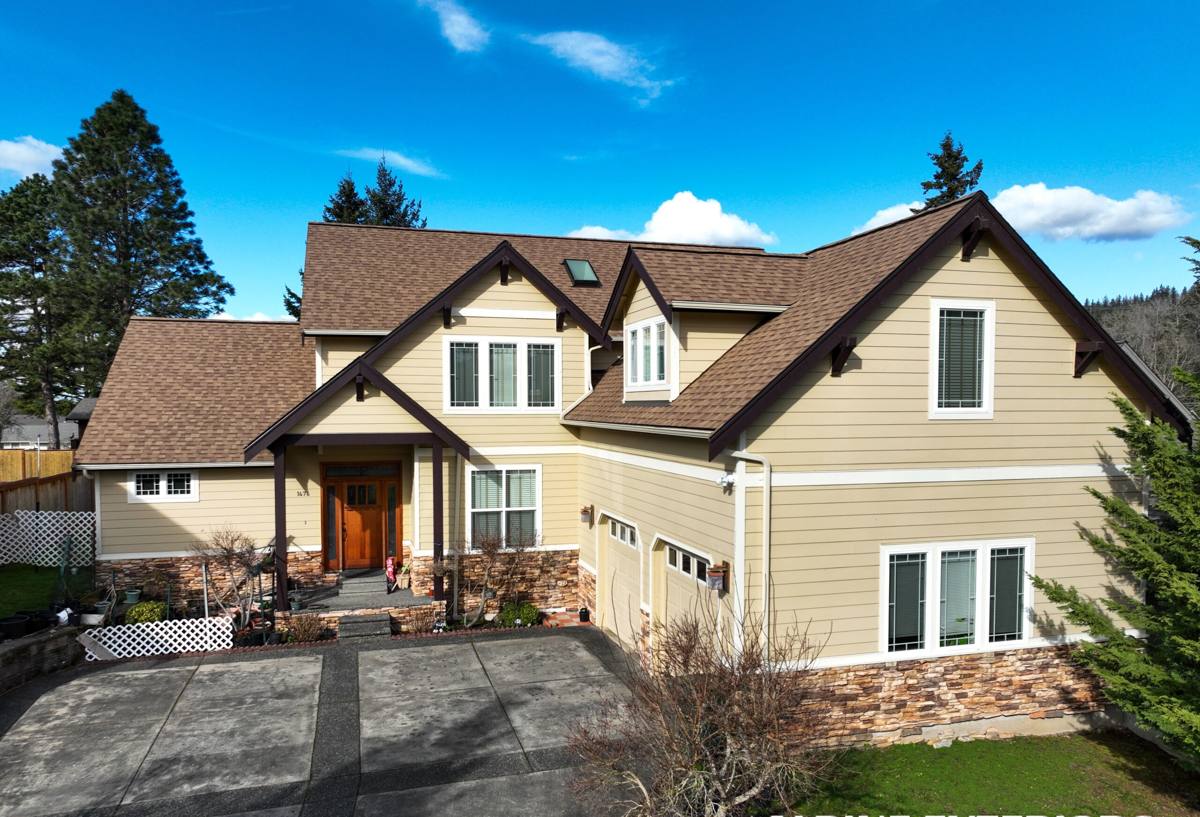
What Pinellas County's Coastal Climate Does to a Deck
Before talking about how we build, it helps to understand what we're building against.
Salt Air and Corrosion
Airborne salt accelerates corrosion on anything metal — fasteners, brackets, hinges, hardware. A deck built with standard hot-dip galvanized screws instead of coated or stainless fasteners rated for coastal or ACQ-treated lumber contact will often show rust streaks within a season or two, and corroded fasteners are a structural problem, not just a cosmetic one.
UV Exposure
Florida sun is intense and consistent for most of the year. Untreated or poorly finished wood grays, splits, and checks faster here than in most of the country. Composite and PVC decking products vary a lot in how well their color and surface hold up under sustained UV — this matters more in Gulfport than it would somewhere with a shorter, milder summer.
Wind-Driven Rain and Moisture
Afternoon storms and tropical systems don't just drop rain straight down — wind pushes it sideways, into ledger connections, under railings, and into any framing member that isn't properly flashed or sloped to shed water. Trapped moisture behind a ledger board is one of the most common causes of deck failure anywhere in the country, and it's a bigger risk here because of how often it rains and how humid the air stays afterward.
Hurricane-Force Wind
A deck attached to your house is, structurally, an extension of your house. Post spacing, joist hanger selection, railing post attachment, and the ledger-to-house connection all need to be sized for real wind loads, not just the minimum that would pass inspection in a calmer climate.
What a Correctly Built Deck Involves
Footings and Foundation
Footings need to be sized and set to local soil conditions and frost-free depth requirements (which in this part of Florida is mostly about bearing capacity and drainage rather than frost heave). We don't guess on footing size based on deck square footage alone — post spacing, expected loads, and soil conditions all factor in.
Ledger Attachment and Flashing
The ledger board — where the deck attaches to the house — is the single most failure-prone connection on any attached deck, and it's the one most often done wrong by crews that don't specialize in this. Correct practice means through-bolting (not just lag screws in many configurations), proper flashing that directs water away from the house sheathing, and a gap or spacer that lets air circulate behind the ledger so trapped moisture doesn't sit against your siding or framing.
Framing and Fasteners
Joists, beams, and posts need to be sized for the actual span and load, not just "what's usually used." Fasteners and structural connectors should be rated for the wood treatment used (ACQ-treated lumber is corrosive to standard galvanized steel) and for coastal exposure generally — stainless steel or specially coated hardware costs more up front and pays for itself by not rusting out in five years.
Railings and Guards
Railing posts need to be through-bolted to the frame, not just toe-screwed, and baluster spacing has to meet code. On an elevated deck, this is a safety issue as much as a code one.
Choosing a Decking Material for This Environment
There's no single "best" decking material — it's a trade-off between upfront cost, maintenance commitment, and how the material handles sun and salt over time. Here's how the main options actually compare for a Gulfport install:
| Material | UV/Fade Resistance | Maintenance | Typical Lifespan | Notes for This Climate |
|---|---|---|---|---|
| Pressure-treated wood | Fades and grays without regular finishing | High — needs periodic sealing/staining | 10-15 years with upkeep | Lowest upfront cost; most sensitive to sun and moisture cycling here |
| Composite decking | Good, varies by brand and product line | Low — occasional cleaning | 25-30 years | Handles humidity well; check the manufacturer's coastal/salt-air warranty terms |
| Capped PVC decking | Very good | Low | 25-30+ years | Fully synthetic, no wood core to absorb moisture — strong option for salt-air exposure |
| Tropical hardwood (e.g., ipe) | Grays without oiling; very durable structurally | Moderate to high | 25+ years | Dense and hurricane-resistant, but needs regular oiling to hold color |
We'll talk through this trade-off honestly during your consultation rather than steering you toward whatever has the best margin. If low maintenance matters most to you, composite or capped PVC is usually the right call in this climate. If you want the look and feel of real wood and don't mind the upkeep, treated wood or hardwood still has a place.
Design Considerations Specific to Gulfport Properties
Drainage and Elevation
Flat, low-lying coastal lots need decks designed so water sheds away from the house foundation, not toward it. Framing height and any grading under the deck should account for how the property drains during heavy rain events.
Orientation and Shade
Given how much direct sun this area gets most of the year, deck orientation and any built-in shade structure (pergola, roof extension) affects both comfort and how hard the decking surface gets hit by UV. We factor this into the design conversation, not just the build.
Hardware Visibility and Finish
Coastal-rated fasteners and connectors are worth the extra cost, but we also pay attention to keeping hardware finishes consistent so a deck doesn't end up with mismatched, visibly rusting screws a year in.
Our Process, Start to Finish
- On-site consultation: We look at your house's ledger wall, yard grade, sun exposure, and how you actually plan to use the space before recommending a layout.
- Design and material selection: We walk through decking material, railing style, and layout options with honest trade-offs, not a sales pitch.
- Permitting: We handle the permit application and coordinate required inspections through the applicable local building department.
- Structural build-out: Footings, framing, ledger flashing, and structural connections go in first and get inspected before decking goes down.
- Decking and railing installation: Surface material and railings are installed to code and manufacturer specification.
- Final walkthrough: We go over the finished deck with you, including any maintenance recommendations specific to the material you chose.
Permitting and Code in This Area
Deck construction in St. Petersburg and unincorporated Pinellas County requires a permit in nearly all cases, along with inspections at specific stages of the build (typically footing/foundation, framing, and final). Requirements around railing height, baluster spacing, stair geometry, and structural connections are enforced through the Florida Building Code, and wind load requirements reflect this region's hurricane exposure. Skipping the permit process — or hiring a crew that does — can leave you without recourse if something fails, and it can also complicate a future home sale, since unpermitted structures often have to be disclosed or brought up to code at that point.
Maintenance Checklist to Protect Your Deck
- Rinse salt residue off the surface periodically, especially after storms with onshore wind
- Check fastener heads and structural connectors annually for rust or corrosion, especially on wood-framed decks
- Inspect the ledger flashing area for signs of trapped moisture or staining on the house siding above/below the connection
- Reseal or oil wood decking on the manufacturer's or trade-standard schedule — don't wait until it's visibly gray and dry
- Tighten railing post connections if you notice any movement
- Clear debris from under the deck so moisture and organic material don't build up against footings and framing
Why a Crew That Already Works in Gulfport Makes a Difference
A lot of what separates a deck that lasts 25 years from one that needs major repair in 5 comes down to details that aren't visible once the project is finished — the fastener spec, the ledger flashing, the footing depth, the connector rating. A contractor who works regularly in this specific coastal environment has already made the mistakes and corrected for them; a crew that mostly builds decks somewhere drier and cooler may not think twice about using standard hardware or skipping a flashing detail that doesn't matter much in their usual climate but matters a great deal here. We also know the local permitting process and inspection sequence, which keeps the project moving instead of stalling on paperwork.
If you're planning a new deck or replacing one that didn't hold up, we're happy to take a look and talk through what your home and budget actually need. Reach out for a free, no-pressure estimate using the form below.