 St. Petersburg Siding
 Why Gulfport Decks Take More Punishment Than Most
Gulfport sits right on Boca Ciega Bay, and that waterfront location is exactly why decks here fail faster than decks built inland. A deck in Gulfport isn't just outdoor furniture with a view — it's a structure that has to survive salt-laden air blowing off the bay, intense year-round Florida UV, wind-driven rain that gets pushed sideways into every joint and fastener, and the real possibility of hurricane-force wind loads during storm season. Build it like a generic backyard deck and you're looking at corroded hardware, cupped boards, and loose railings well before you should be.
We build decks specifically for this environment, not a one-size-fits-all deck that happens to be installed in Pinellas County. That distinction matters more here than almost anywhere else in the region.
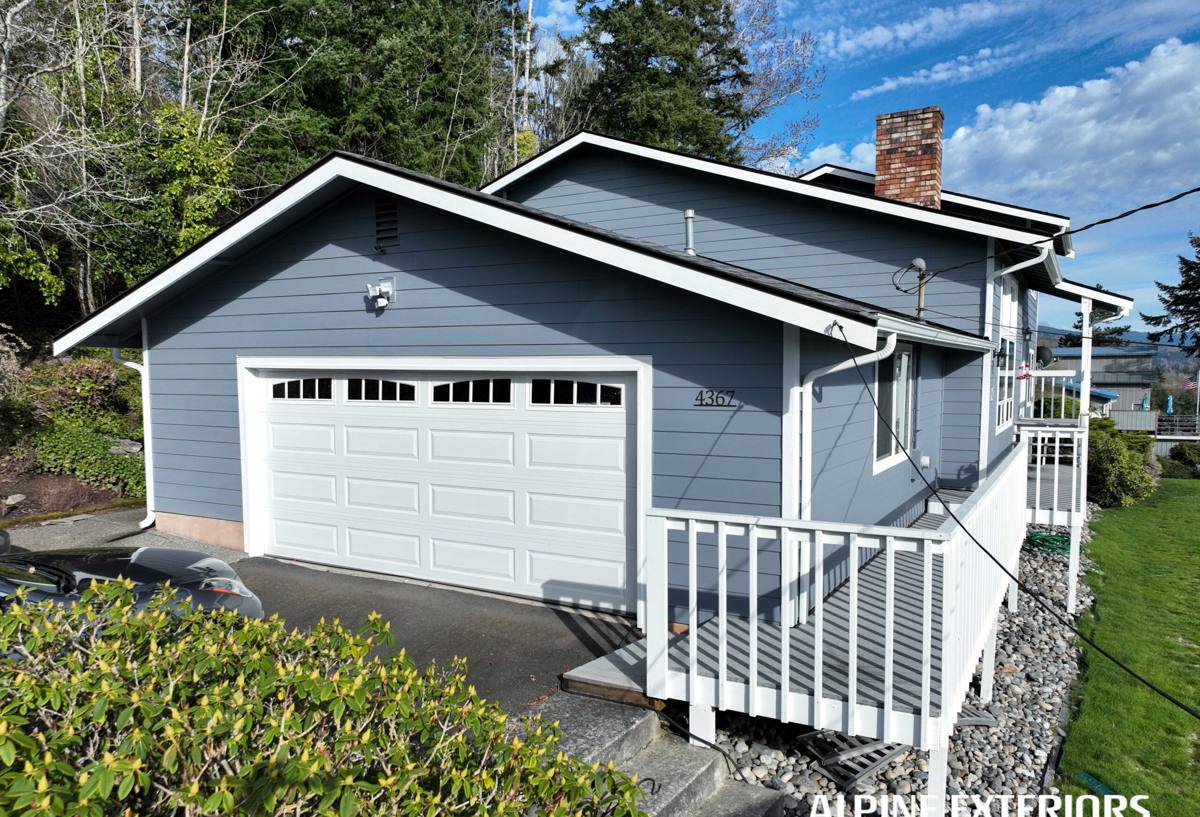
What Coastal Exposure Actually Does to a Deck
Salt Air and Corrosion
Salt air doesn't just sit on the surface of a deck — it works its way into every mechanical fastener, connector plate, and post base. Standard hardware store screws and brackets that would hold up fine forty miles inland can start rusting and staining within a season or two this close to the bay. Once a fastener corrodes, it loses grip strength, and that's a structural problem, not a cosmetic one.
UV Breakdown
Florida sun is relentless on exposed wood and even on many composite products. UV exposure dries out and breaks down the lignin in wood fibers, leading to graying, splintering, and surface checking. Some composite decking handles UV better than others, and the difference shows up as fading or chalking a few years in if the wrong product was chosen.
Wind-Driven Rain and Moisture Cycling
It's not just how much rain Gulfport gets — it's the direction it comes from. Wind-driven rain gets forced up under rail caps, into end grain, and behind ledger boards where standard flashing details don't account for it. Add Florida's humidity and you get constant wet-dry cycling, which is what actually causes rot and fastener loosening over time, more than any single storm event.
High Wind Loads
Pinellas County sits in a high-velocity hurricane zone, and Gulfport's exposure to open water means wind loads on an elevated structure like a deck are a real design consideration, not an afterthought. Railings, guard posts, and the connection between the deck and the house all need to be engineered to resist uplift and lateral loads, not just gravity.
Choosing the Right Decking Material for This Area
There's no single "best" decking material for every Gulfport home — it depends on budget, maintenance tolerance, and how close the deck sits to open water. Here's how the common options actually perform in this specific climate:
| Material | Coastal Performance | Maintenance | Typical Lifespan Here |
|---|---|---|---|
| Pressure-treated pine | Prone to graying and splintering under intense UV; needs sealing to resist moisture cycling | Annual sealing/staining recommended | 10–15 years with upkeep |
| Tropical hardwood (e.g., ipe-type species) | Naturally dense and rot-resistant, handles moisture well | Periodic oiling to maintain color, though it will gray if left untreated | 20-plus years |
| Capped composite | Strong UV and moisture resistance when the cap layer is intact; avoids the splinter/rot issues of wood | Occasional washing, no sealing or staining | 25-plus years |
| Uncapped composite (older-style) | More prone to moisture absorption and mold/mildew in humid coastal air | Requires more regular cleaning | Shorter than capped composite |
We steer most Gulfport clients away from uncapped composite and untreated softwoods for anything close to the water, not because those products are inherently bad, but because they demand a maintenance schedule most homeowners don't keep up with once the newness wears off. The trade-off is almost always upfront cost versus long-term upkeep — we'll walk through that honestly based on your budget and how you plan to use the deck.
Getting the Structure Right: Footings, Framing, and Fasteners
The decking surface is what you see, but the framing underneath is what determines whether the deck is still safe in ten years. In a coastal wind zone like this, a few details matter more than they would elsewhere:
- Post footings sized and set to local frost-free, high-water-table soil conditions common near the bay
- Hot-dip galvanized or stainless-steel fasteners and structural connectors — standard electroplated hardware corrodes too fast in salt air
- Ledger board attachment and flashing detailed to shed wind-driven rain, not just vertical rain
- Guard and railing posts anchored to resist lateral and uplift loads from high wind events, not just leaned against for looks
- Joist spacing and beam sizing that account for the actual span and load, not just "what's always been done"
Corners get cut on exactly these items because they're invisible once the decking goes down. We don't cut them, because they're the difference between a deck that needs re-decking in fifteen years and one that needs to be rebuilt from the ground up.
Permitting and Code in Gulfport and Pinellas County
Deck construction in this area falls under local building code enforcement, and permitting requirements typically apply based on the deck's height, size, and whether it's attached to the house. Wind load requirements tied to Pinellas County's coastal exposure category factor into how railings, posts, and connections are engineered and inspected. Skipping the permit process might save a little time upfront, but it can create real problems later — with insurance claims, home sales, and safety — if the work doesn't hold up to inspection standards. We handle the permitting and inspection process as part of the job, not as a separate hassle you're left to manage.
Our Deck Building Process
1. On-Site Assessment
We look at sun and wind exposure, proximity to the water, existing drainage, and how the deck will actually be used before recommending materials or layout.
2. Design and Material Selection
We walk through the honest trade-offs between wood and composite options for your specific budget and maintenance tolerance — no upselling toward the most expensive product by default.
3. Permitting
We prepare and submit the permit package and coordinate required inspections so the structure is documented and code-compliant from day one.
4. Framing and Structural Build
Footings, posts, beams, and joists go in first, using corrosion-resistant hardware sized for the wind and load requirements of this area.
5. Decking, Railing, and Finish Work
Decking is installed with attention to fastener spacing and drainage gaps, followed by railings anchored to resist coastal wind loads, then final finish work.
6. Final Walkthrough
We go over maintenance expectations specific to the material you chose so there are no surprises a year or two down the road.
Common Deck Problems We See in Gulfport
Working in this area regularly, the same failure patterns show up again and again on decks that weren't built with coastal conditions in mind:
- Rusted or corroded fasteners and brackets within just a few years, from standard-grade hardware not rated for salt exposure
- Soft or rotting framing hidden under intact-looking decking boards, from moisture trapped by poor flashing or ventilation
- Loose or wobbling railings from posts that were never properly anchored for wind loads
- Cupped, splintering, or badly faded boards from wood or lower-grade composite that couldn't handle the UV exposure
- Pooling water and rot at the ledger connection from drainage that was never planned for wind-driven rain
Most of these aren't visible until they've already caused damage, which is why the framing and fastener choices made before the decking ever goes down matter so much.
Maintaining Your Deck in a Salt Air, High-UV Climate
Even a well-built deck needs some ongoing attention in this environment. What that looks like depends on the material, but a few habits apply across the board:
- Rinse the deck periodically to clear salt residue, pollen, and organic buildup, especially after storms
- Inspect fasteners and connectors annually for early signs of rust or loosening
- Check railing posts for any movement or looseness, particularly after high wind events
- Reseal or re-oil wood decking on the schedule appropriate for that species — don't wait until it's already graying and splintering
- Keep gaps between boards clear of debris so water and airflow can do their job
- Look underneath the deck periodically for signs of moisture trapped in the framing
Why It Matters to Hire a Crew That Already Works in Gulfport
A contractor who mostly builds decks inland can still do competent framing work, but they may not default to salt-air-rated hardware, they may not think through wind-driven rain flashing details, and they may not be familiar with how Pinellas County's coastal wind zone requirements apply to permitting and inspections. None of that shows up as a problem on installation day — it shows up two or three years later. Working regularly in Gulfport and the surrounding St. Petersburg area means we've already seen how decks built the wrong way for this climate fail, and we build to avoid those exact outcomes from the start.
If you're planning a new deck or need an existing one assessed for coastal wear, we're happy to take a look and give you a straightforward, no-pressure estimate — just fill out the form below.