 St. Petersburg Siding
 Windows Built for Gulfport's Climate, Not Just Any Florida Climate
Gulfport sits right on Boca Ciega Bay, which means homes here deal with a specific combination of stresses that inland Pinellas County properties don't face to the same degree: near-constant salt-laden air, intense subtropical sun for most of the year, wind-driven rain off the water during storms, and the humidity load that comes with being surrounded by so much coastline. Windows in this neighborhood work harder than windows almost anywhere else in the region, and it shows up in the details — hazy glass from UV breakdown, hardware that corrodes faster than expected, frames that warp or discolor, and energy bills that creep up as old seals give out.
When we talk about "energy-efficient windows" for a Gulfport home, we're not just talking about a Low-E coating and calling it done. We're talking about a window system — glass, frame, seal, flashing, and installation — that's matched to a bayside Florida exposure. Get any one of those pieces wrong and the window underperforms no matter how good the glass rating looks on paper.
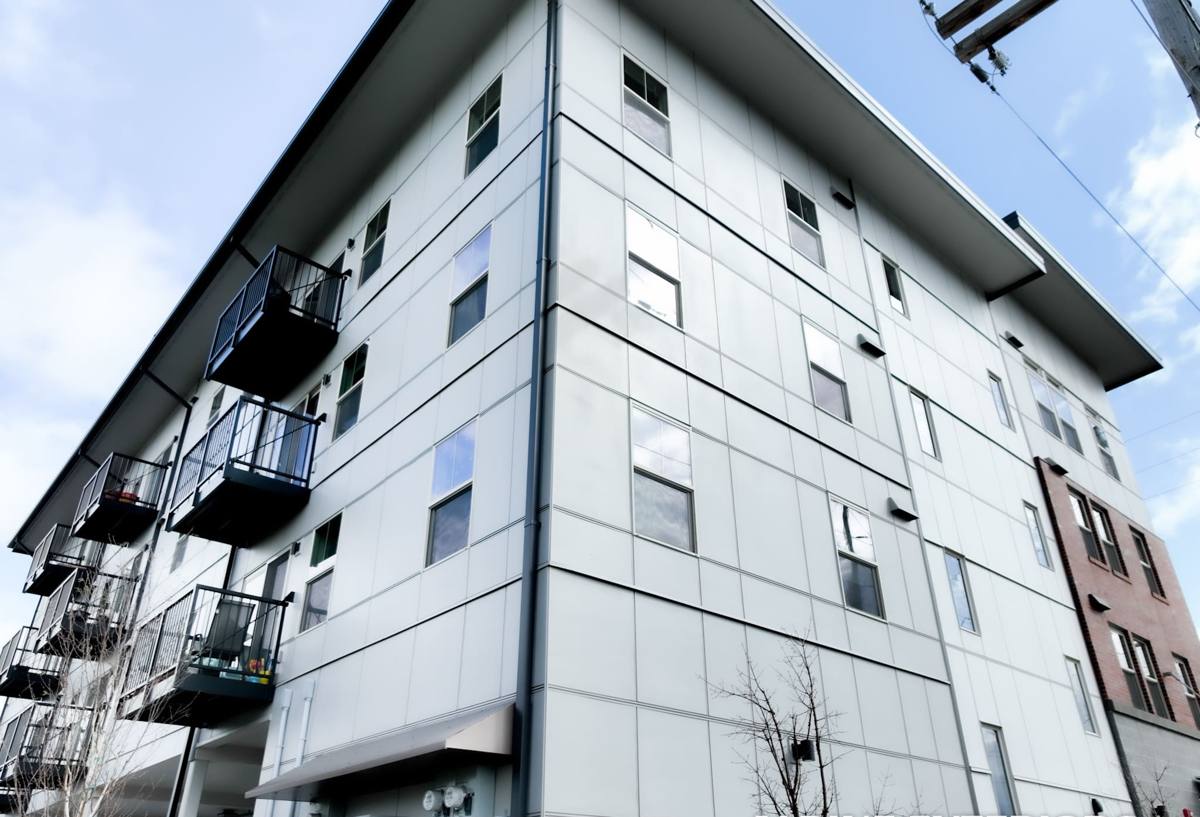
What Gulfport's Environment Actually Does to Windows
Salt Air and Corrosion
Being close to the water means airborne salt settles on everything, including window hardware, screen frames, and metal components inside vinyl or aluminum frames. Over years, that salt exposure accelerates corrosion on hinges, locks, and balance systems well before the glass itself fails. It's one of the most common reasons we see functional but stiff, hard-to-operate windows in this part of St. Petersburg — the hardware gave out long before the unit was actually due for replacement.
Year-Round UV Exposure
Florida's sun angle and day length mean windows here take a heavier UV dose across the year than windows in most of the country. UV breaks down seals, degrades certain vinyl formulations, and fades interior furnishings and flooring through untreated glass. A window that isn't specified with adequate UV protection in its glass package will show that wear inside the home, not just on the frame.
Wind-Driven Rain and Pressure
Gulfport's exposure to storms coming off the Gulf and the bay means wind-driven rain is a real design consideration, not a hypothetical. Rain doesn't just fall here during a storm — it's pushed sideways into the building envelope. That puts real demand on flashing details, sill pans, and the water-management path around every window opening, separate from whatever wind rating the window itself carries.
Humidity and Condensation
High ambient humidity for most of the year means any weak point in a window's seal or insulating glass unit shows up quickly as fogging between panes or moisture intrusion at the frame. In this climate, a failed seal isn't a cosmetic annoyance — it's a sign the unit's thermal performance is already compromised.
What a Correctly Installed Energy-Efficient Window Involves
A window replacement done right in Gulfport isn't just "remove old window, screw in new window." The parts that actually determine long-term performance are mostly invisible once the job is finished:
- Rough opening inspection — checking the framing and sheathing around each opening for water damage or rot before anything new goes in, since covering up an existing problem guarantees a repeat failure.
- Sill pan flashing — a sloped, sealed pan at the bottom of the opening that directs any water that gets past the window back outside instead of into the wall cavity.
- Proper flashing integration — tying the window's flashing into the existing weather-resistive barrier in the correct shingle-lap order, so water is always directed downward and outward.
- Correct fastening and shimming — the frame has to be square, plumb, and properly supported, or the window will bind, leak, or fail its seal prematurely regardless of glass quality.
- Sealant selection — using sealants and backer rod rated for exterior, UV-exposed, coastal conditions, not general-purpose caulk that chalks and cracks within a couple of years.
- Interior and exterior trim-out — finishing the opening so it sheds water correctly and looks intentional, not patched.
Skip any one of those steps and you can end up with a window that has an excellent energy rating on the label but still lets in water, air, or heat around the frame — which defeats the purpose of the upgrade.
Glass and Frame Considerations for This Coastal Climate
Since Pinellas County's cooling season is long and intense, the glass package matters more here than in milder climates. A few things we weigh for Gulfport homes specifically:
- Low-E coatings tuned for heat rejection rather than heat retention, since the priority here is keeping solar heat out, not keeping furnace heat in.
- Impact-rated or laminated glass options, which also help with noise reduction from wind and add a layer of protection against wind-driven debris.
- Frame material — vinyl formulated for UV stability and marine exposure, or properly finished aluminum/fiberglass, chosen based on the home's style and budget rather than defaulting to whatever is cheapest.
- Corrosion-resistant hardware — locks, hinges, and balance systems rated for coastal use, since standard hardware is often the first thing to fail in this environment.
Comparing Window Options for a Gulfport Home
| Factor | Standard Double-Pane | Low-E Coastal-Rated | Impact-Rated Insulated |
|---|---|---|---|
| UV/heat rejection | Basic | Strong | Strong |
| Salt-air hardware durability | Standard, faster wear | Improved, coastal-rated available | Coastal-rated standard |
| Wind-driven rain resistance | Dependent on install quality | Dependent on install quality | Higher inherent resistance |
| Noise reduction | Moderate | Moderate to good | Best |
| Typical upfront cost | Lowest | Mid-range | Highest |
| Best fit for | Interior/less-exposed openings | Most Gulfport homes | High-exposure or storm-priority openings |
Most homes in this area end up mixing categories — impact-rated glass on the most exposed, waterfront-facing openings, and a solid Low-E coastal package everywhere else. That's usually the most cost-effective way to get real performance without over-spending on openings that don't need it.
Our Process for a Gulfport Window Project
- On-site assessment — we walk the home, check each opening's exposure and condition, and note anything already showing water intrusion, rot, or hardware failure.
- Honest recommendation — we tell you which openings genuinely benefit from upgraded glass or impact ratings and which don't, rather than upselling every window to the top tier.
- Written estimate — clear scope, product specs, and pricing before any work starts.
- Removal and inspection — old units come out carefully so we can inspect the framing underneath before anything new goes in.
- Correct installation — flashing, sill pans, shimming, and sealant done to the standard described above, not shortcuts.
- Final check and walkthrough — we test operation, check seals, and walk you through the finished work before we consider the job done.
Why Local Experience in Gulfport Matters
A crew that regularly works in Gulfport and along this stretch of St. Petersburg's waterfront already knows which exposures tend to take the worst of the wind-driven rain, which older homes commonly have framing issues hiding behind the trim, and which hardware and sealant choices hold up versus which ones fail early in this specific salt-air environment. That's the kind of knowledge that doesn't show up on a spec sheet — it comes from having done the work here repeatedly and seen how different products actually perform a few years down the road, not just on installation day.
It also means we're not guessing about permitting or wind-load expectations for Pinellas County — we know what's typically required and build that into the estimate up front instead of surprising you mid-project.
Signs Your Gulfport Home's Windows Need Attention
- Fogging or haze between panes of a double-pane window (a sign the seal has failed)
- Windows that are difficult to open, close, or lock — often a hardware corrosion issue
- Visible warping, discoloration, or chalking on the frame
- Drafts or noticeable temperature differences near the window even when closed
- Water staining on the interior wall or sill after storms
- A noticeable rise in cooling costs without another clear cause
Any one of these on its own might not mean full replacement is necessary — sometimes it's a resealing or hardware repair. But in a coastal environment like Gulfport, it's worth having it looked at rather than waiting, since water intrusion problems tend to compound quietly behind the wall before they become obvious.
Maintenance That Extends Window Life in This Climate
Even the best window installation benefits from basic upkeep in a salt-air environment. Rinsing exterior frames and hardware periodically to remove salt buildup, inspecting exterior caulk lines annually for cracking, and keeping weep holes clear of debris all go a long way toward getting the full expected lifespan out of a window investment here. We're happy to point out what to watch for on your specific windows during any estimate or service visit.
If you're dealing with aging, drafty, or storm-worn windows anywhere in Gulfport, we're glad to come take a look and give you a straightforward, no-pressure estimate — just fill out the form below.