 St. Petersburg Siding
 New-Construction Windows in Gulfport
Gulfport sits on a peninsula between Boca Ciega Bay and the open water south of St. Petersburg, which means homes here take weather from two directions instead of one. When a homeowner is building an addition, replacing a wall of windows down to the studs, or finishing a new structure, the window installation has to be treated as part of the building envelope from day one — not patched in after the fact. That distinction is what "new-construction" windows are about: the window unit has a nailing flange that gets integrated directly into the wall's water management system, as opposed to a retrofit or "pocket" window that drops into an existing frame.
For Gulfport specifically, that means designing for hurricane-force wind loads, wind-driven rain that gets pushed sideways into wall assemblies, and near-constant salt air off the bay. Get the flashing and fastening details right during new construction and the window performs for decades. Get them wrong and you won't see the problem until there's already water damage inside the wall.
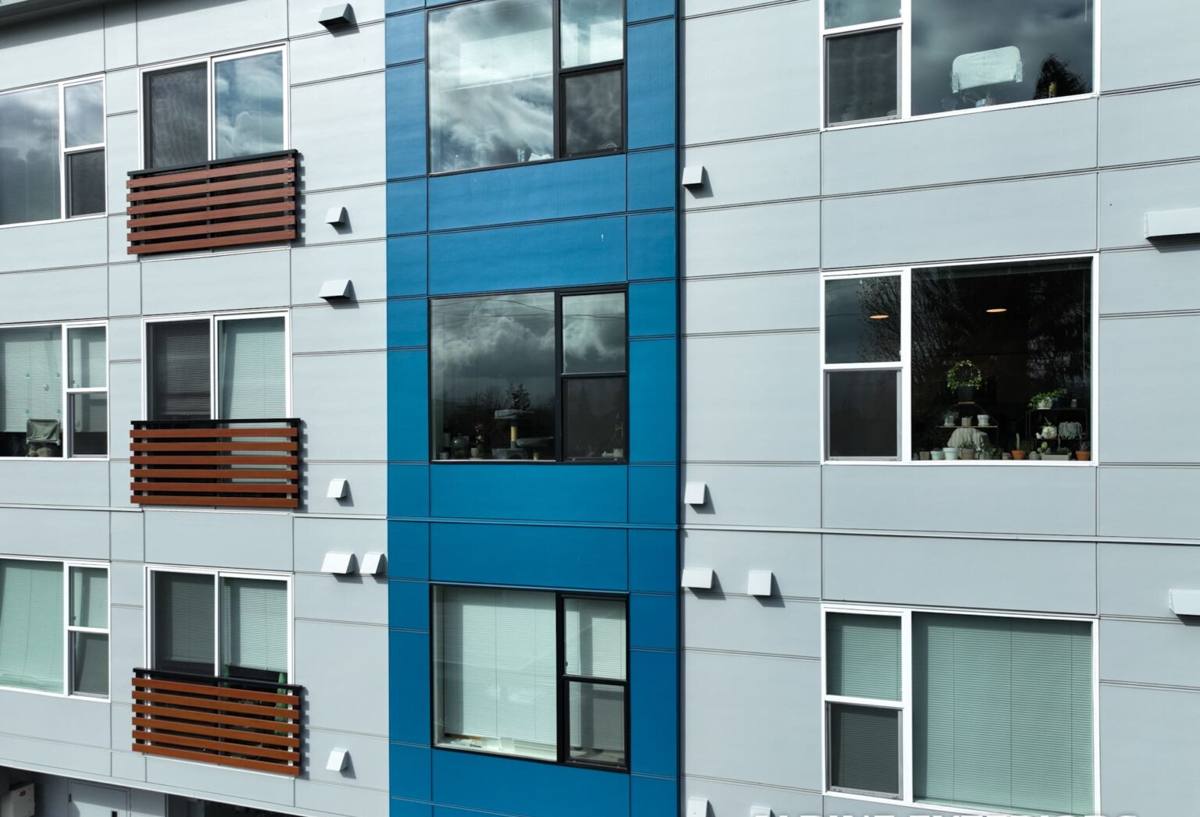
Why Gulfport's Location Changes the Job
Coastal Exposure and Wind-Driven Rain
Gulfport's low elevation and closeness to open water put it squarely in Pinellas County's higher wind-exposure zones. During a tropical system or even a strong summer squall line, rain doesn't just fall on a window — it's driven horizontally into the wall. A new-construction window relies on a layered flashing system (sill pan, jamb flashing, head flashing, integrated with the wall's weather-resistive barrier) to shed that water back out before it ever reaches the framing. This is a bigger factor here than it would be for an inland Florida build.
UV and Heat Load
Florida sun is intense year-round, and a west- or south-facing wall of new-construction windows in Gulfport will take a real UV and heat load every single day. Glass package and frame material both matter for how the window ages and how the room performs on a 95-degree August afternoon.
Salt Air Corrosion
Being close to the bay means airborne salt settles on exterior surfaces even without a direct ocean view. Fasteners, hardware, and frame finishes that aren't rated for coastal exposure will corrode faster here than they would a few miles inland. This is one of the most overlooked details in a rushed new-construction install.
What a Correct New-Construction Install Involves
New-construction window installation is a sequence, and skipping or rushing a step is how leaks start. On a Gulfport job, our crew works through this order every time:
- Rough opening check: confirm the opening is square, level, and sized correctly for the specified unit before anything else happens.
- Sill pan flashing: a sloped, sealed pan at the base of the opening directs any water that gets past the window back outside the wall assembly rather than down into the framing.
- Weather-resistive barrier integration: the wall's house wrap or building paper is cut and lapped in the correct shingle-style order (bottom to top) so water always drains downward and outward.
- Jamb and head flashing: side and top flashing tape or flashing is integrated over the nailing flange and sealed to the weather barrier above it.
- Setting the window: the unit is shimmed plumb, level, and square, fastened per the manufacturer's schedule (important for meeting Florida wind-load requirements), and checked for proper reveal and operation.
- Sealant and backer rod: exterior joints get backer rod and a compatible sealant — not sealant alone, which can fail under movement and UV exposure.
- Interior air sealing: low-expansion foam or sealant closes the gap between the frame and rough opening on the interior side to control air and moisture movement.
Every one of those steps has a wrong way to do it that looks fine on install day and fails two or three storm seasons later.
Choosing the Right Window for a Gulfport Build
Impact Rating and Wind Load
Pinellas County's building code requires windows to meet the wind-load and impact requirements for their zone, and Gulfport's coastal exposure often puts it toward the higher end of what's required locally. For new construction, this needs to be settled at the design stage, not discovered during permitting. Impact-rated glass (laminated glass in a reinforced frame) is the common path; some builds use impact-rated windows paired with code-approved shutters instead, though we generally recommend impact glass for new construction since it protects the home even when nobody's home to deploy shutters.
Frame Material
We steer new-construction clients toward vinyl or fiberglass frames with coastal-rated hardware for most Gulfport applications. Aluminum-clad wood looks good but requires more upkeep in a salt-air environment, and the wood core is more sensitive to any flashing mistake that lets moisture in. That's a maintenance and moisture-management trade-off we're upfront about — not a knock on the product, just an honest read on what holds up with the least babysitting in this specific climate.
Glass Package
Low-E coated, impact-rated laminated glass is the standard we build around for Gulfport new construction. It cuts UV transmission (protecting flooring and furniture from fading), reduces heat gain, and the laminated interlayer is what gives impact glass its strength and its sound-dampening benefit.
| Factor | What It Affects | Gulfport Consideration |
|---|---|---|
| Impact rating | Code compliance, storm protection | Required for most new construction in Pinellas coastal zones |
| Frame material | Long-term maintenance, corrosion resistance | Vinyl/fiberglass generally lower-maintenance near the bay |
| Glass package | Heat gain, UV fading, sound | Low-E laminated glass handles year-round sun well |
| Hardware finish | Corrosion over time | Coastal-rated hardware matters even without a direct water view |
| Flashing detail | Water intrusion risk | Wind-driven rain makes this the most consequence-heavy step |
Our Process on a Gulfport New-Construction Job
We start with a site visit and a look at the plans or the framed opening, not a phone quote. From there:
- Walk the rough openings and confirm sizing, header height, and structural framing are ready for the specified window units.
- Review glass, frame, and impact-rating options against the home's exposure and the homeowner's budget.
- Coordinate flashing and weather-barrier sequencing with the builder or general contractor if it's a new-build project, so trades aren't working over each other.
- Install using the sill-pan-first, shingle-lap sequence described above, with fastening per manufacturer and code wind-load schedules.
- Final walkthrough: operate every window, check reveals and seals, and confirm nothing was missed before the wall gets closed up or finished.
Because we work in Gulfport and the surrounding St. Petersburg area regularly, we already know which inspectors are checking which details and what typically trips up a rough-in on a bay-adjacent lot. That familiarity saves time and re-inspections compared to a crew installing here for the first time.
Why a Local Crew Matters for This Job
New-construction window work rewards a crew that's done it on this exact kind of site before. A crew unfamiliar with Gulfport's exposure might use inland-grade flashing tape, skip the sill pan on the assumption that "it's just one wall," or spec hardware that looks fine on day one but starts corroding within a couple of storm seasons. Those aren't hypothetical failures — they're the predictable result of applying a generic install to a coastal wind and salt-air environment. A local crew brings the flashing sequence, fastening schedule, and product selection that this specific exposure calls for, as a matter of course rather than an afterthought.
Maintenance After Installation
New-construction windows installed correctly need very little upkeep, but a few habits extend their life in Gulfport's climate:
- Rinse frames and hardware periodically to clear accumulated salt residue, especially after windy periods off the bay.
- Inspect exterior sealant joints annually for cracking or separation, and have any gaps re-sealed before rainy season.
- Keep weep holes (small drainage openings at the base of the frame) clear of dirt and debris so water can drain as designed.
- Operate hardware regularly — locks and cranks that sit unused are more prone to seizing in humid, salty air.
What This Costs
New-construction window pricing depends on unit size, impact rating, frame material, and how many openings are involved, so we don't publish blanket numbers — a straightforward mid-size home addition will land in a different range than a full new-build with a dozen large openings. What we can say honestly: impact-rated glass costs more upfront than non-impact options, but for Gulfport's exposure it's the choice that avoids a second expense (shutters, plus the risk of storm damage) down the line.
If you're planning new construction or an addition in Gulfport and want a straight answer on what your windows should look like for this location, we're happy to take a look and put together a free, no-pressure estimate using the form below.