 St. Petersburg Siding
 Gulfport Roofs Take a Beating That Inland Roofs Don't
Gulfport sits right up against Boca Ciega Bay, which means every roof in the neighborhood deals with a combination most inland Pinellas County homes never see: hurricane-force wind gusts, wind-driven rain that gets pushed sideways under flashing and shingle tabs, near-constant UV exposure, and salt air that works on metal fasteners and flashing year-round. None of these show up as a single dramatic failure most of the time. They show up as small, cumulative damage that gets worse every storm season until a homeowner finally sees a stain on the ceiling or a shingle in the yard.
A storm damage roof repair in Gulfport needs to account for all of that at once — not just patch the spot that's leaking today, but hold up through the next round of Gulf Coast weather. That's the standard we hold every repair to.
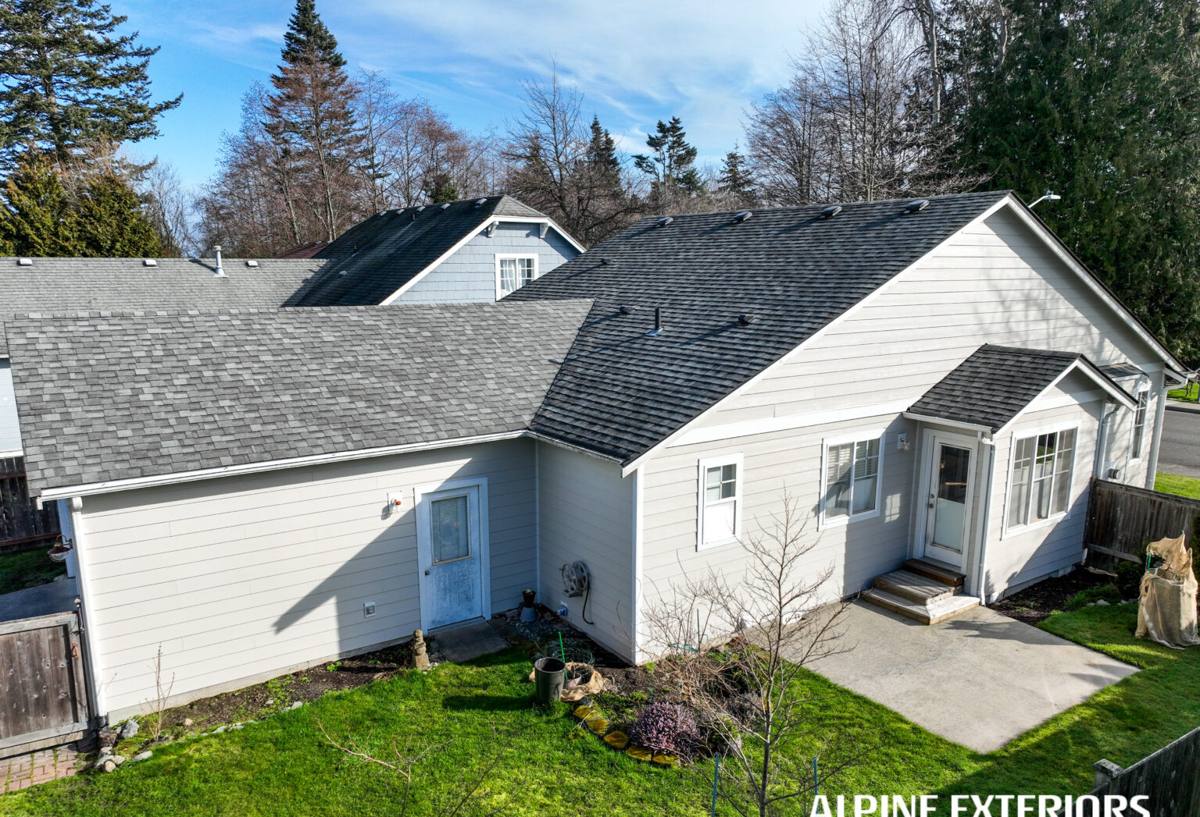
What Actually Counts as Storm Damage
Not every roof problem after a storm is obviously storm-related, and not every roof problem is storm damage at all — some is just age and prior installation quality that a storm exposed. Being straight about that distinction matters, both for your wallet and for any insurance claim you file.
Wind Damage
- Shingles lifted, creased, or torn loose at the edges and ridge lines, where uplift pressure is highest
- Missing shingles or tabs, sometimes in a scattered pattern rather than one clean section
- Flashing pulled loose around chimneys, vents, or where a roof plane meets a wall
- Loose or missing ridge caps
Wind-Driven Rain and Water Intrusion
This is the damage that costs homeowners the most because it's the hardest to see. Wind-driven rain doesn't need a hole in the roof to get inside — it can be forced sideways and upward under shingle edges, through gaps in flashing, or through nail penetrations that were sealed but not sealed for that kind of pressure. The result is water tracking along the underlayment or decking, sometimes showing up as a stain on an interior ceiling many feet from where the water actually entered.
Long-Term Sun and Salt Exposure
Separate from any single storm, Gulfport's UV exposure dries out and embrittles shingles faster than the same product would age further inland, and salt air accelerates corrosion on exposed nails, flashing, and metal roof panels. A storm often just finishes off material that was already weakened by years of sun and salt — which is why two roofs of the same age, one a few blocks from the water and one further inland, can come through the same storm in very different condition.
What a Correct Repair Actually Involves
A storm damage repair that's done right is not just "replace the shingles that are missing." It's a sequence, and skipping steps is exactly how a roof ends up leaking again in the next storm even though it looked fine from the ground.
1. A Real Inspection, Not a Drive-By
That means getting on the roof (weather permitting) to check the decking, underlayment, flashing, and fastening — not just scanning for missing shingles from the street. Soft or spongy decking underfoot is a sign water has already gotten into the wood, and that has to be addressed before any new roofing goes down over it.
2. Matching Materials and Fastening to Gulfport's Exposure
Shingles, underlayment, and fastening patterns rated for standard wind zones aren't always the right call this close to the water. We match materials and installation methods — nailing patterns, sealant use, starter strip detailing — to the wind and rain exposure this part of Pinellas County actually sees, not to the minimum a product's packaging allows.
3. Flashing and Underlayment First, Shingles Second
Most roof leaks trace back to flashing and underlayment failures, not shingle failures. A repair that replaces damaged shingles but reuses old, compromised flashing or underlayment underneath them is a repair that's going to leak again. We treat the water-shedding layers underneath as the real fix and the shingles as the visible finish on top of it.
4. Sealing Every Penetration
Vent stacks, chimney bases, skylights, and anywhere else something penetrates the roof plane are the most common re-leak points after a repair. Each one gets checked and properly flashed or sealed, not just caulked over.
Repair or Full Replacement? How to Tell
Not every storm-damaged roof needs to be replaced, and we won't tell you it does just to sell a bigger job. The honest answer usually comes down to how localized the damage is and how much life was left in the roof before the storm.
| Factor | Repair Usually Makes Sense | Replacement Usually Makes Sense |
|---|---|---|
| Extent of damage | Isolated to one section or a handful of spots | Widespread across multiple roof planes |
| Roof age | Roof is under roughly 10-12 years old | Roof is near or past its expected service life |
| Decking condition | Decking is sound underneath the damaged area | Decking shows rot or soft spots in multiple areas |
| Underlayment condition | Underlayment elsewhere on the roof is still in good shape | Underlayment is brittle or failing broadly, not just at the damaged spot |
| Cost pattern | Repair cost is a small fraction of full replacement cost | Repeated repairs are starting to add up toward replacement cost |
Costs vary a lot depending on roofing material, roof pitch, and how much decking or underlayment needs to come out along with the visible damage — anywhere from a modest repair bill for a contained section up to a much larger figure if decking replacement is involved. We'll give you real numbers for your specific roof, not a guess off a phone call.
Documenting Damage for Your Insurance Claim
If you're filing a claim, documentation matters as much as the repair itself. We photograph and note the damage we find before any work starts, which gives you something concrete to bring to your adjuster rather than relying on memory or a single photo taken from the ground. We're not your insurance company and we don't handle the claim for you, but a clear, honest record of what's actually wrong with the roof — not an inflated one — tends to move claims along faster and avoid disputes later.
Our Process, Start to Finish
- Call or request an estimate — tell us what you're seeing (missing shingles, a ceiling stain, debris in the yard) and roughly when the damage happened.
- On-site inspection — we get eyes on the roof itself, not just what's visible from the driveway, and check decking and flashing along with the shingles.
- Written scope and estimate — what needs to be repaired, why, and what it costs, in plain language.
- Repair work — decking and flashing addressed first, then proper underlayment and shingle work, then a check of every roof penetration.
- Final walkthrough — we show you what was done and why, so you're not left guessing.
Why a Crew That Already Works Gulfport Matters
A roofing crew that works Gulfport regularly already knows the layout of the older bungalow and mid-century roof lines common in the neighborhood, has a feel for how far wind-driven rain travels on a low-slope section near the water, and isn't guessing at permitting requirements with the City of St. Petersburg and Pinellas County. That local familiarity shows up in small ways that matter: knowing which flashing details tend to fail first on homes this close to the bay, and not needing a learning curve on a neighborhood we already know.
It also matters for response time. After a storm moves through, roofing demand across St. Petersburg and Pinellas County spikes fast, and crews with no local base end up spreading themselves thin across the whole region. A crew already working Gulfport and the surrounding area can get to you faster and stays reachable afterward if a question comes up.
After the Repair: What to Watch For
A good repair should hold up, but Gulfport's climate means every roof benefits from a homeowner keeping an eye on it between storms — not waiting for the next hurricane season to find a problem that's been building quietly.
- Check the attic or ceiling after any heavy wind-driven rain for new stains, even small ones
- Look at gutters after storms for an unusual amount of granule buildup, which can signal accelerated shingle wear
- Walk the yard after high wind for shingle pieces or granules that didn't come from your own roof's normal shedding
- Have flashing around chimneys, vents, and skylights visually checked once a year, since these are the most common repeat-leak points
- Note any musty smell in a room below the roof, which can mean slow moisture intrusion before a visible stain appears
Catching a small issue early is almost always cheaper and less disruptive than waiting for it to become a ceiling repair on top of a roof repair.
If you've got storm damage on a Gulfport roof — or you're just not sure whether what you're seeing needs attention — we'll come take an honest look and give you a straightforward, no-pressure estimate. Use the form below to get started.