 St. Petersburg Siding
 Roofing an Older St. Petersburg Neighborhood the Right Way
Historic Kenwood is one of the older residential pockets of St. Petersburg, built out mostly in the early-to-mid 20th century with bungalow and craftsman-style homes, mature oak canopy, and roof lines that were framed for a different building code than what's on the books today. A shingle roof here isn't just a product installed on a house — it's a system that has to work with an older deck, tight or unusual attic spaces, and a climate that doesn't let up. Hurricane-force wind events, year-round UV exposure, wind-driven rain, and the salt air that comes off Tampa Bay and the Gulf all put stress on a roof that a contractor unfamiliar with this specific neighborhood might not plan for.
This page is about one job in one place: asphalt shingle roofing for Historic Kenwood homes. We'll walk through what these homes actually need, what a correct installation looks like, how our process runs from first look to final walkthrough, and why local, repeat experience in this neighborhood matters more than it might seem.
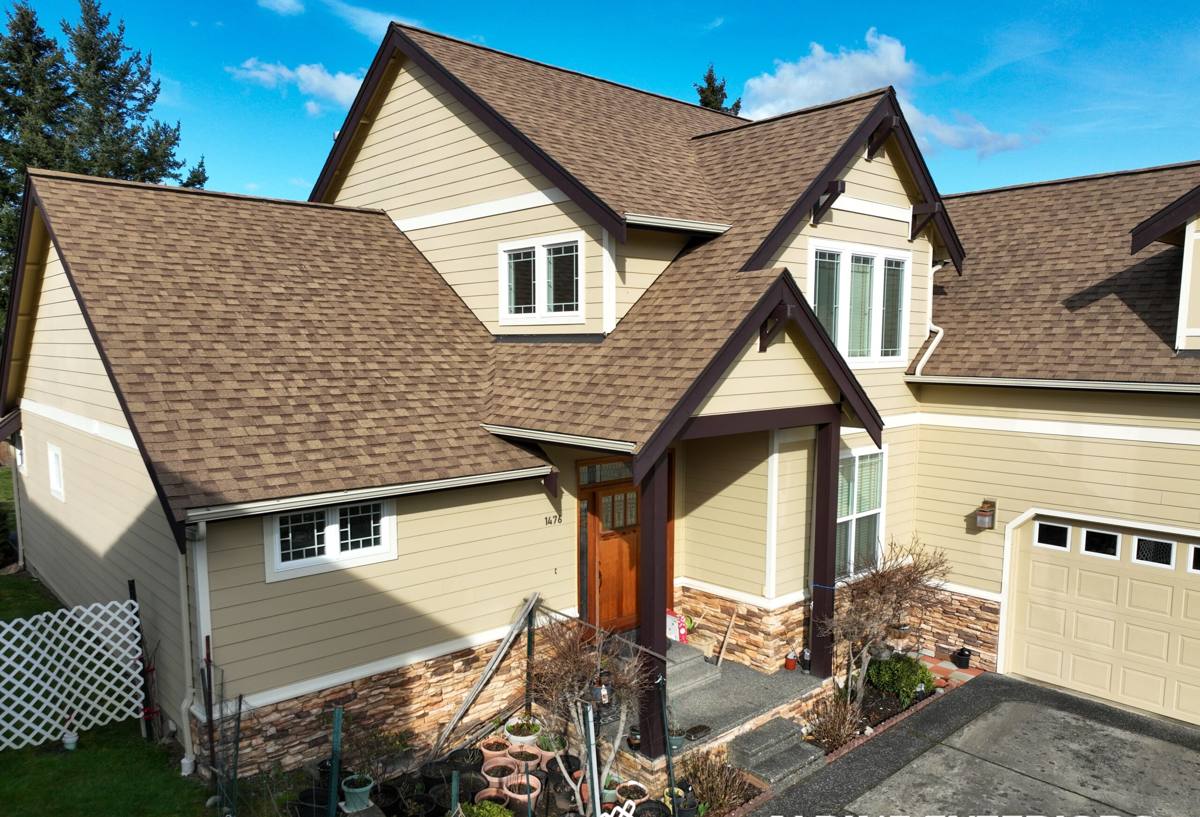
What Pinellas County's Climate Does to a Shingle Roof
Every roofing material sold in Florida is rated to handle some version of our weather, but "rated for" and "actually holds up" are two different things depending on how the roof was installed. Four climate factors show up again and again on Historic Kenwood roofs:
Wind
St. Petersburg sits in a hurricane-exposed wind zone, and even non-named storms regularly bring gusts strong enough to test shingle uplift resistance. Wind failures almost always start at the edges — ridge caps, rake edges, and the first few courses near eaves — which is why fastening pattern and edge detailing matter more here than in calmer climates.
UV and heat
Florida sun is relentless on a roof surface. Asphalt shingles lose plasticizing oils over time from UV exposure, and a roof that bakes at high attic temperatures all summer will show granule loss and brittleness years before an identical roof in a milder climate. Attic ventilation has a direct effect on how long shingles actually last here, not just how comfortable the house is.
Wind-driven rain
Rain that comes in sideways during a squall or tropical system doesn't behave like rain falling straight down. It can work its way under shingle tabs and around flashing details that would be fine in a calmer storm. This is why underlayment choice and flashing work carry more weight in a coastal roofing job than the shingle brand does.
Salt air
Kenwood isn't beachfront, but it's close enough to the bay and Gulf that airborne salt still accelerates corrosion on exposed metal — nail heads, flashing, vent stacks, and gutter hardware. Fasteners and flashing metal that would be fine inland need to be chosen with that in mind.
What Historic Kenwood's Older Homes Bring to the Job
Roof deck condition
Many homes in this neighborhood were built well before modern plywood or OSB decking became standard, and some have been re-roofed multiple times over the decades without every layer being fully addressed. It's common to find board decking, old nail patterns, or areas of soft or delaminated decking under the existing shingles that only show up once the old roof comes off. A contractor who expects a clean plywood deck on every tear-off in this neighborhood is going to run into surprises — and surprises during a re-roof either get handled properly or get covered up.
Attic and ventilation quirks
Bungalow and craftsman rooflines often have lower attic clearance, hip-and-valley combinations, and less continuous ridge than a newer production-built home. That changes how intake and exhaust ventilation need to be planned — a standard ridge vent calculation that works on a simple gable roof doesn't always translate directly to these older, more complex roof shapes.
Tree canopy
The mature oak canopy that gives this neighborhood its character also means more debris, more shade-driven moisture retention on north-facing slopes, and more limb-strike risk during storms. A roof under heavy canopy needs a slightly different maintenance rhythm than one in full sun, and it's worth planning for that during installation rather than after the first problem shows up.
Neighborhood character considerations
Parts of this area carry historic-district recognition, and homeowners sometimes want or need a shingle color and profile that reads appropriately against the surrounding streetscape rather than something that looks out of place next to a century-old bungalow. We treat that as a design conversation up front, not an afterthought.
What a Correct Shingle Roofing Job Actually Involves
"Correct" isn't a marketing word here — it's a specific list of things that either get done right or don't. On a Historic Kenwood re-roof, that list includes:
Deck inspection and repair
Once the old shingles and underlayment are stripped, every square foot of decking gets checked for soft spots, delamination, and old fastener holes. Compromised decking gets replaced or sistered before anything new goes down — shingles are only as good as what they're nailed to.
Underlayment
A synthetic underlayment with self-sealing membrane at eaves, valleys, and penetrations gives the roof a real second line of defense against wind-driven rain, which matters far more here than in a dry inland climate. This layer is the difference between a leak that shows up during the next squall and a roof that shrugs it off.
Flashing
Step flashing at walls, counter-flashing at chimneys, and properly lapped valley and pipe-boot flashing are where most roof leaks actually originate — not the shingle field itself. Given the salt air here, we use corrosion-resistant metal rather than the cheapest option available.
Fastening and wind rating
Shingle uplift resistance depends on nail count, nail placement, and nail penetration into solid decking — not just the shingle's printed wind rating. We follow manufacturer specs for high-wind zones, which in most cases means six nails per shingle rather than the four-nail minimum used in calmer climates.
Ventilation balance
Intake at the soffits has to be balanced against exhaust at the ridge or through roof vents so air actually moves through the attic instead of stagnating. On the hip-and-valley layouts common in this neighborhood, that sometimes means a mix of vent types rather than a single ridge-vent solution.
Shingle Options: What Fits a Kenwood Bungalow
There's no single "best" shingle — the right choice depends on budget, roof complexity, and how long you plan to stay in the house. Here's how the main categories compare for this climate:
| Shingle Type | Typical Wind Rating | Typical Lifespan Here | Best Fit |
|---|---|---|---|
| 3-tab | Lower uplift rating | Shorter, given UV and wind exposure | Budget-driven projects, rental or transitional properties |
| Architectural / laminate | Higher uplift rating, heavier profile | Longer, better UV and wind performance | Most owner-occupied Kenwood homes; best balance of cost and durability |
| Impact-rated (Class 4) | Highest available, plus impact resistance | Comparable to architectural, with added hail/debris resistance | Homes with heavy tree canopy exposure or owners chasing insurance credits |
Architectural shingles are what we recommend for most homes in this neighborhood — they hold up better to sustained UV exposure and give a heavier, more appropriate look against the bungalow rooflines common here. Impact-rated shingles cost more up front but can sometimes offset that through wind mitigation insurance discounts, which is worth running the numbers on given how much tree limb debris this area sees.
How We Approach a Historic Kenwood Roofing Job
- Inspection and estimate. We walk the roof (or use safe alternative inspection methods where the roof pitch or condition calls for it), check the attic for ventilation and moisture signs, and give an honest read on what the roof actually needs versus what's optional.
- Scope and material selection. We go over shingle options, underlayment upgrades, and any ventilation changes given the roof's shape and canopy exposure, so you're deciding with full information.
- Permitting. Re-roofs in St. Petersburg require a permit, and if the property falls within a recognized historic district, we account for any applicable review requirements before work starts rather than after.
- Tear-off and deck assessment. Old materials come off down to the deck, and any repairs get flagged and priced before covering anything up.
- Installation. Underlayment, flashing, ventilation components, and shingles go in following manufacturer specs for our wind zone.
- Cleanup and magnetic nail sweep. Yard, driveway, and landscaping get cleared of debris and stray fasteners — important with kids, pets, and mature landscaping nearby.
- Final walkthrough. We review the finished roof with you before calling the job done.
Signs a Kenwood Roof Needs Attention
Because so many homes here have older decking under multiple past roofing layers, it's worth knowing the warning signs before a small issue becomes a deck-level problem:
- Granules collecting in gutters or at downspout outlets
- Curling, cupping, or cracked shingle tabs, especially on south- and west-facing slopes
- Shingles missing or lifted after a wind event, even if no leak has shown up yet
- Soft spots or sagging felt underfoot when walking the roof
- Staining on interior ceilings, especially near chimneys, valleys, or wall intersections
- Visible daylight through the attic decking
- A musty attic smell, which can point to trapped moisture from poor ventilation
Maintenance and Realistic Lifespan Expectations
Under this canopy and climate, even a well-installed architectural shingle roof needs periodic attention: clearing debris off the roof surface after storms, keeping gutters flowing so water doesn't back up under the eave line, and having an occasional visual inspection after major wind events. Homes under heavy oak canopy tend to need gutter and debris maintenance more often than homes in open sun, simply because leaves and pollen accumulate faster and hold moisture against the roof surface longer. None of this is unusual maintenance — it's just worth building into a realistic ownership routine for a house in this particular setting.
Why Local, Repeat Experience in This Neighborhood Matters
A roofing crew that has actually worked in Historic Kenwood before isn't guessing about what's likely under the existing shingles, how the attic ventilation on a bungalow roofline typically needs to be handled, or what the city's permitting and any historic-district review process looks like in practice. That familiarity shows up in fewer surprises during tear-off, fewer change orders, and a finished roof that fits both the house and the street it sits on. It also means we already understand the general character of construction in this part of St. Petersburg — older framing, mixed-vintage decking, and roofs that have usually been touched more than once before we ever get involved.
If you own a home in Historic Kenwood and want a straight answer about your roof's condition — whether that means a repair, a partial re-roof, or a full replacement — we're glad to take a look. Reach out for a free, no-pressure estimate using the form below.