 St. Petersburg Siding
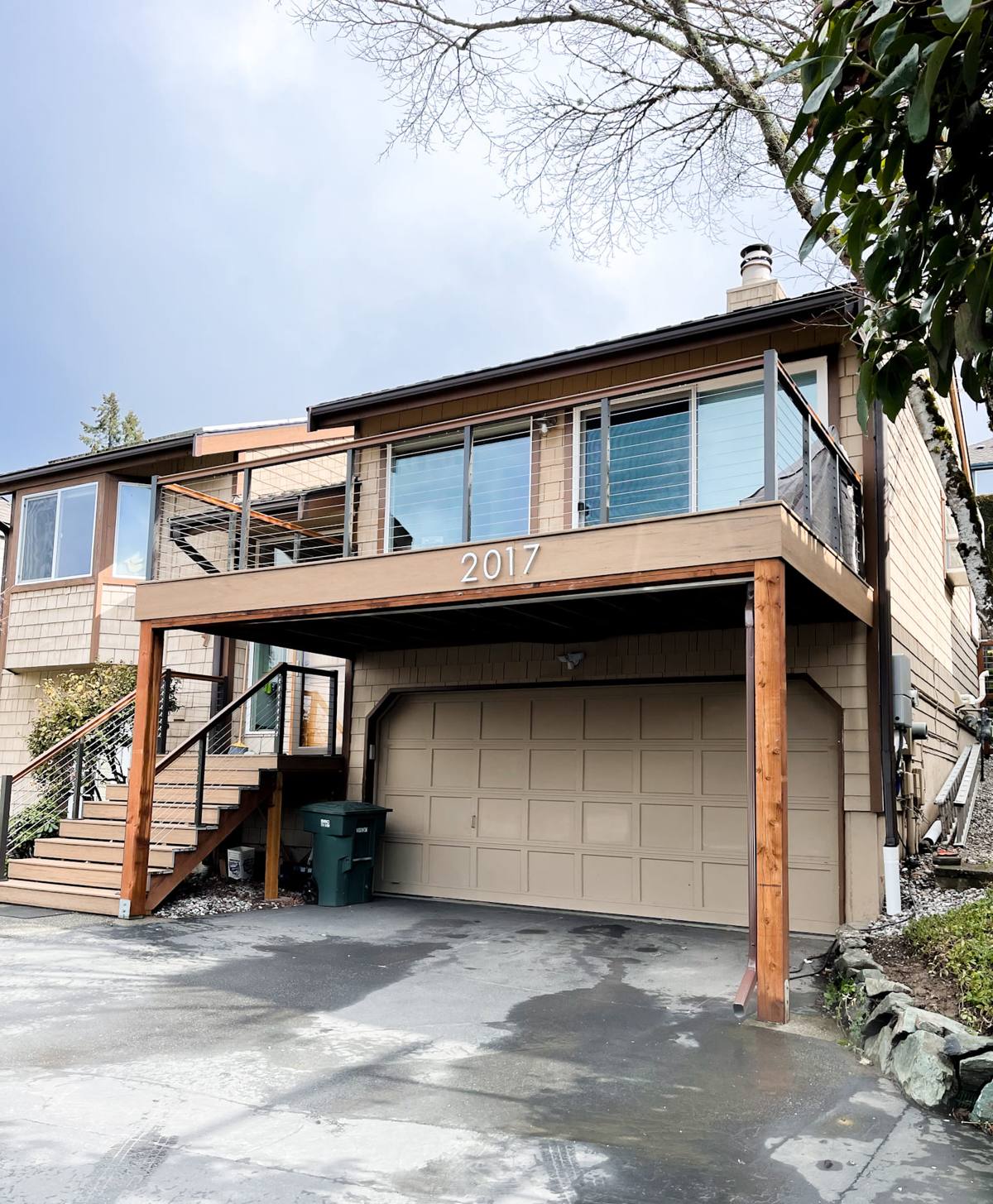
 Building Decks for Historic Kenwood Homes
Historic Kenwood is one of St. Petersburg's older residential neighborhoods, built out mostly in the early-to-mid 20th century with bungalow and Craftsman-style homes on modest lots. Adding or replacing a deck here isn't the same job as building one on a newer slab-on-grade house in a subdivision. Older framing, mature landscaping close to the house, narrower side yards, and a neighborhood character that homeowners care about all shape how the work needs to be done. A deck built for Historic Kenwood has to fit the house it's attached to, hold up to a genuinely tough coastal climate, and be installed by people who understand both.
This page covers what deck building specifically involves for this neighborhood — not a generic "we build decks" pitch, but the actual considerations that come up when we're standing in a Historic Kenwood backyard with a tape measure.
What the Pinellas County Climate Does to a Deck
St. Petersburg sits on a peninsula in Pinellas County, and that location means every outdoor structure gets hit from multiple directions at once.
Hurricane and Tropical-Storm Wind Loads
Decks are lateral structures — they get pushed and pulled, not just loaded from above. Ledger connections, post-to-beam hardware, and railing attachment all need to meet Florida Building Code wind requirements for our region, which are considerably stricter than code in most of the country. Undersized or improperly rated hardware is the single most common reason a deck fails in a storm, and it's usually invisible until the wind actually tests it.
Year-Round UV Exposure
Florida sun is intense for most of the calendar year, not just summer. UV breaks down the surface fibers of wood decking and can fade or chalk lower-grade composite boards over time. Fastener heads, railing caps, and any exposed sealant are also affected — UV-stable products in these spots aren't optional extras, they're the difference between a deck that looks fine at year five and one that's already showing wear.
Wind-Driven Rain
Rain in a coastal storm doesn't fall straight down — it drives sideways and gets forced up under flashing, ledger boards, and any horizontal-to-vertical transition. Ledger flashing that would be adequate inland is often not enough here. This is where a lot of deck rot starts, invisibly, behind the board where the deck meets the house.
Salt Air Corrosion
Even a few miles from the water, salt air accelerates corrosion on fasteners, brackets, and any unprotected metal. A deck built with standard hardware can start showing rust streaks and weakened connections years before a comparable structure inland would. This is a material-selection issue as much as an installation one.
What Historic Kenwood's Character Adds to the Job
Beyond climate, Historic Kenwood brings site conditions that change how a deck project runs:
- Older homes often have framing, sill heights, and foundation types that don't match modern new-construction assumptions — ledger attachment has to be verified on-site, not assumed from a plan.
- Lots tend to be narrower, so equipment access and material staging need planning before day one.
- Mature trees and established landscaping are common and worth protecting — root systems and drip lines factor into footing placement.
- Homeowners in the neighborhood generally want new construction to complement the house's existing architecture rather than look bolted-on, even when there's no formal design review involved.
- Neighbors are close, so noise windows, driveway access, and job-site tidiness matter more than they would on a large rural lot.
None of this makes a deck project harder in a bad way — it just means the planning phase matters more than it would on a blank-slate new build.
What a Correctly Built Deck Actually Involves
Footings and Foundation
Pinellas County soil is largely sandy, which drains well but requires footings sized and set to the depth the local code and soil conditions call for — not a generic minimum. On older lots we also check for buried utilities, irrigation lines, and prior construction debris before digging.
Ledger Attachment
Where the deck framing meets the house is the highest-risk connection on the whole structure, both structurally and for water intrusion. Correct ledger work means through-bolting into solid framing (not just the siding or sheathing), proper flashing that sheds water outward and down, and a gap or drainage plane behind the ledger so trapped moisture has somewhere to go.
Framing and Hardware
Joist hangers, post bases, and structural screws all need to be rated for exterior or coastal exposure — hot-dip galvanized at minimum, and stainless steel is worth the upgrade in fastener-heavy connection points closer to the water. This is one of the easiest places for a rushed job to cut corners, because the hardware is buried under the decking and nobody sees it again until something fails.
Decking Material
Wood, composite, and PVC all perform differently here. There's no universally "right" answer — it depends on budget, maintenance appetite, and how the deck sits relative to sun and rain exposure.
| Material | Upfront Cost | Maintenance | How It Handles This Climate |
|---|---|---|---|
| Pressure-treated wood | Lowest | Annual cleaning, periodic sealing/staining | Needs consistent upkeep to resist UV graying and moisture cycling; the most sensitive to a skipped maintenance year |
| Capped composite | Mid to upper | Occasional washing, no sealing | Good UV and moisture resistance; quality varies significantly by product line |
| PVC decking | Highest | Lowest — washing only | Fully synthetic, handles moisture and salt air well; least "natural" look and feel underfoot |
| Tropical hardwood | High | Regular oiling to maintain color | Naturally dense and durable, but still needs maintenance to fight graying from constant sun |
Railings and Guards
Railings have their own code requirements around height, baluster spacing, and load rating, and they take direct wind and UV exposure. On an older home, railing style is also one of the biggest visual cues — a railing that doesn't match the house's era can make an otherwise well-built deck look out of place.
Our Process for Historic Kenwood Projects
1. On-Site Assessment
We look at the existing structure (if replacing a deck), the house's framing at the attachment point, drainage patterns, tree roots, and access constraints before quoting anything.
2. Design and Material Selection
We walk through decking and railing options against your budget and how much upkeep you actually want to do, and we design the layout to work with the house rather than fight it.
3. Permitting
Deck construction in St. Petersburg generally requires a building permit, and the requirements are tied to Florida Building Code wind provisions for our zone. We handle the permit application and coordinate inspections as part of the job — this isn't an optional add-on for a project like this.
4. Construction
Footings, framing, ledger flashing, decking, and railings are installed in that order, with hardware and fastener choices matched to the coastal exposure at your specific site.
5. Final Inspection and Walkthrough
Once the local building inspector signs off, we walk the finished deck with you, point out anything you should keep an eye on, and answer maintenance questions honestly — including what you can skip and what you shouldn't.
Why a Crew That Already Works This Neighborhood Matters
A contractor who regularly works Historic Kenwood already knows the general permitting process for the area, has a feel for the age and framing quirks common to homes here, and can plan around the tighter lot conditions without it turning into a series of surprises mid-project. That familiarity translates into fewer change orders, a more accurate initial quote, and a build that actually accounts for the wind, UV, and salt exposure this specific location deals with — instead of a generic spec pulled from a climate that isn't Florida's Gulf Coast.
Signs an Existing Deck Needs Attention
If you already have a deck in Historic Kenwood, a few warning signs are worth checking before hurricane season each year:
- Soft, spongy, or discolored decking boards, especially near the house
- Rust streaking around fasteners or hardware
- Any wobble or give when you push laterally on the railing
- Gaps or separation where the ledger meets the house siding
- Standing water or slow drainage after rain
- Peeling or bubbling finish on wood decking
Any of these can indicate a structural or moisture issue that's easier and cheaper to fix early than after it's progressed.
Get a Free Estimate
If you're planning a new deck or need to replace one in Historic Kenwood, we're happy to come take a look, walk the site with you, and put together an honest, no-pressure estimate. Use the form below to get started.