 St. Petersburg Siding
 Metal Roofing in a Neighborhood Built Before Metal Roofing Was Common
Historic Kenwood is one of the older residential pockets of St. Petersburg, and that history shows up on the roof before it shows up anywhere else. Many homes in this part of the city were framed with roof decking, pitches, and eave details that were never designed around a metal system — they were built for the asphalt and wood-shake products of their era. When a homeowner here decides to move to metal, the job isn't just "swap the covering." It's making sure everything underneath the covering — the decking, the ventilation, the flashing at every wall and chimney — is brought up to a standard that can actually support a 30-, 40-, or 50-year metal system instead of undermining it.
That's the gap we focus on. A metal roof installed correctly on an older Kenwood home should outlast two or three asphalt re-roofs. A metal roof installed carelessly — over bad decking, with the wrong fastening pattern, or without attention to how the old roofline actually sheds water — can fail years ahead of schedule and cause damage to a structure that's harder to repair than a newer build.
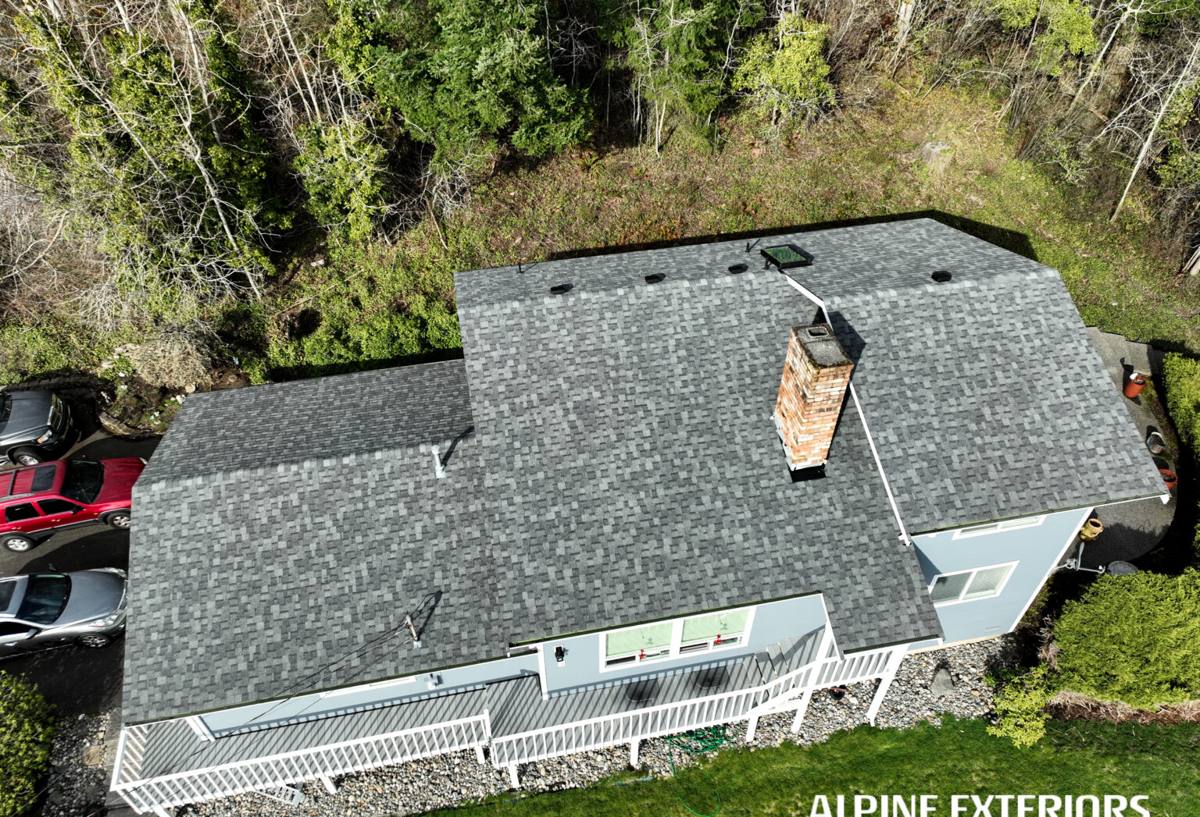
What Pinellas County's Climate Actually Does to a Roof
St. Petersburg sits on a peninsula, and every roof in this area is dealing with the same combination of stresses, just in different proportions depending on tree cover, exposure, and elevation.
Hurricane-Force Wind
Wind uplift is the number one cause of metal roof failure in this region, and it's almost always a fastening or edge-detail problem, not a panel problem. Panels that aren't fastened to the correct schedule, or that lack proper edge and ridge treatment, can start lifting at wind speeds well below what the panel itself is rated for.
Constant UV Exposure
Florida sun is hard on any exterior material, but it's especially hard on paint finishes and sealants. A roof with a quality factory finish holds its color and its protective coating far longer than one with a weaker or mismatched finish, and that finish is doing real structural work — protecting the substrate from UV degradation, not just holding color.
Wind-Driven Rain
Tropical systems don't just drop rain straight down — they push it sideways, up under eaves, and into any gap in flashing or fastener seal. This is where most "mystery leaks" on older homes actually originate: not a failed panel, but a flashing detail around a chimney, dormer, or wall transition that was never sealed for horizontal water intrusion.
Salt Air
St. Petersburg's proximity to Tampa Bay and the Gulf means airborne salt is a factor even for homes that aren't waterfront. Salt accelerates corrosion at fasteners, cut edges, and any point where the protective coating has been compromised — which is why fastener quality and panel finish matter as much as the panel material itself.
What a Correct Metal Roof Install Actually Involves
On an older Kenwood home, the visible metal panel is the last piece of a system. Getting the system right means paying attention to what most homeowners never see.
Deck Inspection and Repair
Before any panel goes down, we check the condition of the existing decking. Older homes sometimes have decking that's thinner than current code, or that has soft spots from decades of minor leaks that were never caught. Metal roofing needs a sound, properly fastened deck underneath it — skipping this step is one of the most common causes of early failure.
Underlayment
A high-temperature, self-adhering underlayment (or a quality synthetic, depending on the system) acts as the roof's real waterproofing layer. The panel sheds the bulk of the water, but the underlayment is what protects the structure if wind-driven rain gets past a seam or a fastener.
Ventilation
Older homes were often built with ventilation assumptions that don't match a modern metal roof's behavior. Proper intake and exhaust ventilation keeps attic heat and moisture from building up under the panels, which protects both the roof system and the home's energy efficiency.
Flashing and Penetrations
Chimneys, plumbing vents, and wall-to-roof transitions are where the majority of leaks originate on any roof, but especially on older homes with more complex rooflines. Flashing has to be formed and fastened to shed water in every direction wind can push it — not just sealed with caulk and hoped for.
Fastening Pattern
For Pinellas County's wind exposure, fastener spacing and type need to follow a schedule appropriate to the local wind zone, not a generic national minimum. This is a detail that's easy to shortcut and expensive to fix later.
Choosing a Panel System for an Older Home
There are two broad categories of metal roofing, and the right choice depends on the home's roofline, budget, and how the homeowner weighs upfront cost against long-term maintenance.
| Factor | Standing Seam | Exposed Fastener |
|---|---|---|
| Fasteners | Concealed, no exposed penetrations | Visible screws through the panel face |
| Wind performance | Generally stronger uplift resistance | Good, but more dependent on fastener maintenance |
| Long-term maintenance | Minimal — no exposed fasteners to re-seal | Fastener washers can age and need periodic checking |
| Upfront cost | Higher | Lower |
| Fit for complex historic rooflines | Better for dormers, valleys, multiple planes | Simpler, more cost-effective on straightforward roofs |
Neither option is wrong — it's a question of matching the system to the roof's complexity and the homeowner's priorities. We'll walk through both honestly during an estimate rather than pushing whichever is more profitable for us.
Respecting the Character of a Historic Home
Kenwood's identity comes in part from its older architectural character, and a roof is one of the most visible elements of that character from the street. Panel profile, seam spacing, and color all affect how a metal roof reads on an older bungalow or cottage-style home. We pay attention to proportions and finish choices that complement the home rather than fighting with it, and if the property falls under any local historic review requirements, we'll factor that into the plan rather than treating it as an afterthought.
How We Approach a Kenwood Metal Roofing Project
- On-site inspection. We assess the existing roof, decking condition, ventilation, and any problem areas like chimneys or complex rooflines before quoting anything.
- Honest scope. We tell you plainly what's a straightforward re-cover versus what needs deck repair or additional flashing work, and why.
- Tear-off or overlay decision. On most older homes, a full tear-off is the right call so we can inspect and correct the deck — we'll explain if your situation is an exception.
- Installation. Underlayment, ventilation, flashing, and panels installed to a fastening schedule appropriate for this wind zone.
- Final walkthrough and cleanup. We check every penetration and edge detail with you before we consider the job finished, and we clear the site of debris and stray fasteners.
Why It Matters That We Already Work in This Neighborhood
A crew that regularly works Historic Kenwood understands things a roofer coming from outside the area has to learn on the job: how the older rooflines here tend to be framed, what decking condition to expect on homes of this age, and how the neighborhood's tree canopy and proximity to the water change wind and debris exposure. That familiarity shows up in fewer surprises during tear-off and a system that's built around how this specific pocket of St. Petersburg actually behaves in a storm — not a generic install pulled from a different climate.
Cost Factors to Expect
| Factor | Why It Moves the Price |
|---|---|
| Roof complexity | Multiple planes, dormers, and chimneys mean more flashing and labor time |
| Deck condition | Repairs or replacement of soft or undersized decking add material and labor |
| Panel system | Standing seam typically costs more upfront than exposed fastener |
| Tear-off scope | Full tear-off costs more than overlay but avoids trapping problems underneath |
| Ventilation upgrades | Older homes sometimes need added intake or exhaust venting |
We provide a broad, honest range once we've actually seen the roof — quoting a metal roof sight-unseen isn't something we do, because the deck condition and roofline complexity on older homes vary too much to guess accurately.
Maintenance Checklist for Metal Roof Owners in This Area
- Clear debris and leaf litter from valleys and around penetrations after storms
- Check exposed-fastener systems periodically for loose screws or worn washers
- Rinse off salt buildup during dry spells if the home is closer to the water
- Inspect flashing around chimneys and walls annually, especially before hurricane season
- Trim overhanging branches that could scrape the finish or drop debris in wind
- Have the roof checked after any named storm, even if no leak is visible yet
If you own a home in Historic Kenwood and you're weighing a move to metal roofing, we're glad to come take an honest look. A free, no-pressure estimate gets you a clear picture of your roof's condition and what a correct install would involve — just fill out the form below.