 St. Petersburg Siding
 Roofing a Neighborhood Like Historic Kenwood
Historic Kenwood is one of St. Petersburg's older, established neighborhoods, known for its concentration of bungalow and Craftsman-style homes built in the early 20th century. Roofs in this part of Pinellas County carry a different set of demands than a roof on a house built in the last twenty years. The rafters, decking, and roof lines are older; the eaves, dormers, and porch overhangs are often more detailed than what you'd find on a modern production home; and many of these houses have already had one or more roof replacements over their lifetime, some done well and some done as a quick, cheap cover-up. Replacing a roof here isn't just a matter of stripping shingles and nailing down new ones. It means understanding what's underneath an older roof deck, respecting the look of the house, and building a roof system that can actually stand up to what Tampa Bay weather throws at it year after year.
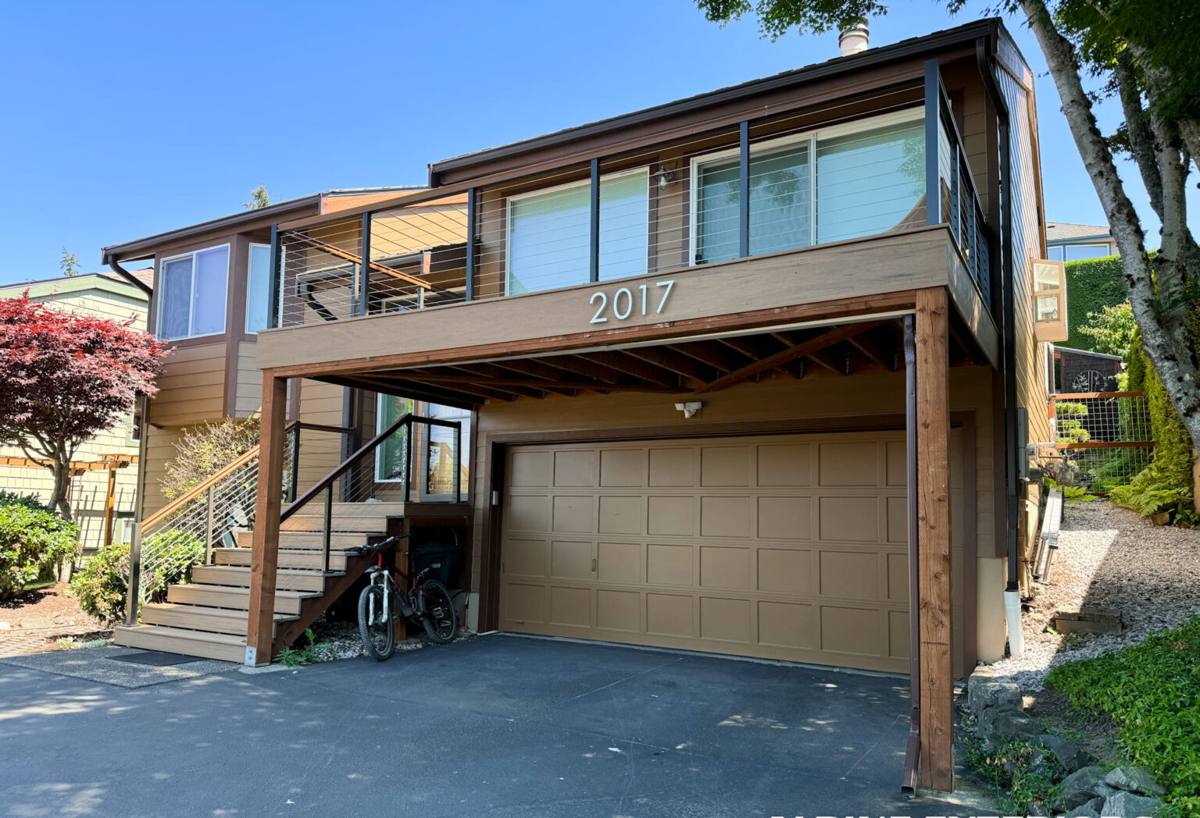
What Pinellas County Climate Does to a Kenwood Roof
St. Petersburg sits on a peninsula, and that has real consequences for roofing. A few things stack up against any roof here, and they stack up faster on older homes with less forgiving construction:
- Hurricane-force wind: Even a roof that never takes a direct hurricane hit spends decades absorbing tropical storm winds and seasonal squalls that lift and stress shingles, flashing, and fascia.
- Intense, near-constant UV: Florida sun bakes asphalt shingles and dries out sealants faster than in most of the country, shortening the practical service life of roofing materials that are rated for cooler climates.
- Wind-driven rain: It's rarely straight-down rain here. Wind pushes water sideways and upward under laps, ridge caps, and flashing details that were never designed for that kind of pressure.
- Salt air: Even away from the immediate waterfront, airborne salt accelerates corrosion on exposed fasteners, flashing, vents, and metal roofing components.
None of this is unique to Kenwood, but it matters more on older homes where the roof deck, ventilation, and flashing details may not have been upgraded to match how demanding this climate actually is.
What Older Roof Framing and Decking Need
Deck condition comes first
On a house from the bungalow era, the roof deck is often original tongue-and-groove board sheathing, or it's been overlaid with plywood at some point during a prior re-roof. Either way, decades of Florida humidity, past leaks, and attic ventilation issues can leave sections of that deck soft, delaminated, or undersized by current code. A correct roof replacement always includes a real inspection of the deck once the old roofing is stripped off — not a guess from the ground, and not a quote that assumes the deck is fine just to keep the price low.
Ventilation and attic behavior
Older homes were often built before modern attic ventilation standards, and additions or prior re-roofs sometimes closed off soffit vents or ridge airflow without anyone noticing. Poor attic ventilation traps heat and moisture, which shortens shingle life from underneath and can rot decking that looks fine from above. Any roof replacement on a home like this is a chance to correct ventilation, not just replace the visible roofing.
Matching the roofline
Bungalow and Craftsman rooflines often include lower slopes, dormers, exposed rafter tails, and porch roofs tied into the main structure. These details need flashing and transition work that a cookie-cutter crew used to simple gable roofs on new construction can miss. Getting these transitions wrong is one of the most common sources of slow, hard-to-trace leaks on older homes.
Choosing a Roofing Material That Fits the House and the Climate
There's no single "right" material for every home in Historic Kenwood, but there are real trade-offs worth understanding before you decide.
| Material | Wind & Storm Performance | UV / Heat Behavior | Fit With Older Rooflines | Typical Lifespan |
|---|---|---|---|---|
| Architectural asphalt shingle | Good with proper nailing pattern and wind rating; performs reliably when installed to Florida Building Code | Holds up reasonably well with quality granules; dark colors run hotter | Widely used, blends with most bungalow styles | Roughly 20-25 years in this climate |
| Standing seam metal | Excellent wind uplift resistance when properly fastened and detailed | Reflects heat well, especially lighter finishes | Works on many bungalows, but changes the visual character of the roof | Roughly 40-50 years |
| Concrete or clay tile | Strong wind performance when installed with correct fastening and underlayment, but heavy on older framing | Very stable under UV and heat | Common in parts of Florida, less traditional to bungalow architecture | Roughly 40-50 years, underlayment fails sooner |
For most Historic Kenwood homes, the honest answer comes down to what the existing framing can support, what the homeowner wants the house to look like, and budget. We'll walk through this with you rather than pushing one product — a heavier tile roof, for example, may require an engineer to confirm the structure can carry the added weight, which is a real cost and time factor worth knowing upfront.
What a Correct Roof Replacement Actually Involves
A roof replacement done right is not just new shingles over the old layer. It should include:
- Full tear-off down to the deck — never a layover on an older home, since it hides the deck condition and voids most manufacturer warranties.
- Deck inspection and repair of any soft, rotted, or undersized sections before anything new goes down.
- Ventilation check and correction where soffit or ridge airflow has been blocked or was never adequate.
- A wind- and moisture-rated underlayment installed to current Florida Building Code requirements, not the minimum a crew can get away with.
- Correct flashing at every valley, dormer, chimney, and wall transition — the details that actually stop leaks.
- Fastening pattern and material matched to the wind rating required for this part of Pinellas County.
- Final inspection and cleanup, including a magnetic sweep for stray nails around the property.
Our Process for a Historic Kenwood Roof Replacement
Inspection and honest assessment
We start by getting on the roof, not just looking at it from the driveway. We check the deck where we can, look at flashing and ventilation, and give you a straight answer on whether you're looking at a repair or a full replacement — and why.
Clear scope and pricing
You get a written scope that spells out material, underlayment, flashing work, and any deck repair contingencies, so there's no surprise change order halfway through the job.
Permitting
Roof replacements in St. Petersburg require a permit, and that permit process confirms the work meets current Florida Building Code wind and moisture standards. We handle this as part of the job.
The work itself
Tear-off, deck repair as needed, underlayment, flashing, and final roofing material — done in a sequence that doesn't leave your home exposed to Florida rain overnight when it can be avoided.
Final walkthrough
We walk the finished roof and the property with you before we consider the job done, not just before we invoice it.
Signs a Historic Kenwood Roof Needs Replacement, Not Just Repair
- Shingles that are cupping, curling, or missing granules across large sections of the roof, not just one damaged spot
- Daylight visible through the roof deck from inside the attic
- Soft or spongy spots when walking the roof
- Repeated leaks in different locations after previous patch repairs
- Roof is original or unknown age and hasn't been inspected in several years
- Visible sagging along the roofline or at valleys
- Granules consistently collecting in gutters, a sign the shingle surface is wearing out
Why It Matters to Hire a Crew That Already Works in This Neighborhood
Historic Kenwood homes reward a crew that has already dealt with the quirks that come with older bungalow framing, mixed roof pitches, and previous repairs stacked on top of each other. A crew that mainly works new construction with simple truss roofs can move fast on that kind of job and still get caught off guard by what's underneath an eighty- or ninety-year-old roof deck. Familiarity with these homes means fewer surprises during tear-off, fewer change orders, and a finished roof that actually respects how the house was built — not a generic install that happens to sit on top of it.
Ready to Talk About Your Roof?
If your Historic Kenwood home is due for a new roof, or you're not sure whether you're looking at a repair or a full replacement, we're happy to take a look and give you a straight, no-pressure assessment. Fill out the form below for a free estimate.