 St. Petersburg Siding
 Storm Damage Roof Repair Built for Historic Kenwood's Older Homes
Historic Kenwood is one of St. Petersburg's older residential neighborhoods, and its bungalow and Craftsman-style homes carry roof framing, decking, and rooflines that are different from what you'll find on a house built in the last twenty years. When a summer storm rolls off Tampa Bay or a tropical system pushes through Pinellas County, those older roofs don't always fail the same way a newer roof does — and repairing them correctly takes a crew that understands the difference, not just a general storm-chasing outfit working off a standard checklist.
This page is about one thing: storm damage roof repair, done right, for homes in Historic Kenwood. Not a rewrite of a generic roofing page — the specific problems, materials, and process considerations that come up when we're repairing storm damage on a roof that's been on a Kenwood house for decades.
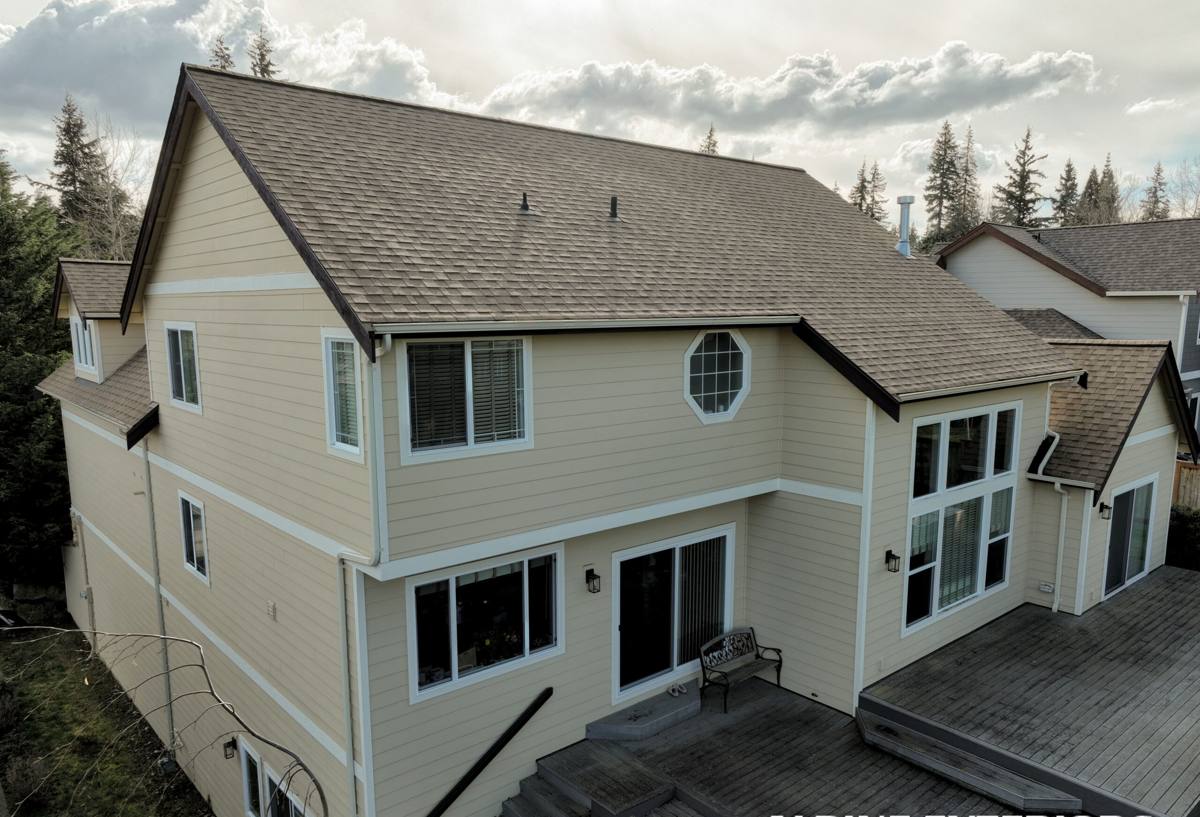
What Pinellas County's Climate Does to an Older Roof
Every roof in the St. Petersburg area deals with the same basic climate stresses: hurricane-force wind events, wind-driven rain that gets pushed sideways under flashing and shingle edges, near-constant UV exposure that breaks down roofing materials faster than in most of the country, and salt air drifting in off the Gulf and Tampa Bay that accelerates corrosion on any exposed metal. On a newer roof with modern underlayment and fastening, those forces are accounted for in the original installation. On an older Kenwood roof, they've often been working against original materials, older flashing details, and repairs layered on top of repairs for years.
Why age changes the failure pattern
An older roof deck can have areas of wood that have slowly lost strength from years of minor moisture intrusion nobody noticed. Add one hard wind event and the same gust that would just lift a few shingle tabs on a newer roof can tear loose a section of decking that was already weakened. Older flashing — around chimneys, dormers, and roof-to-wall transitions common on bungalow-style homes — is also more likely to have hairline gaps that wind-driven rain finds during a storm, even if the roof looked fine the week before.
Salt air and UV compound the problem
Being close to the water is part of what makes this area desirable, but the same air that feels good on a porch is steadily corroding exposed nails, flashing edges, and metal drip edge. Combined with intense year-round UV breaking down sealants and shingle granules, older roof systems tend to have less reserve capacity left when a storm hits — which is exactly why a repair after a storm needs to look past the obvious damage and check what the storm exposed underneath.
Common Storm Damage We See on Historic Kenwood Roofs
- Lifted or torn shingle tabs, especially on south- and west-facing slopes that take the most sun and wind exposure
- Flashing separation around chimneys, dormers, and wall intersections common on older bungalow rooflines
- Valley wear where wind-driven rain concentrates and finds any gap in underlayment or flashing
- Soft or spongy decking discovered only after a storm forces a closer look, often from long-term minor leaks rather than the storm itself
- Displaced or corroded drip edge and gutter apron along the roof perimeter
- Granule loss and accelerated shingle wear from UV exposure that made the roofing more brittle going into the storm
What a Correct Repair Actually Involves
A storm damage repair that just patches the visible hole is a short-term fix. On an older Kenwood roof, doing it correctly means checking the parts of the roof system a storm exposes but doesn't always visibly damage.
Step-by-step, what we check and do
- Full roof inspection, not just the damaged area — storms rarely damage only one spot, and an older roof often has secondary wear nearby
- Deck inspection at and around the damaged section, checking for soft spots or moisture that predate the storm
- Underlayment assessment — if the underlayment beneath the damaged shingles is compromised, replacing shingles alone won't stop future leaks
- Flashing repair or replacement at any point where the storm loosened seals — chimneys, vent stacks, dormers, and wall transitions
- Matching or compatible shingle repair, done so the patched section sheds water the same way the rest of the roof does
- Ventilation check — poor attic ventilation accelerates deck deterioration and shortens the life of any repair
- Cleanup and a final walk-through so you know exactly what was found and what was fixed
Skipping the deck and underlayment steps is the most common shortcut in storm repair work, and it's also the reason the same leak reappears a year later in a slightly different spot.
Materials and Repair Approach: What Fits an Older Kenwood Roof
Not every repair material or approach is a good fit for an older home. Here's how we think through the tradeoffs for storm repairs in this neighborhood.
| Consideration | Standard 3-tab / architectural shingle repair | Metal accent or full replacement |
|---|---|---|
| Fit with existing roofline | Usually blends well if shingle age and style are close to what's already on the roof | Better suited to full re-roofs or specific accent areas; harder to blend into a small storm repair |
| UV and heat performance | Solid, proven performance in Florida sun when properly ventilated | Reflects heat well but is a bigger commitment and cost for a partial repair |
| Wind resistance after repair | Strong when properly nailed and sealed to current wind-rated standards | Very strong, but usually only worth it when replacing a full slope or roof |
| Best use case | Targeted storm repairs, matching existing roof material | Homeowners already planning a fuller roof upgrade, not a like-for-like storm repair |
For most storm damage calls in Historic Kenwood, a well-matched shingle repair with correctly redone flashing and underlayment is the right scope. We'll tell you honestly if the damage is extensive enough that a full section replacement makes more sense than patching — that's a judgment call based on what we find during inspection, not a default upsell.
Insurance Documentation and Historic District Considerations
Two things make storm repair in this neighborhood a little different from a standard suburban job. First, insurance claims for wind and storm damage go smoother when the damage is documented clearly and tied to the storm event — we document what we find, including any pre-existing wear that's separate from the storm damage, so your claim reflects an honest picture. Second, homes in a historic district can have review requirements for exterior changes visible from the street. Straight repair and replacement-in-kind of storm-damaged roofing is generally treated differently than a full material or style change, but if your project moves beyond a like-for-like repair, it's worth checking with the city on what applies to your specific property before work begins. We'll flag it if we think your situation calls for that check.
Why a Crew That Already Works Historic Kenwood Matters
Storm damage repair work often comes down to judgment calls: is this deck section salvageable or does it need replacing, does this flashing detail need a full rebuild or a reseal, is this shingle color and profile still available to match. A crew that has already worked on homes in this neighborhood has a better read on the roofing details common here — the kind of dormer flashing, the typical deck condition for homes of a certain age, and what tends to actually fail first when a storm event hits this part of St. Petersburg. That familiarity shows up in fewer surprises mid-repair and a more accurate first assessment.
It also matters for response time. After a significant wind or rain event, storm repair requests spike across Pinellas County, and a crew already scheduling work in this area can usually get a tarp on an active leak and a real inspection done faster than a company driving in from outside the region for the first time.
What to Check on Your Own Roof After a Storm
- Water stains on ceilings or upper walls, even faint ones, especially near chimneys or roof valleys
- Granules collecting in gutters or at downspout outlets after heavy rain
- Visibly lifted, curled, or missing shingles from the ground — never climb onto the roof yourself after a storm to check
- Sagging or uneven spots along the roofline
- Debris, tree limb strikes, or dented vent caps and flashing
- Musty smell in the attic, which can indicate moisture intrusion before it shows up as a ceiling stain
None of these confirm the extent of damage on their own — that's what a proper inspection is for — but they're worth checking soon after any significant storm so a small issue doesn't sit through the next rain event and get worse.
Get an Honest Look at Your Roof
If your Historic Kenwood home took wind or rain damage in a recent storm, or you just want a roof checked out after a rough season, we're glad to come take a look. We'll give you a straight assessment of what we find, what actually needs repair, and what can wait — no pressure, no inflated scope. Request a free estimate below and we'll get you scheduled.