 St. Petersburg Siding
 Deck Replacement Built for Historic Old Southeast
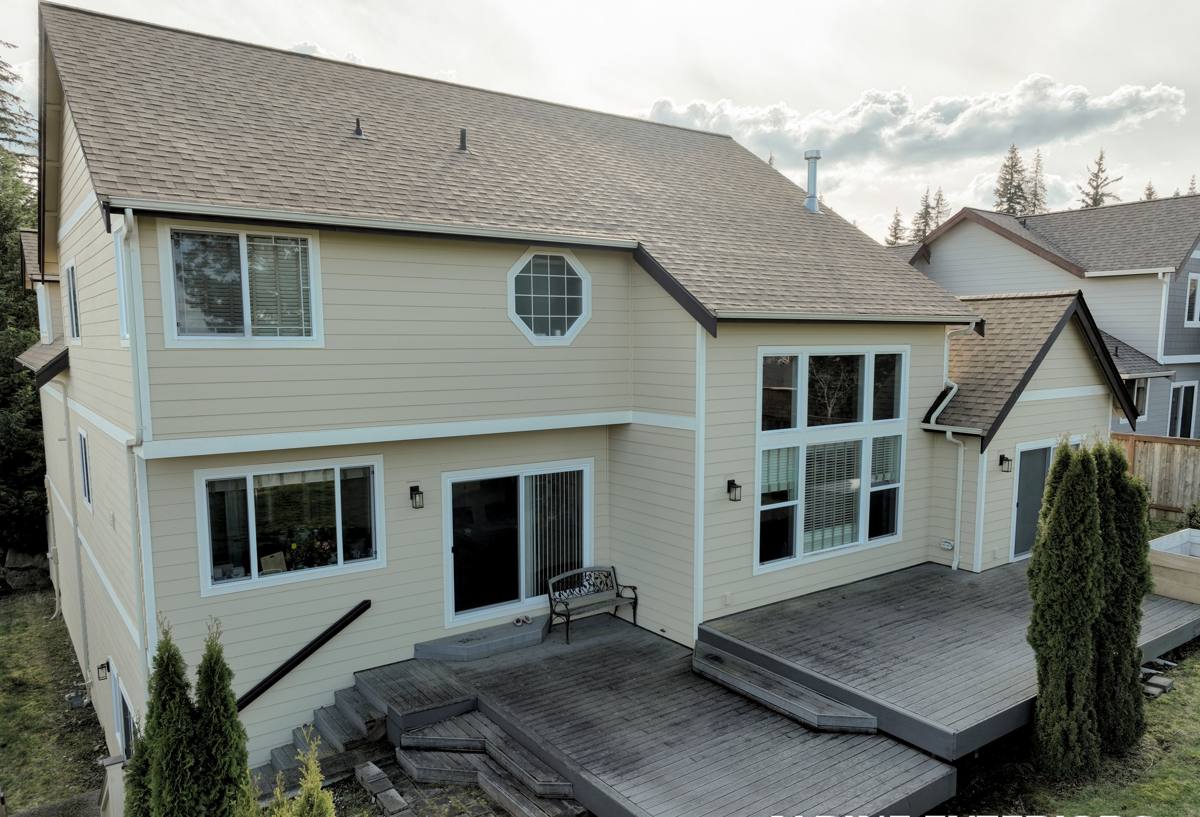
Historic Old Southeast sits close to the water, under a heavy tree canopy, on some of the oldest residential streets in St. Petersburg. The homes here are mostly bungalows and early 20th-century construction, and a lot of them carry decks and porches that were added or rebuilt decades after the original house went up. When a deck in this neighborhood starts to sag, split, or feel spongy underfoot, it's rarely one thing wrong — it's usually years of Gulf Coast weather working on wood and hardware that was never built to handle it. Replacing a deck here isn't just swapping old boards for new ones. It means building for the specific combination of sun, salt air, and storm exposure that this part of Pinellas County deals with every year.
Why the Climate Wears Decks Down Faster Here
St. Petersburg's location on Tampa Bay means every exterior structure, including decks, takes a heavier beating than the same structure would in a drier, cooler climate. A few things stack up against wood and hardware here specifically.
Year-Round UV Exposure
Florida sun is intense and nearly constant. UV breaks down the lignin in wood fibers, which is what causes graying, surface checking, and splintering on decking boards that aren't properly finished or maintained. Composite and PVC decking resist this better than wood, but even those products vary a lot in how they handle years of direct sun without fading or chalking.
Wind-Driven Rain and Humidity
Afternoon storms and hurricane-season weather don't just dump water straight down — wind pushes rain sideways, into joints, under boards, and behind ledger attachments. Combined with Pinellas County's humidity, that moisture doesn't dry out quickly. It sits in end grain, around fasteners, and at the ledger-to-house connection, which is where rot most often starts on an older deck.
Salt Air and Metal Corrosion
Old Southeast's proximity to Tampa Bay means salt air is a real factor even blocks from the water. Salt accelerates corrosion on fasteners, joist hangers, and other structural hardware. A deck built with standard interior-grade hardware can develop hidden rust at connection points years before the decking surface itself looks bad, which is part of why a deck can look fine on top and still not be structurally sound.
Signs a Deck in This Neighborhood Needs Replacement, Not Repair
Repair makes sense when the problem is isolated. Replacement makes sense when the deck's structure — not just its surface — has been compromised. Here's what tells us which category a deck falls into:
- Soft or spongy spots in the decking, especially near the house or stair landings
- Visible rot, splitting, or discoloration at the ledger board where the deck meets the house
- Rust staining running down from joist hangers, bolts, or nail heads
- Noticeable movement, bounce, or sway when walking across the deck or standing near the railing
- Posts that have shifted, cracked, or lost solid contact with their footings
- Gaps that have opened between boards well beyond normal seasonal movement
- A railing that flexes or feels loose when you lean on it
- A deck older than 15-20 years that has never had structural components inspected or replaced
If more than one or two of these apply, the framing underneath is usually the real issue, and patching the surface just delays a bigger problem.
Choosing Materials That Actually Hold Up Here
There's no single "best" decking material for every house in Old Southeast — it depends on the home's style, your maintenance appetite, and budget. What matters is understanding the real trade-offs instead of picking based on looks alone.
| Material | How It Handles This Climate | Maintenance | Best Fit |
|---|---|---|---|
| Pressure-treated pine | Affordable, but end grain and fastener points need vigilant sealing against wind-driven rain | Annual cleaning and re-sealing recommended | Budget-conscious projects, homeowners willing to maintain it |
| Tropical hardwood (e.g., ipe-type species) | Naturally dense and rot-resistant, handles humidity well | Periodic oiling to maintain color; can gray without it | Historic homes wanting a traditional wood look with better longevity |
| Composite decking | Resists rot and insects; UV and heat performance varies significantly by product line | Low; occasional washing | Homeowners who want a low-upkeep, wood-look surface |
| Capped PVC decking | Fully synthetic core resists moisture absorption; best UV and salt-air resistance of the group | Lowest; no sealing or staining | Long-term, low-maintenance replacement in coastal-exposed yards |
Whatever surface material you choose, we treat it as separate from the structural decision. A beautiful composite deck built on undersized or poorly fastened framing will fail structurally long before the boards themselves wear out.
What a Correct Deck Replacement Actually Involves
The surface boards are the part everyone sees, but the parts that determine whether a deck lasts are underneath and at the connections.
Framing and Footings
We size joists, beams, and footings to the actual load and span, not just to match what was there before. A lot of older Old Southeast decks were built to whatever standard was common decades ago, which doesn't always match current expectations for spacing and support, especially for larger decks or ones carrying furniture, grills, or hot tubs.
Fasteners and Hardware
Given the salt air this neighborhood deals with, we use corrosion-resistant fasteners and structural connectors rated for coastal exposure rather than standard interior-grade hardware. This is one of the most overlooked details in deck construction — it's invisible once the deck is finished, but it's often the first thing to fail.
Ledger Attachment and Flashing
The ledger board connection to the house is the single most common failure point on decks in humid, storm-prone climates. Proper flashing keeps wind-driven rain from tracking behind the ledger and into the house's rim joist. We treat this connection as a critical structural and moisture-management detail, not an afterthought.
Permitting and Code Compliance
Deck replacement in St. Petersburg and Pinellas County typically requires a permit, and the structural requirements are there for a reason — they account for wind load in a hurricane-exposed area. We handle the permitting process as part of the job so the finished deck is inspected, documented, and built to what current code requires.
Working Within a Historic Neighborhood's Character
Old Southeast has a distinct look — older bungalow and early 20th-century architecture, mature tree canopy, and a lot of homes where the deck or rear porch is a visible extension of the house's original style. Replacing a deck here isn't just an engineering exercise; it's also about railing profiles, board orientation, and finish choices that fit the house rather than looking like an obvious bolt-on addition. We talk through those choices with homeowners up front, since a deck that's structurally correct but visually out of place still isn't the right outcome for a home in this kind of neighborhood.
How Our Deck Replacement Process Works
- On-site assessment. We inspect the existing deck's framing, ledger connection, footings, and hardware to determine what's driving the failure, not just what's visible on the surface.
- Honest scope and material discussion. We walk through material options, cost ranges, and maintenance trade-offs based on your home and how you actually use the deck.
- Permitting. We prepare and submit what's required for St. Petersburg/Pinellas County permitting before demolition starts.
- Removal. The old deck comes out, including hardware and footings that aren't being reused, so the new structure isn't built on compromised components.
- Structural rebuild. Framing, footings, ledger flashing, and corrosion-resistant hardware go in first, sized for the deck's actual use and local wind exposure.
- Decking and railing installation. Surface material and railing go on to the agreed specification, with attention to how it reads against the house's existing style.
- Final walkthrough and inspection. We confirm the work passes required inspections and walk the finished deck with you before considering the job done.
What Drives the Cost of a Deck Replacement
| Factor | Why It Matters |
|---|---|
| Deck size and footprint | More square footage means more framing, footings, and decking material |
| Decking material chosen | Pressure-treated, hardwood, composite, and PVC all carry different material costs and labor time |
| Height and stairs | Elevated decks and multi-level stairs require more structural support and railing code compliance |
| Existing structural condition | Rotted footings or a compromised ledger connection add rebuild scope beyond the visible deck |
| Railing and finish details | Custom railing profiles or trim work that match a historic home's style add labor time |
We give homeowners a real, itemized number after the on-site assessment rather than a rough guess over the phone — too much of the cost depends on what we find under the existing boards.
Why a Crew That Already Works This Neighborhood Matters
Old Southeast has enough particular conditions — older framing standards, mature tree root systems near footings, proximity to the bay, historic-style architecture — that experience in this specific neighborhood shows up in the finished work. A crew that's already replaced decks on these streets knows what condition to expect under a 1940s or 1950s addition, how to route drainage around established landscaping, and how to build something that looks right on a historic bungalow instead of like a generic add-on. That local familiarity, paired with construction built for Tampa Bay's wind, UV, and salt air, is what keeps a replacement deck solid for years instead of needing attention again in a season or two.
If your deck in Historic Old Southeast is showing soft spots, rust stains, or general age, we're glad to take a look and give you a straight answer on repair versus replacement. Request a free, no-pressure estimate using the form below and we'll schedule a time to assess your deck in person.