 St. Petersburg Siding
 Siding That Respects an Older Neighborhood's Character
Historic Old Southeast sits close enough to Tampa Bay that its homes take the full brunt of Pinellas County's coastal climate, while also carrying an architectural character that a lot of newer St. Petersburg neighborhoods don't have. Many of the homes here are decades old, with narrow lap reveals, detailed trim, and proportions that were never designed around the wide panels or thick trim boards that dominate modern siding products. Re-siding one of these homes isn't just a maintenance job — it's a decision that affects how the house reads on the street for the next several decades.
That combination — an aggressive coastal climate plus a neighborhood where curb appeal and historical proportion genuinely matter — is exactly why we treat Historic Old Southeast as its own project type, not a generic siding job we happen to do in St. Petersburg.
What the Climate Actually Does to Siding Here
Homes near the water in St. Petersburg deal with a specific combination of stresses that inland siding installers don't design around as carefully:
- Hurricane-force wind: Every storm season, siding here has to survive sustained high wind and wind gusts that can pull at loose panels, work fasteners out of their holes, and drive water behind anything that isn't sealed correctly.
- Wind-driven rain: It's not just how much rain falls — it's the angle it hits the wall at. Wind-driven rain gets pushed sideways and even upward under panels, which is why lap spacing, flashing, and house wrap matter more here than in a calmer climate.
- Intense, year-round UV: Florida sun is relentless twelve months a year, not just in summer. UV breaks down pigments and surface coatings steadily, which is the main reason paint jobs and lower-grade siding finishes fade, chalk, and need repainting on a short cycle.
- Salt air: Even a few miles from the water, airborne salt accelerates corrosion on fasteners, flashing, and any metal component in the wall assembly, and it degrades some coatings faster than inland exposure would.
None of these stresses are unique to Historic Old Southeast — they apply across the St. Petersburg and greater Tampa Bay area — but older homes in established neighborhoods often have decades of accumulated moisture history, prior repairs, and original wall assemblies that weren't built with today's wind and moisture standards in mind. That history matters when we're deciding how to detail the job.
Why Fiber Cement Is the Right Material for This Neighborhood
We install James Hardie fiber cement siding exclusively, and in a neighborhood like this one, the reasons go beyond durability:
It holds a period-appropriate profile
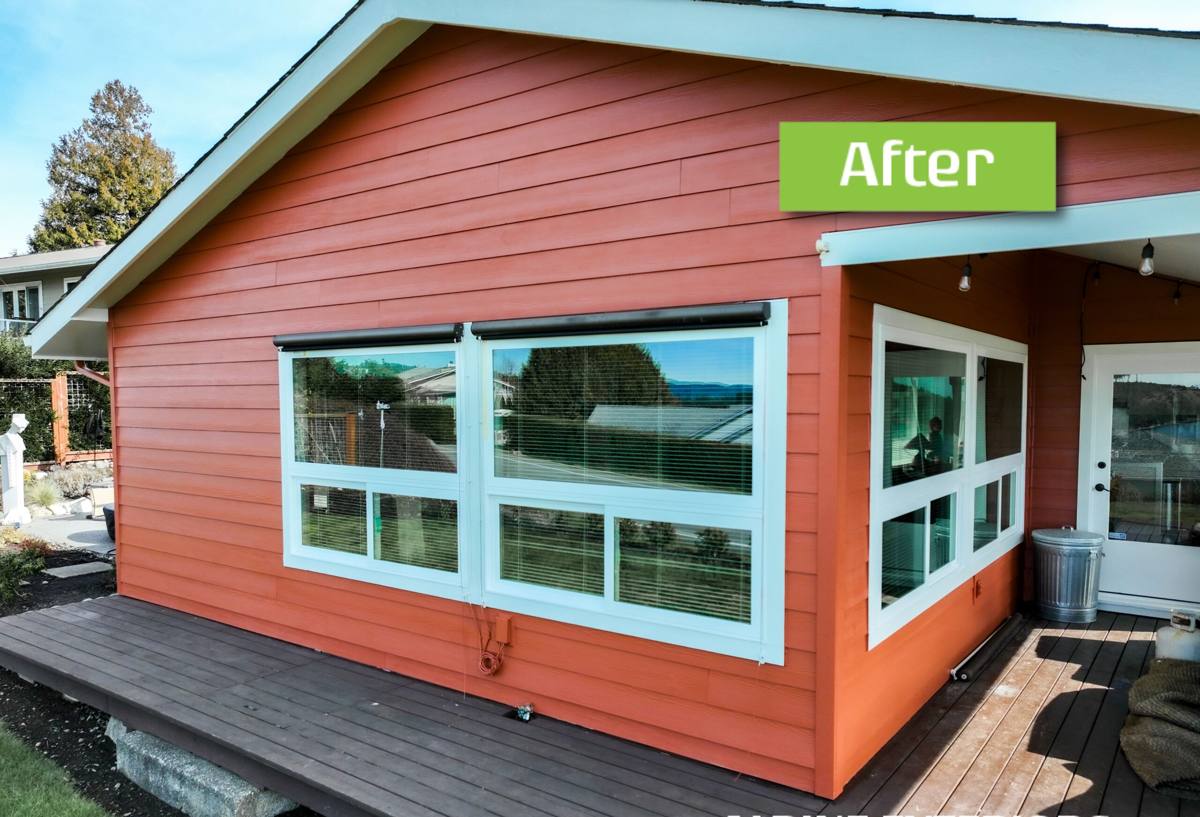
James Hardie's HardiePlank lap siding comes in narrow exposure options that can match the tighter reveals common on older Florida homes, rather than forcing a wide, modern-looking board onto a house with traditional proportions. Trim profiles, corner boards, and soffit details can be matched in fiber cement and trim board products so the finished look stays consistent with the home's original character instead of looking like an obvious modern retrofit.
It's engineered for exactly this climate
James Hardie makes climate-specific HZ product lines, and the Gulf Coast region — including Pinellas County — falls into the HZ5 climate zone, which is engineered around high humidity, heavy rain exposure, and warm, wet conditions. That's a meaningfully different product than what gets installed in a dry inland climate.
It's non-combustible
Fiber cement doesn't burn, which matters on any Florida home but carries extra weight on older, closely-spaced lots where a neighbor's structure or brush fire could otherwise put a combustible-sided house at risk.
The factory finish does the work UV would otherwise undo
ColorPlus finish is baked on at the factory under controlled conditions, rather than painted on site. That finish is engineered specifically to resist the fading and chalking that intense, year-round Florida UV causes on field-applied paint. It's a major reason we don't install products that depend on a site-applied primer-and-paint finish to look right five years down the road.
How Fiber Cement Compares to Other Common Options
| Factor | Fiber Cement (James Hardie) | Vinyl Siding | Wood / Engineered Wood |
|---|---|---|---|
| Wind performance | Engineered and tested for high-wind regions, rigid installation | Can deform, crack, or blow off in sustained high wind | Solid when new, but fastening loosens as wood moves with humidity |
| Moisture / rot behavior | Cement-based, doesn't rot; still needs correct flashing and gaps | Doesn't rot itself, but traps moisture behind it if installed wrong | Prone to swelling, rot, and pest damage in humid, wet climates |
| UV / color stability | Factory-baked ColorPlus finish resists fading | Color is through-body but can chalk and fade in strong sun | Field-applied paint fades and needs repainting on a short cycle |
| Fire performance | Non-combustible | Combustible, can melt or deform near heat | Combustible |
| Historic/period profile options | Narrow-reveal lap and trim options available | Limited profile realism, seams read as plastic up close | Authentic profile, but highest long-term maintenance |
What a Correct Installation Actually Involves
Fiber cement siding is only as good as the wall assembly underneath it. In a wind-driven-rain climate, most siding failures we get called to diagnose trace back to installation shortcuts, not the material itself. A correct job on a home in this neighborhood includes:
- Full tear-off and substrate inspection — checking sheathing for prior water damage before anything new goes on, especially important on older homes with unknown repair history.
- Weather-resistant barrier installed and lapped correctly, shingle-style, so water is directed out and down rather than trapped behind the siding.
- Correct flashing at every window, door, roofline, and penetration — this is the single most common place we find prior failures on older re-siding jobs.
- Manufacturer-specified fastener pattern and type, sized and spaced to hold through sustained hurricane-force wind rather than just meeting a minimum code check.
- Proper clearances and gaps at the bottom of the wall, around trim, and at butt joints, sized to Hardie's written specifications so the material can handle Florida's moisture cycles without trapping water.
- Sealed and caulked joints only where the manufacturer specifies — over-caulking is a common mistake that traps moisture instead of releasing it.
Skipping or rushing any one of these steps is how a good product ends up with a bad reputation. It's also why the installer matters as much as the brand.
Our Process for Historic Old Southeast Homes
Because we work in this part of St. Petersburg regularly, our process for a home here looks a little different than a generic siding quote:
- On-site assessment of the existing siding, trim, and any visible moisture or storm damage before we ever talk product.
- Profile and trim matching so the finished home keeps its original proportions rather than looking mismatched with neighboring houses.
- Substrate check during tear-off, with photos and a straight explanation if we find anything unexpected underneath — no surprise change orders without showing you why.
- Manufacturer-spec installation for fastening, flashing, and clearances, not a generalized "good enough for most climates" approach.
- Final walkthrough covering warranty registration and what basic upkeep looks like going forward.
What Drives the Cost of a Project Like This
| Cost Factor | Why It Matters Here |
|---|---|
| Amount of tear-off / substrate repair | Older homes more often need sheathing or framing repair discovered mid-project |
| Trim and profile complexity | Matching period-appropriate narrow reveals and detailed trim takes more labor than a plain modern elevation |
| Home size and wall complexity | Dormers, bump-outs, and multiple roof planes add flashing detail and labor time |
| Product line and finish selection | HardiePlank, HardieShingle, and trim/accent combinations price differently |
| Access and site conditions | Mature landscaping and tight older lots common in this neighborhood can affect staging and labor |
We won't quote a project sight unseen, and we're upfront if we think a number being thrown around online is unrealistic for your specific house.
Why Local Experience in This Neighborhood Matters
A crew that has already worked on homes in Historic Old Southeast has a real advantage over one seeing this kind of house for the first time. We know what these older wall assemblies tend to look like once the old siding comes off, what trim details typically need to be replicated, and how the neighborhood's homes generally handle wind and rain exposure this close to the water. That's not a substitute for inspecting your specific home — every house has its own history — but it means fewer surprises and a faster, more accurate estimate.
It also means we're not learning Pinellas County's climate demands on your house. Hurricane-resistant fastening, correct flashing for wind-driven rain, and a finish that holds up to year-round UV and salt air aren't optional upgrades here — they're the baseline for doing the job right the first time.
Maintenance Checklist for Fiber Cement Siding in This Climate
- Rinse siding periodically to clear salt residue and general grime, especially on sides of the home facing prevailing wind.
- Walk the exterior after major storms and check for loose trim, gaps at joints, or visible impact damage.
- Keep an eye on caulking at windows, doors, and trim intersections — replace it if it cracks or separates.
- Trim back vegetation that stays in constant contact with siding, which can trap moisture against the surface.
- Address any signs of water staining or soft trim quickly rather than waiting for a full inspection cycle.
If your home in Historic Old Southeast is due for new siding, we're happy to take a look and give you a straight, no-pressure estimate — what we'd recommend, why, and what it would take to do it correctly on your specific house. There's no obligation, just a real answer from a crew that already works in this neighborhood.