 St. Petersburg Siding
 Siding Built for an Older St. Petersburg Neighborhood
Historic Old Southeast is one of the older residential pockets in St. Petersburg, and the homes here reflect it. Many were built decades before today's building codes, wind-load requirements, and moisture-barrier standards existed. That's part of what gives the neighborhood its character — but it also means the siding on these homes is often doing more work than it was ever designed to handle, especially after years of Pinellas County's climate.
St. Petersburg sits in a hurricane-exposed part of the Gulf Coast. Homes in Historic Old Southeast deal with the same combination of stresses as the rest of the city: hurricane-force wind gusts that test every fastener and seam, intense year-round UV that breaks down paint and cheaper siding materials from the outside in, wind-driven rain that gets pushed sideways into wall assemblies during storms, and salt-laden air off Tampa Bay that accelerates corrosion and material breakdown even on homes that aren't waterfront. On an older home, decades of that exposure compounds — original siding, or a prior replacement that wasn't installed to current standards, is usually well past the point of just needing paint.
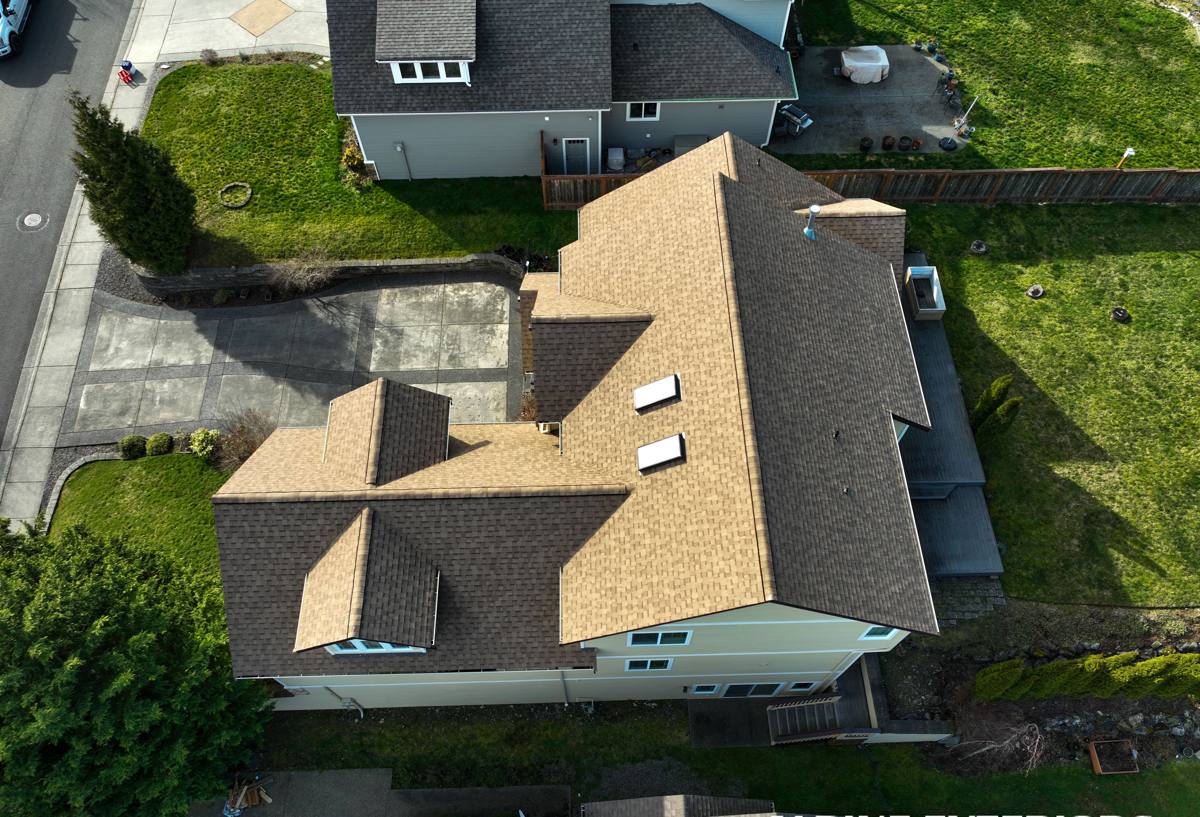
What's Different About Siding Work in This Neighborhood
Working in Historic Old Southeast isn't the same as siding a newer subdivision home. A few things come up here more often than elsewhere in the city:
- Older wall assemblies. Original framing, sheathing, and window/door openings on a home this age often don't match modern dimensions exactly, which affects trim and flashing details.
- Layered repairs. It's common to find a home that's had one or more prior siding jobs over the original material, sometimes without removing what came before — which can hide rot or moisture damage until the old layers come off.
- Neighborhood character. Homeowners here generally want the finished look to fit the block — trim reveals, board profiles, and color choices that read as "this house belongs here," not an obviously modern retrofit.
- Local review. Depending on the specific property, there may be city or neighborhood guidelines that apply to exterior changes. It's worth checking with the City of St. Petersburg before work begins if you're unsure whether your home falls under any such review.
None of this makes the job harder in a bad way — it just means it needs to be planned for, not treated like a standard tract-home re-side.
Why We Install Only James Hardie Fiber Cement
We don't install vinyl, LP SmartSide, Cemplank, Allura, or primed wood siding — not because those products don't have a place in the market, but because after years of doing exterior work on the Gulf Coast, James Hardie fiber cement is the only product we're willing to put our name behind here. On an older, storm-exposed home in Pinellas County, the differences matter:
| Concern | Why It Matters Here |
|---|---|
| Combustibility | Hardie fiber cement is non-combustible, which matters in a dense older neighborhood where homes sit closer together than newer developments. |
| Moisture behavior | Fiber cement doesn't swell, rot, or delaminate the way wood-based or some engineered wood products can when exposed to wind-driven rain and humidity year after year. |
| UV and finish stability | Hardie's factory-applied ColorPlus finish is baked on and warranted against fading, holding up to Florida's UV exposure far better than field-applied paint on other materials. |
| Salt air resistance | Fiber cement doesn't corrode, and it resists the kind of surface breakdown that salt-laden coastal air accelerates on lesser materials. |
| Wind performance | Hardie's HZ5 product line is engineered for high-wind, high-moisture climate zones like ours, and performs correctly only when installed to Hardie's fastening and clearance specs. |
The trade-off is that Hardie is heavier and less forgiving to install than vinyl or engineered wood — it has to be cut, fastened, and flashed correctly, or you lose the performance you paid for. That's exactly why installation quality matters as much as the product choice.
What a Correct Installation Actually Involves
A siding job that looks fine from the curb can still be wrong underneath — and on an older home, what's underneath is often the real issue. A correct installation on a Historic Old Southeast home includes:
- Full removal of old siding and inspection of the sheathing and framing underneath for rot, water damage, or pest issues before anything new goes up
- Repair or replacement of any compromised sheathing — covering over damaged substrate is one of the most common shortcuts we see on older homes
- A continuous, correctly lapped weather-resistant barrier, since a single gap is where wind-driven rain finds its way in during a storm
- Proper flashing at every window, door, and roofline intersection — these transition points are where most long-term leaks start
- Correct fastener type, spacing, and placement per James Hardie's published installation instructions for our wind zone
- Minimum clearance maintained between the siding's bottom edge and grade, decking, or roofing to prevent wicking moisture
- Factory-finished ColorPlus boards field-cut and touched up per Hardie's specifications to preserve the finish warranty
Skip any one of these steps and you can end up with siding that looks right for a year or two and then fails from the inside — often not covered by warranty because the installation, not the product, was the problem.
Matching the Look of the Neighborhood
Part of doing this job well in Historic Old Southeast is getting the finished appearance right, not just the performance. James Hardie's lap siding, board-and-batten, and trim profiles can be configured to echo the reveal and proportions of older wood siding, and the ColorPlus palette includes a range of finishes that work with the muted, traditional color schemes common on older Florida homes. We talk through board width, trim detail, and color with every homeowner before ordering material — the goal is a home that reads as well-maintained and true to its era, not retrofitted.
Our Process
- On-site assessment. We walk the exterior, check for soft spots, prior repairs, and moisture issues, and take measurements.
- Written estimate. You get a clear scope covering removal, substrate repair allowances, product line, color, and trim details — no vague line items.
- Substrate work. Old siding comes off, damaged sheathing gets repaired or replaced, and the wall assembly is brought back to a solid, dry condition.
- Weather barrier and flashing. Installed continuously and correctly at every penetration and transition before a single board goes up.
- Hardie installation. Boards, trim, and accessories installed to manufacturer spec for our wind zone.
- Final walkthrough. We review the finished work with you and confirm everything matches what was scoped.
Cost Factors Homeowners in This Neighborhood Should Expect
| Factor | Why It Affects Price |
|---|---|
| Substrate condition | Older homes more often need sheathing repair once old siding comes off — this is usually the biggest variable |
| Home size and wall complexity | More corners, gables, and window/door openings mean more cutting, flashing, and labor time |
| Siding profile | Lap siding, board-and-batten, and shingle-style panels carry different material and labor costs |
| Trim scope | Matching a historic trim profile closely often adds detail work compared to a standard modern trim package |
| Access | Tight lot lines and mature landscaping common in older neighborhoods can slow staging and material handling |
We don't quote off square footage alone — every estimate reflects what we actually find on your specific home.
Why It Matters That We Already Work This Neighborhood
A crew that regularly works Historic Old Southeast has already seen how homes of this age and construction type in this part of St. Petersburg tend to be built, what kind of hidden issues typically show up once old siding comes off, and how to keep a finished job looking like it belongs on the street rather than like an obvious modern addition. That familiarity shows up in fewer surprises mid-project and a finished result that fits the home and the block.
What to Ask Before Hiring a Siding Contractor Here
- Will they remove and inspect the existing siding, or install over it?
- Do they carry Florida licensing and insurance, and will they provide proof?
- Do they install to James Hardie's published specifications for our wind zone?
- How do they handle sheathing repair if it's found once old siding comes off?
- Can they show you trim and profile options that fit an older home's proportions?
- What does the written estimate include, and what would trigger a change order?
If your Historic Old Southeast home needs new siding — or you're not sure whether what's on it now is actually still doing its job — we're happy to take a look. Estimates are free, there's no pressure, and you'll get a straight answer about what your home actually needs.