 St. Petersburg Siding
 Siding Repair for Historic Old Southeast: What Makes This Neighborhood Different
Historic Old Southeast sits close enough to the water that its homes take a different kind of beating than houses further inland. Salt-laden air moves through the neighborhood year-round, the sun is intense and nearly constant, and when storms roll through Pinellas County, this part of St. Petersburg is squarely in the path of hurricane-force winds and wind-driven rain. Add in the age of many homes in this area — older framing, older trim details, and in many cases siding that has already been patched, painted, or partially replaced over the decades — and you get a repair job that requires more judgment than a straightforward tract-home fix.
Siding repair here isn't just about matching a color or covering a hole. It's about understanding how a specific wall assembly has aged, what's actually happening behind the siding, and how to make a repair that will hold up to the next decade of Gulf Coast weather rather than just the next inspection.
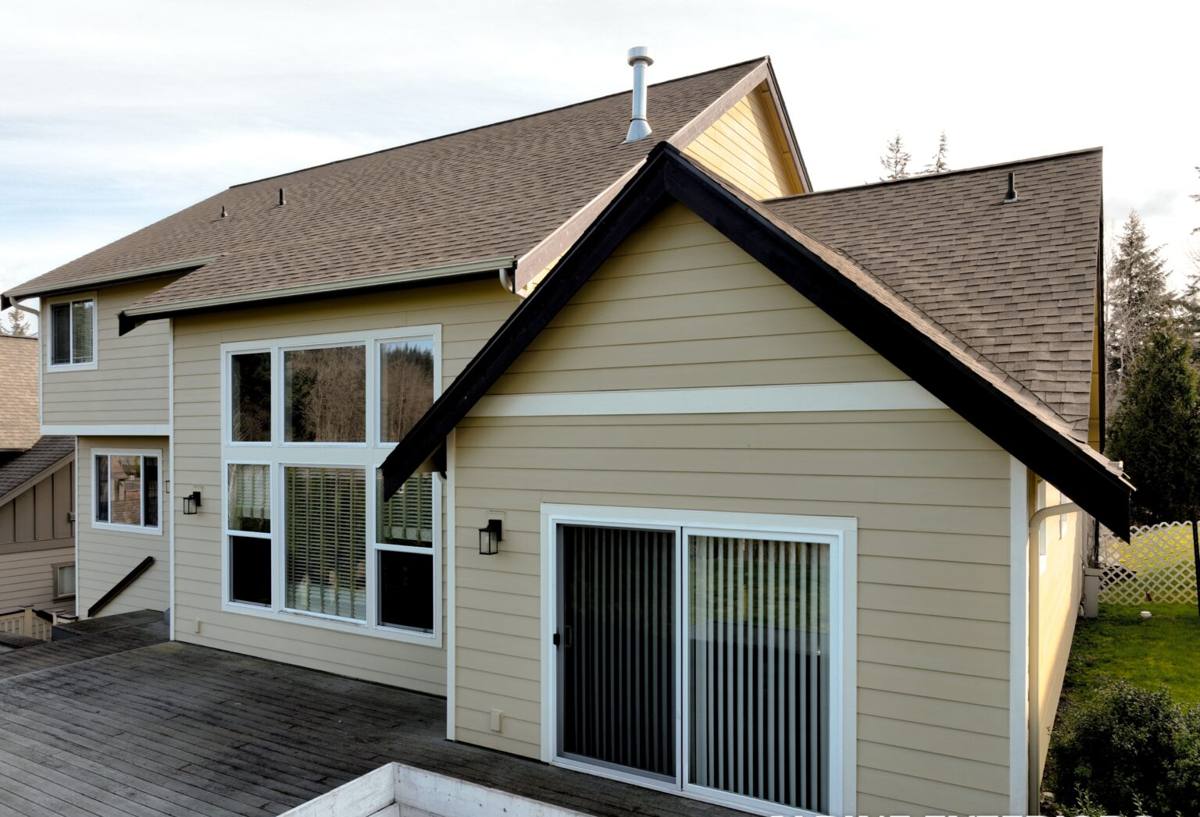
Why Siding Fails Faster in This Part of St. Petersburg
Salt Air and Moisture
Proximity to the water means airborne salt settles on exterior surfaces constantly. On top of accelerating corrosion of fasteners, trim, and flashing, salt air holds moisture against the siding surface longer than it would inland, which is exactly the condition that lets rot, mold, and coating failure take hold behind and around damaged panels.
UV Exposure
Florida sun is hard on any exterior material, and St. Petersburg gets more sun-hours than most of the country. UV breaks down paint film, dries out caulk and sealant joints, and — on wood and lower-grade composite products — accelerates surface checking and warping. A repair patch installed with the wrong prep or a mismatched finish will visibly weather at a different rate than the surrounding siding within a year or two.
Wind-Driven Rain and Storm Events
Pinellas County sees direct hurricane and tropical storm impacts, and even a glancing storm can drive rain sideways into lap joints, butt seams, and any gap where old caulk has failed. That's often how a small, cosmetic-looking crack or gap turns into hidden rot damage that isn't visible until the siding is opened up.
Signs Historic Old Southeast Homeowners Should Watch For
Because many homes in this neighborhood have siding of varying ages and materials, damage doesn't always look dramatic. Some of the most common warning signs we see on repair calls in this area include:
- Soft or spongy spots when pressed, especially near the bottom courses close to grade or planting beds
- Visible gaps, cracking, or separation at butt joints and corner trim
- Peeling or bubbling paint in a localized area rather than across the whole wall
- Dark staining or streaking below a specific joint or seam, suggesting water is tracking through
- Panels that flex, rattle, or feel loose to the touch, indicating failed fasteners or a compromised substrate
- Visible impact damage from storm debris, ladders, or landscaping equipment
- Warping or bowing on wood or older composite siding, particularly on sun-facing walls
Any one of these on its own might be a simple, contained repair. Several of them together, especially clustered around the same wall or elevation, usually mean there's moisture intrusion that needs to be traced back to its source before any new siding goes up.
What a Correct Repair Actually Involves
Diagnosing Before Patching
The most common mistake in siding repair isn't the patch itself — it's skipping the diagnosis. Covering a damaged section without finding out why it failed just hides the problem for a season or two. A proper repair starts with pulling back the affected siding, checking the house wrap or building paper underneath, inspecting the framing or sheathing for soft spots, and confirming that flashing at windows, doors, and penetrations is doing its job.
Matching Existing Siding
On an older home, especially one in a historic neighborhood, matching the existing reveal, profile, and trim detail matters. A repair that's technically sound but visually mismatched stands out and can affect curb appeal on a street where a lot of homes have real architectural character. We factor in existing profile width, corner treatment, and paint sheen when planning a patch, not just when replacing a full elevation.
Flashing and Water Management
Most siding failures in coastal climates trace back to water management, not the siding material itself. That means proper flashing above windows and doors, correct overlap at butt joints, weep paths where they're needed, and sealant used only where it belongs — not as a substitute for correct flashing. Getting this right is what keeps wind-driven rain from finding its way behind the wall again.
Fastening for Wind Resistance
Given the wind exposure in this part of St. Petersburg, fastener spacing and type matter more here than they would in a low-wind-zone market. Repairs are fastened to match manufacturer wind-load specifications, not just "close enough" to the surrounding panels.
Common Siding Materials We Find on Older Homes in This Area
Homes in established St. Petersburg neighborhoods have been re-sided, patched, and painted over many decades, so it's common to find more than one material on the same house. Here's how we approach repair depending on what's already there:
| Existing Material | Common Issues in This Climate | Our Repair Approach |
|---|---|---|
| Original wood lap siding | Rot at joints and low courses, UV-driven checking, repeated repainting | Repair sound sections where possible; recommend Hardie board-matched replacement where rot has spread |
| Older vinyl siding | Warping/melting from heat and sun reflection, brittle cracking, fading | Patch or panel-replace where the product is still available; discuss full Hardie conversion for long-term reliability |
| Earlier-generation fiber cement | Edge swelling if end cuts weren't sealed, caulk failure at joints | Cut back to sound material, reseal properly, tie in with matching Hardie profile |
| Stucco or stucco-adjacent sections | Cracking at siding-to-stucco transitions, water intrusion at the seam | Address the transition detail and flashing, not just the crack |
Where a repair is contained and the surrounding siding is sound, we repair. Where damage is widespread, hidden rot has already spread, or the existing material is at the end of its practical life, we'll tell you honestly and lay out what a partial or full re-side with Hardie would look like — no pressure either way.
Our Repair Process
- On-site assessment. We inspect the damaged area and the surrounding wall, checking for signs the problem extends further than what's visible.
- Open and inspect. Where needed, we pull back siding to look at the sheathing, house wrap, and framing before deciding on scope.
- Address the root cause. Flashing, sealant, and water paths get corrected — not just covered.
- Repair or replace the affected material. Matched to existing profile and reveal wherever we're patching rather than re-siding the full wall.
- Finish and blend. Paint or factory-finished panels are matched as closely as possible so the repair doesn't stand out.
- Final walkthrough. We show you what we found, what we fixed, and what to watch going forward.
Why We Only Repair and Replace With James Hardie
When a repair calls for new siding material rather than patching what's there, we use James Hardie fiber cement exclusively. In a climate like St. Petersburg's — hurricane-force wind events, constant UV, and salt air — that choice matters. Hardie's HZ5 product line is engineered specifically for high-humidity, storm-prone climates like ours. It's non-combustible, resists moisture-related swelling and rot far better than wood, and the ColorPlus factory finish is baked on under controlled conditions, so it holds color and resists the fading that field-applied paint struggles with under intense Florida sun.
We don't install vinyl, LP SmartSide, Cemplank, Allura, or primed wood siding, and that's a deliberate standard, not an oversight. Each of those products has real strengths, but in our experience they carry trade-offs — heat sensitivity, moisture vulnerability, more frequent maintenance, or less robust warranty coverage — that we don't think hold up as well to this specific climate over the long run. When a repair job turns into a replacement decision, we'd rather recommend the product we're confident will still be doing its job in twenty years.
Why a Crew That Already Works Historic Old Southeast Matters
Repair work on an older home rewards familiarity. A crew that regularly works in this neighborhood already has a feel for the kinds of siding, trim details, and construction quirks common to homes of this era in St. Petersburg. That means fewer surprises once the siding comes off, faster accurate diagnosis, and repairs that are matched thoughtfully rather than guessed at. It also means we're not learning the local climate's effect on siding on your dime — we've already seen how salt air, sun, and storm exposure play out on homes like yours.
Simple Maintenance Steps Between Repairs
- Rinse siding periodically to clear salt residue, especially on sun-facing and street-facing walls
- Re-caulk joints and trim seams before they visibly fail, not after
- Trim landscaping back from siding to reduce trapped moisture and physical contact damage
- Inspect after major storms for loose panels, new gaps, or impact damage
- Address small paint failures early — they're a warning sign, not just a cosmetic issue
Getting a Straight Answer on Your Siding
Not every damaged section needs full replacement, and not every "quick patch" is actually a good long-term fix. We'll give you an honest read on which one your home actually needs. If you're noticing damage, gaps, or soft spots on your siding in Historic Old Southeast, we're happy to take a look and walk you through what we find — no pressure, no upsell. Reach out below for a free, no-obligation estimate.