 St. Petersburg Siding
 Siding Historic Old Southeast Homes the Right Way
Old Southeast is one of St. Petersburg's older, more established neighborhoods, and homes there carry a different set of siding problems than a subdivision built in the last decade. Many of these houses have been through multiple re-sides already — wood clapboard that gave way to an early-generation composite, or vinyl that was bolted on over original siding decades ago without much thought for what was underneath. When we go out to bid a job in this part of Pinellas County, we're rarely starting with a blank slate. We're usually dealing with older framing, uneven wall planes, trim details that don't match anything sold today, and at least one layer of siding history to work around.
That context matters. A siding job on an older Old Southeast home isn't just a materials swap — it's a chance to fix what the last install got wrong, and to put something on the house that will actually hold up to another few decades of St. Petersburg weather. We install James Hardie fiber cement exclusively, and on a historic-adjacent home, that choice does real work: it's non-combustible, it doesn't rot, and it takes paint and factory finishes in a way that reads as authentic to an older house rather than slapped-on and modern-looking.
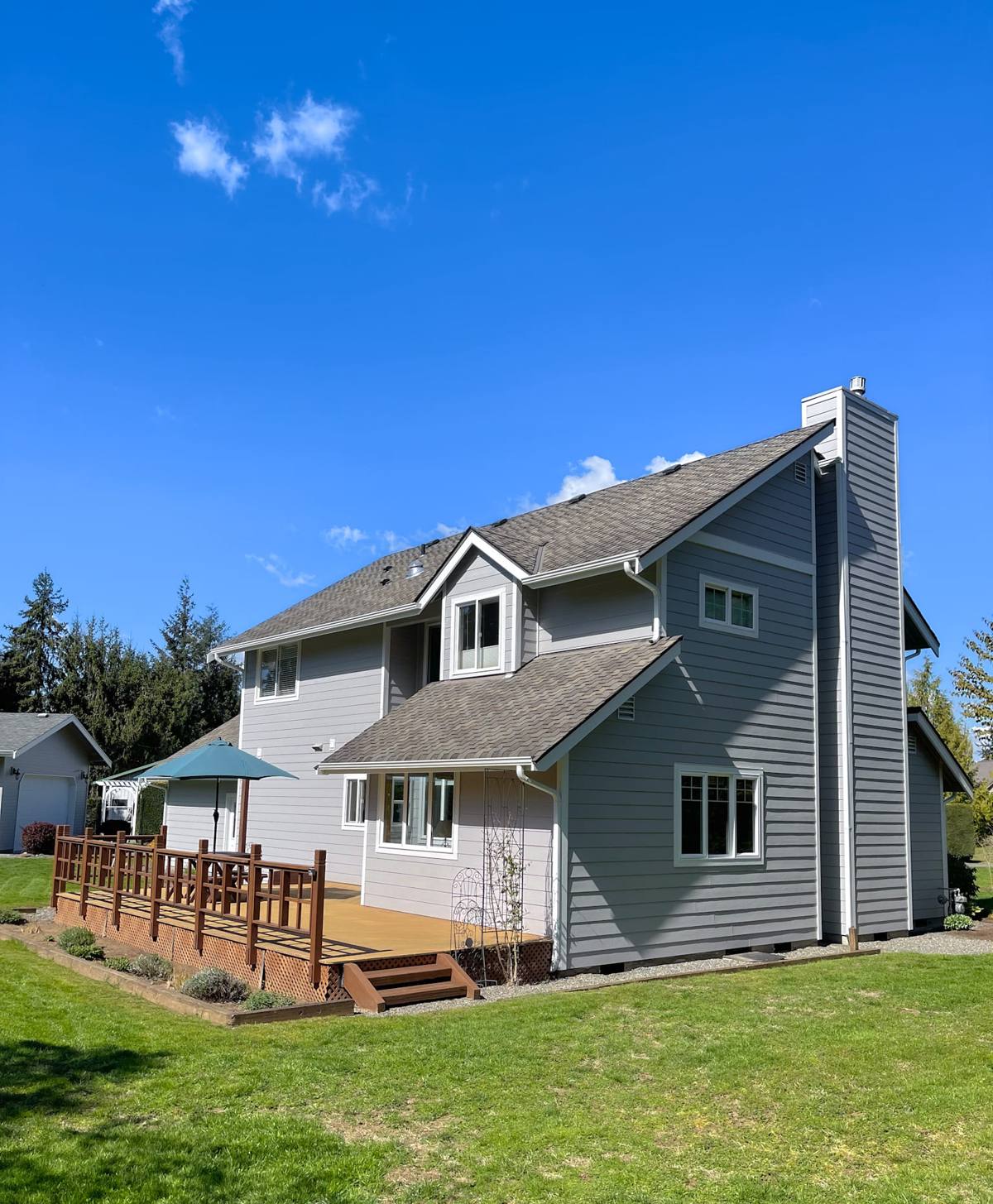
What St. Petersburg's Climate Does to Older Siding
Pinellas County sits in a tough spot for exterior materials, and older homes in Old Southeast — many built before modern wind-load codes and moisture standards existed — tend to show the damage first.
- Hurricane-force wind: Older siding systems, especially wood lap and early vinyl, were often installed with fastening patterns that don't meet today's wind-resistance expectations. In a named storm, that's where panels start peeling.
- Year-round UV: St. Petersburg gets more sun than almost anywhere in the continental U.S. Painted wood chalks and fades fast under that kind of exposure, and older paint jobs on historic-style trim rarely age evenly.
- Wind-driven rain: Thunderstorms here don't fall straight down — they come in sideways. On an older home, gaps around trim, windows, and butt joints that were fine in 1975 are often no longer sealing the way they should.
- Salt air: Old Southeast isn't right on the water, but it's close enough that airborne salt accelerates corrosion on fasteners, flashing, and any metal trim components over the years.
Put those four together and you get the pattern we see constantly on older Old Southeast homes: siding that looks fine from the street but is soft, cracked, or pulling away once you get close, with moisture damage building behind it that the homeowner hasn't seen yet.
Why Fiber Cement Fits an Older Home Better Than the Alternatives
We only install James Hardie, and we tell every Old Southeast homeowner exactly why, because on an older house the trade-offs are sharper than on new construction.
Vinyl siding is cheap and easy to install, which is part of why so much of it ended up on older homes here over the years. But it expands and contracts in Florida heat, it can warp or melt near grills and reflective window glass, and it doesn't hold trim details — the kind of shadow lines and dimensional look that older, character-driven homes usually want — anywhere near as well as fiber cement. LP SmartSide, primed spruce, and cedar are all wood-based products at their core, and wood-based siding in a hot, humid, storm-exposed county is a long-term moisture and maintenance commitment even when installed correctly. On a home that's already had one or two rounds of siding history, we don't think it makes sense to add another wood-based product into the mix.
James Hardie fiber cement doesn't rot, doesn't attract termites, and doesn't burn — it's non-combustible, which matters on older, tighter-packed residential streets. The ColorPlus factory finish is baked on under controlled conditions, so it holds color far more evenly under intense UV than field-applied paint, and it comes backed by a strong transferable warranty on both the substrate and the finish. For a house that's meant to look established and well-kept for another 30-plus years, that's the material that gets us there.
What a Correct Installation Involves
The materials only do their job if the installation is done right, and on an older home that starts before a single piece of siding goes up.
Assessing what's underneath
On a historic-adjacent Old Southeast home, we don't just strip and replace. We check the sheathing and framing for rot, soft spots, or old moisture damage that previous siding layers may have been hiding. Any compromised wood gets addressed before we move forward — covering it up with new siding just resets the clock on the same problem.
Weather-resistive barrier and flashing
A correct water-management plane behind the siding is what actually keeps wind-driven rain out of the wall assembly. That means a properly lapped weather-resistive barrier and correctly integrated flashing at every window, door, and trim intersection — the details that are easy to shortcut and hard to inspect once the siding is up.
Fastening for wind exposure
We fasten to James Hardie's published specifications for this wind zone, not generic guidelines. That includes fastener type, spacing, and embedment — the difference between siding that stays put in a tropical storm and siding that peels off panel by panel.
Matching the home's character
Old Southeast has a range of architectural styles, and older homes often have trim widths, reveal spacing, and corner details that don't match a modern subdivision build. We select HardiePlank exposure widths, trim profiles, and accessory details that respect the house's existing proportions rather than forcing a generic modern look onto an older frame.
Our Process for an Old Southeast Job
| Step | What Happens |
|---|---|
| 1. On-site assessment | We inspect existing siding, trim, and — where accessible — the sheathing underneath for rot or prior moisture damage. |
| 2. Scope and product selection | We recommend the James Hardie plank style, exposure, and trim package that fits the home's existing lines and the homeowner's goals. |
| 3. Written estimate | A clear, itemized proposal — no vague allowances, no pressure to sign on the spot. |
| 4. Prep and removal | Old siding comes off, damaged sheathing is repaired or replaced, and the wall is inspected before anything new goes on. |
| 5. Weather barrier and flashing | Installed and lapped correctly around every penetration before siding starts. |
| 6. Installation | James Hardie panels and trim installed to manufacturer fastening specs for this wind zone. |
| 7. Final walkthrough | We review the finished job with the homeowner and address anything before we consider it done. |
What It Costs to Do This Right
Pricing on an older Old Southeast home depends on more than square footage. Several factors specific to older houses tend to move the number:
| Factor | Why It Matters |
|---|---|
| Condition of sheathing | Rot or moisture damage found during removal means repair work before new siding goes on. |
| Number of layers to remove | Some older homes have siding installed directly over an earlier layer, which adds tear-off time. |
| Trim complexity | Older architectural detailing — window surrounds, corner boards, decorative trim — takes more time than a plain modern facade. |
| Home size and wall height | More square footage and taller walls mean more material and labor. |
| Color and finish choice | Factory ColorPlus finishes versus field-painted Hardie panels affect both cost and long-term maintenance. |
We give real, written numbers after we've actually looked at the house — not a phone-quote guess that changes once we open the walls.
Signs an Old Southeast Home Needs Attention Now
- Soft or spongy spots when you press on the siding, especially near the bottom courses or window sills
- Visible cracking, buckling, or gaps at panel seams and corners
- Paint that's peeling or bubbling rather than just fading
- Siding that moved or lifted during the last significant wind event
- Staining or discoloration that tracks with window and door trim — a sign water is getting behind the surface
- A musty smell in interior rooms along an exterior wall
Any one of these on its own might not mean much. A few of them together, especially on a home that hasn't had a full siding replacement in a long time, is worth a professional look before the next storm season.
Why Local Experience in Old Southeast Matters
A crew that hasn't worked in this neighborhood before is guessing at things a crew that has already knows: how these older homes were typically framed, what condition to expect from sheathing that's been through decades of Gulf Coast humidity, and how to detail James Hardie trim so it reads as appropriate to the house rather than out of place. That familiarity shows up in fewer surprises during tear-off, more accurate estimates up front, and a finished job that respects what the home already is instead of fighting it.
If you own a home in Old Southeast and your siding is showing its age, we'd like to take a look. We'll give you a straight assessment of what we find and a free, no-pressure estimate for doing it right with James Hardie — use the form below to get started.