 St. Petersburg Siding
 Storm Damage Roofing in Kenneth City: What Makes It Different
Kenneth City sits in the middle of Pinellas County, tucked in among St. Petersburg, so its roofs face the same weather load as the rest of the peninsula: tropical systems that bring sustained hurricane-force wind gusts, thunderstorms that roll through almost daily in summer, and a sun that beats down on shingles and flashing twelve months a year. None of that is unique to Kenneth City by itself, but the combination — older housing stock in a lot of the neighborhood, tight lot spacing, and mature tree canopy in some pockets — means storm damage here tends to show up in specific, predictable ways. Wind gets under a shingle edge that's already brittle from UV exposure. Wind-driven rain finds a nail pop or a cracked pipe boot that never would have leaked in a gentler climate. Salt air drifting in from the Gulf accelerates corrosion on metal flashing and fasteners faster than it would inland.
A storm damage repair done right in this area has to account for all of that at once — not just patch the hole a branch left, but recognize that the roof around that hole has already been quietly weakened by years of heat cycling and salt exposure. That's the difference between a repair that holds and one that needs to be redone in eighteen months.
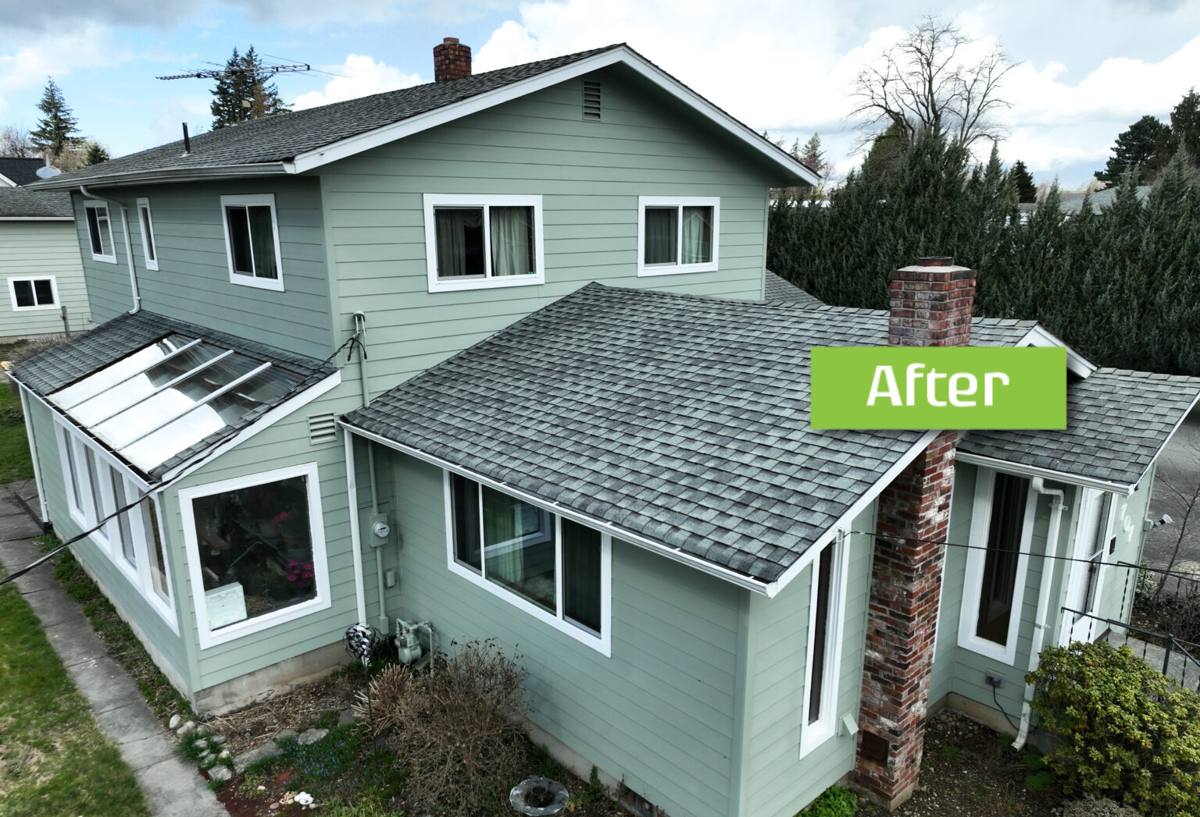
What Actually Counts as Storm Damage
Homeowners often assume storm damage means a visible hole or missing shingles, but a lot of the damage that matters most is harder to spot from the ground. After any significant wind or rain event in Kenneth City, the things worth checking include:
- Shingles that are lifted, creased, or torn but still nailed down — they look intact from the street but no longer seal properly
- Granule loss visible in gutters or downspouts, which signals accelerated aging on the shingle surface
- Bent, lifted, or missing flashing around chimneys, skylights, and roof-to-wall transitions
- Cracked or displaced pipe boots and vent collars
- Soft spots in the decking, usually found from the attic side, where water has been getting in slowly
- Debris impact marks — dents or punctures from branches, tree debris, or wind-carried objects
- Ridge cap shingles pulled loose along the roof's high points, often the first thing to go in sustained wind
Some of this is visible with binoculars from the ground. Most of it isn't. That's why a proper storm inspection includes time on the roof itself and in the attic, not just a drive-by look.
Why Waiting Costs More Than It Saves
The most expensive storm damage repairs we see are never the ones called in right after the storm — they're the ones that sat for a season or two because the roof "looked fine" from the driveway. A lifted shingle that isn't resealed keeps flexing every time the wind picks up, which widens the gap it created. Water that gets under the underlayment doesn't necessarily show up as a ceiling stain right away; it can travel along the decking and show up somewhere far from the actual entry point, or it can sit in insulation and rot the wood slowly enough that you don't notice until the decking is soft enough to flex underfoot.
In a climate like Pinellas County's, with heat and humidity working against wood and fasteners year-round, a small deferred repair rarely stays small. What would have been a localized shingle and flashing repair becomes a decking replacement, and a decking replacement that goes unaddressed long enough starts affecting the trusses and the interior ceiling below it.
What a Correct Storm Repair Actually Involves
Stopping Active Water Intrusion First
If a roof is actively leaking or has an exposed section, the first job is temporary protection — tarping or dry-in material to stop water from getting further into the structure while the permanent repair is scheduled. This isn't cosmetic; it's the step that keeps a repair job from turning into a mold or decking replacement job.
Full Diagnostic, Not Just the Obvious Spot
A correct repair starts by tracing the damage back to its actual source, which is frequently several feet from where a stain or drip shows up inside the house. That means checking the full field of the roof, not just the area over the visible damage — because wind-driven storms in this region rarely damage just one spot.
Matching Materials and Methods
Replacement shingles, flashing, and underlayment need to match the existing roof system in both material and installation method — not just visually, but functionally, so the repaired section seals and drains the same way the rest of the roof does. Mismatched or improperly integrated flashing is one of the most common causes of a "repaired" roof leaking again in the next storm.
Fastening and Sealing to Local Wind Standards
Florida's building code sets specific nailing patterns, fastener counts, and sealing requirements for roofing in high-wind zones, and Pinellas County enforces them. A repair that doesn't follow those specs might look fine on installation day but is far more likely to fail in the next round of sustained wind.
Our Process for Kenneth City Storm Repairs
- Inspection. We walk the roof and check the attic, documenting damage with photos — both for our own repair plan and for any insurance claim you may file.
- Temporary protection if needed. If there's active leaking or exposed decking, we get it covered before doing anything else.
- Written scope and estimate. You get a clear breakdown of what's damaged, what needs to be repaired versus what's cosmetic, and an honest read on whether repair or a larger fix makes more sense.
- Repair. Damaged shingles, flashing, underlayment, and decking sections are replaced to match the existing roof and current code requirements.
- Final check. We walk the repair with you, confirm the area is sealed and draining correctly, and answer any remaining questions.
Repair vs. Replacement: How to Tell Which You Need
Not every storm-damaged roof needs a full replacement, and not every roof that "just needs a patch" is actually a good repair candidate. The honest answer depends on the roof's age, how widespread the damage is, and what condition the rest of the roof is in.
| Factor | Favors Repair | Favors Replacement |
|---|---|---|
| Roof age | Under 10-12 years | Nearing or past expected shingle lifespan |
| Extent of damage | Localized to one or two areas | Scattered across multiple slopes |
| Granule loss | Minimal, isolated | Widespread, visible in gutters throughout |
| Decking condition | Solid, no soft spots found | Soft or rotted decking in multiple areas |
| Prior repair history | First storm event on this roof | Roof has already been patched several times |
| Insurance scope | Adjuster approves targeted repair | Adjuster's scope indicates full slope or roof replacement |
We'll give you a straight answer either way. A roof that only needs a repair doesn't need to be sold a full replacement, and a roof that's genuinely at the end of its service life shouldn't be patched just to delay the inevitable.
Insurance Claims and Documentation
Most storm damage repairs in this area involve an insurance claim, and the paperwork matters almost as much as the repair itself. We document damage thoroughly at the inspection stage — dated photos, measurements, and a written description of cause — so you have what you need if an adjuster questions the scope of the claim. We're glad to walk the roof with your adjuster if that's useful, and we'll give you a repair estimate that reflects what the roof actually needs, not an inflated scope built around what insurance might pay. Keep in mind that most policies have a window for filing storm-related claims, so getting an inspection done soon after a wind or hail event protects your ability to file at all.
Choosing a Contractor for Storm Repair Work
After any major storm, Pinellas County sees an influx of out-of-town crews going door to door offering roof repairs. Some are legitimate. Many are gone by the time a repair fails. A few things worth checking before you sign anything:
- A physical local presence and a business history in the St. Petersburg / Pinellas County area, not just a phone number and a truck
- Proper Florida licensing and insurance, which you can verify independently rather than take on faith
- A written, itemized estimate before any work starts — not a verbal number or a blank contract
- A clear answer on whether they'll pull the required permit, since storm repairs of any real scope typically require one
- Willingness to document damage for your insurance claim rather than pressuring you to sign over your claim benefits
- No demand for full payment up front before any work has been done
After the Repair: Keeping the Roof Ahead of the Next Storm
A storm repair is a good moment to get ahead of the next one. We recommend a visual roof check after any major wind event going forward, keeping gutters clear so water isn't backing up under the roof edge, and having a professional inspection every couple of years even in years without major storms — UV exposure and salt air don't wait for a hurricane to do their damage. Trees that overhang the roof are worth trimming back, since falling limbs are one of the more common causes of the exact kind of localized damage we're called out to fix.
If you've had recent wind or rain move through Kenneth City and you're not sure whether your roof came through it clean, we're happy to take a look. The estimate is free, there's no pressure to move forward, and you'll get a straight answer about what — if anything — actually needs to be done. Use the form below to get in touch.