 St. Petersburg Siding
 New-Construction Windows in Kenneth City
Kenneth City sits in the middle of Pinellas County, surrounded on nearly every side by St. Petersburg, which means homes here deal with the same coastal exposure as the rest of the peninsula even though the town itself isn't directly on the water. New-construction window installation — the kind done during a new build, an addition, or a full wall-to-the-studs renovation — is a different job than swapping out an old window in an existing opening, and it needs to be treated that way from the first cut to the final bead of sealant.
This page covers what new-construction window installation actually involves, what Pinellas County's climate demands from the work, and how our crew approaches these projects for homeowners and builders in Kenneth City.
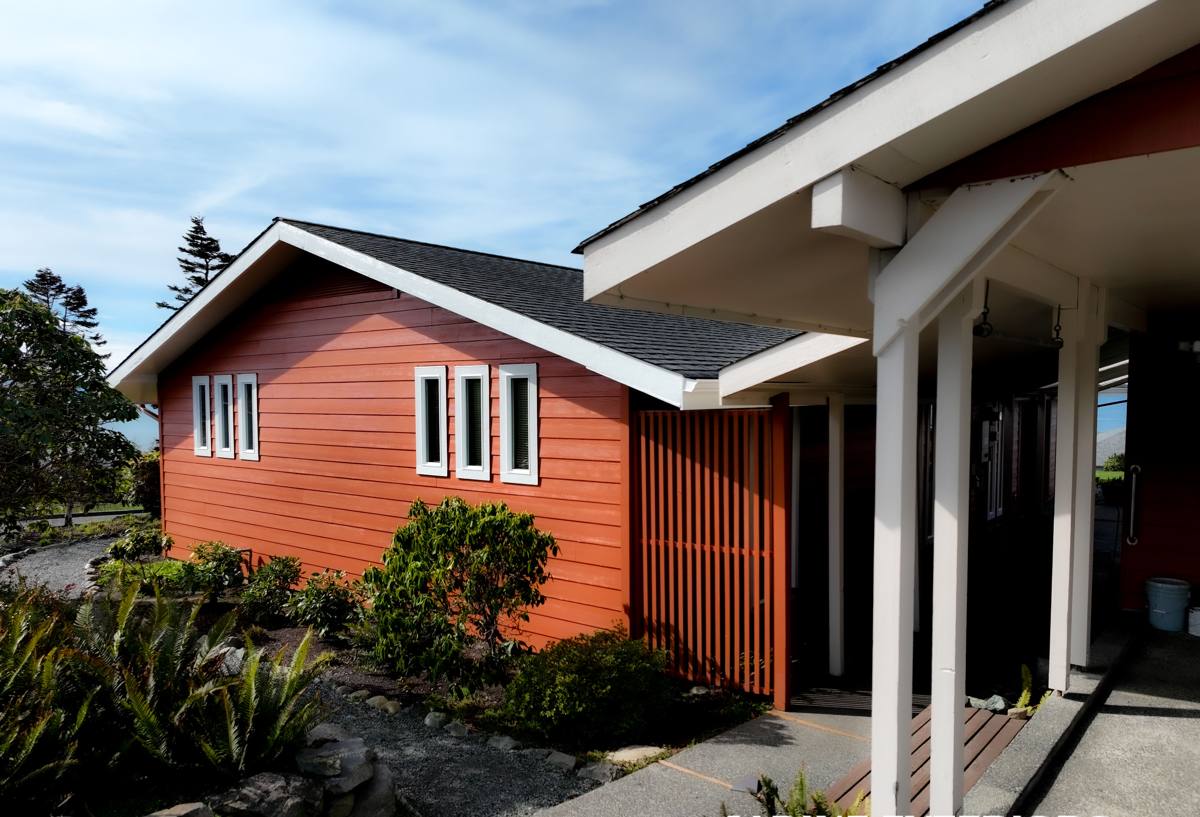
New-Construction vs. Replacement: Why the Distinction Matters
The term "new-construction window" doesn't describe a product tier — it describes an installation method. A new-construction window has a nailing fin (also called a nailing flange) built into the frame. That fin gets fastened directly to the wall sheathing before siding or stucco goes on, and the window's water management is integrated into the wall's weather-resistive barrier as part of the build sequence.
Replacement or "insert" windows, by contrast, go into an existing finished opening with the exterior siding already in place, using the old frame as a mounting surface. Both have their place, but they solve different problems. New-construction installs are correct when:
- You're building a new home or an addition and the rough openings are being framed from scratch
- You're doing a gut renovation and removing exterior wall material down to the studs
- An existing opening has water damage, rot, or bad flashing that needs to be corrected at the framing level, not just covered over
- You're changing the size or shape of an opening rather than matching what's already there
Trying to force a new-construction window into a finished wall — or using an insert window where a full-frame installation is what the opening actually needs — is one of the more common corner-cuts we see, and it tends to show up later as leaks around the frame.
What Kenneth City's Climate Demands From a Window
Pinellas County homes face a specific combination of stresses that don't all show up the same way in every part of the country:
Wind
Kenneth City is close enough to Tampa Bay and the Gulf that hurricane-force wind events are a real design load, not a theoretical one. Windows here need to be rated for the wind pressures the Florida Building Code assigns to this part of the state, and that rating has to be backed by actual testing, not just a manufacturer's general claim.
Wind-driven rain
During a tropical system, rain doesn't fall straight down — it's pushed sideways into the wall assembly under pressure. A window that's watertight in a normal rainstorm can still leak under wind-driven rain if the flashing and fin integration weren't done correctly. This is almost entirely an installation issue, not a product issue.
UV exposure
Florida gets strong, direct sun essentially year-round. UV breaks down cheap vinyl, degrades sealants, and can fade interior finishes near the glass over time if the glazing isn't built to handle it.
Salt air
Kenneth City isn't beachfront, but it's close enough to the Gulf and Tampa Bay that salt-laden air still reaches inland neighborhoods, especially on windier days. Salt air accelerates corrosion on hardware, fasteners, and lower-grade metal components faster than it would in a dry, inland climate.
None of these factors are unique to Kenneth City specifically — they're regional realities across Pinellas County — but they're exactly why a window and an installation method that work fine in a mild climate can underperform here.
Code and Product Approval Basics
Pinellas County is not in Florida's High-Velocity Hurricane Zone (that designation applies to Miami-Dade and Broward Counties). That said, the Florida Building Code still sets wind-load and impact requirements for this region based on local wind speed maps, and every window installed needs a valid Florida product approval or Miami-Dade Notice of Acceptance number matching its rated use. A few basics worth knowing:
| Requirement | What It Means for Your Project |
|---|---|
| Design pressure rating | The window must be tested and rated to withstand the wind loads assigned to your specific site and building height |
| Impact resistance or shutters | Openings in the wind-borne debris region need either impact-rated glazing or an approved protective covering |
| Egress sizing | Bedroom windows must meet minimum opening size and sill height for emergency escape, which affects what frame styles are usable in certain rooms |
| Flashing and WRB integration | Installation must follow a documented flashing sequence that ties into the wall's weather-resistive barrier — this is inspected, not optional |
| Permit and inspection | New-construction window installs are typically inspected as part of the framing or rough-in stage, then again at final |
A crew that pulls permits and schedules inspections in Pinellas County regularly knows what local inspectors actually check for, which avoids the back-and-forth of a failed inspection holding up a build schedule.
What a Correct Installation Actually Involves
Whether it's one window in an addition or a full house of them on a new build, the sequence matters more than the product. A correct new-construction install generally follows these steps:
- Rough opening is checked for square, level, and correct sizing before anything is installed
- A sloped sill pan is set at the base of the opening so any water that gets past the window drains back out, not into the wall cavity
- Weather-resistive barrier is cut and prepped around the opening in the correct shingle-lap order
- The window is set, shimmed for square and plumb, and fastened through the nailing fin per the manufacturer's tested fastening schedule — spacing and fastener type aren't optional details
- Flashing tape or flashing membrane is applied over the fin at the sides and top, integrated with the WRB so water sheds outward and downward at every layer
- Sealant is applied at the specified points — not everywhere, since sealing the wrong location can trap water instead of shedding it
- Interior shimming is checked again once the frame is fastened, since a window can look square from outside and still be racked
- Exterior finish (siding, stucco, trim) is installed up to the window per the same water-shedding logic
Every one of these steps is inspectable, and skipping or rushing any single one is usually where future leaks trace back to.
Frame Material and Glazing Considerations
For new-construction projects in this climate, the frame material and glass package matter for different reasons than in a milder region:
| Factor | Why It Matters Here |
|---|---|
| Frame material | Vinyl, aluminum, and composite frames all handle UV, humidity, and salt air differently — cheaper vinyl can become brittle faster under constant sun exposure |
| Impact glass vs. shutters | Impact-rated glazing costs more up front but removes the need to install and store shutters before every storm |
| Low-E coating | Reduces solar heat gain, which matters for cooling costs given how much direct sun Florida homes get most of the year |
| Hardware finish | Corrosion-resistant hardware is worth the upgrade given salt air exposure, even at Kenneth City's inland-of-the-beach location |
| Warranty structure | Read what's covered on the frame vs. the glass seal vs. labor — these are often three separate warranty terms from the same manufacturer |
We don't push a specific brand as the only acceptable option. What we insist on is a product with valid Florida product approval for the design pressures on your project, glazing appropriate for the wind-borne debris region, and a warranty structure we can stand behind honestly — that's our own professional standard, not a claim about any particular manufacturer being unfit.
How We Work With Builders and Homeowners in Kenneth City
Most of our new-construction window work in this area comes through one of two paths: coordinating directly with a general contractor or builder during a new build or addition, or working directly with a homeowner on a renovation that opens up exterior walls. Either way, our process looks roughly the same:
- Review the plans or existing opening sizes and confirm required design pressures for the site
- Recommend frame and glazing options that fit the budget without cutting into code-required performance
- Coordinate scheduling around the framing or rough-in stage so windows go in at the right point in the build sequence
- Handle or support the permit and inspection process, since we're regularly in front of the same Pinellas County inspection process
- Install using the flashing and fastening sequence above, documented as we go
- Walk the finished openings before exterior finish work closes them up, since that's the last point corrections are easy to make
Being a crew that already works Kenneth City and the surrounding St. Petersburg area regularly means fewer surprises on scheduling, a working knowledge of what local inspectors want to see, and a realistic sense of how this area's wind and rain exposure should shape the product and installation decisions — instead of applying a generic approach and hoping it holds up through the first real storm.
Mistakes That Cause Problems Later
Most of the window leaks and failures we get called to look at in older Pinellas County construction trace back to a small number of repeated issues:
- No sill pan, or a flat sill pan that doesn't slope water back out
- Fastening schedule not followed, leaving the frame under-secured for actual wind loads
- Flashing tape applied in the wrong order relative to the weather-resistive barrier, sending water behind it instead of over it
- Sealant used as a substitute for correct flashing instead of a supplement to it
- Window installed with an incorrect or unverified product approval for the site's actual wind zone
Every one of these is a sequencing or attention-to-detail problem, not a product problem — which is exactly why the installer matters as much as the window itself.
Get a Straightforward Estimate
If you're planning a new build, an addition, or a renovation in Kenneth City and need new-construction windows installed correctly the first time, we're happy to take a look at your plans or your opening and give you a straightforward, no-pressure estimate using the form below.