 St. Petersburg Siding
 What "New-Construction" Windows Actually Means
In the window trade, "new-construction" isn't a marketing phrase — it describes a specific type of window and a specific installation method. A new-construction window has a nailing fin (sometimes called a nail fin or flange) built into the frame. That fin gets fastened directly to the wall sheathing or stud framing before siding, stucco, or brick veneer goes on. It's the standard approach for ground-up builds, additions, and any project where the wall is opened down to the studs — as opposed to a "replacement" or "insert" window, which drops into an existing frame without disturbing the surrounding wall finish.
For homeowners in Pinellas Park building an addition, finishing out new construction, or doing a full gut-and-rebuild after storm damage, this distinction matters. New-construction windows let us flash the opening correctly from the framing out, which is the single biggest factor in whether a window opening stays watertight for the next twenty years.
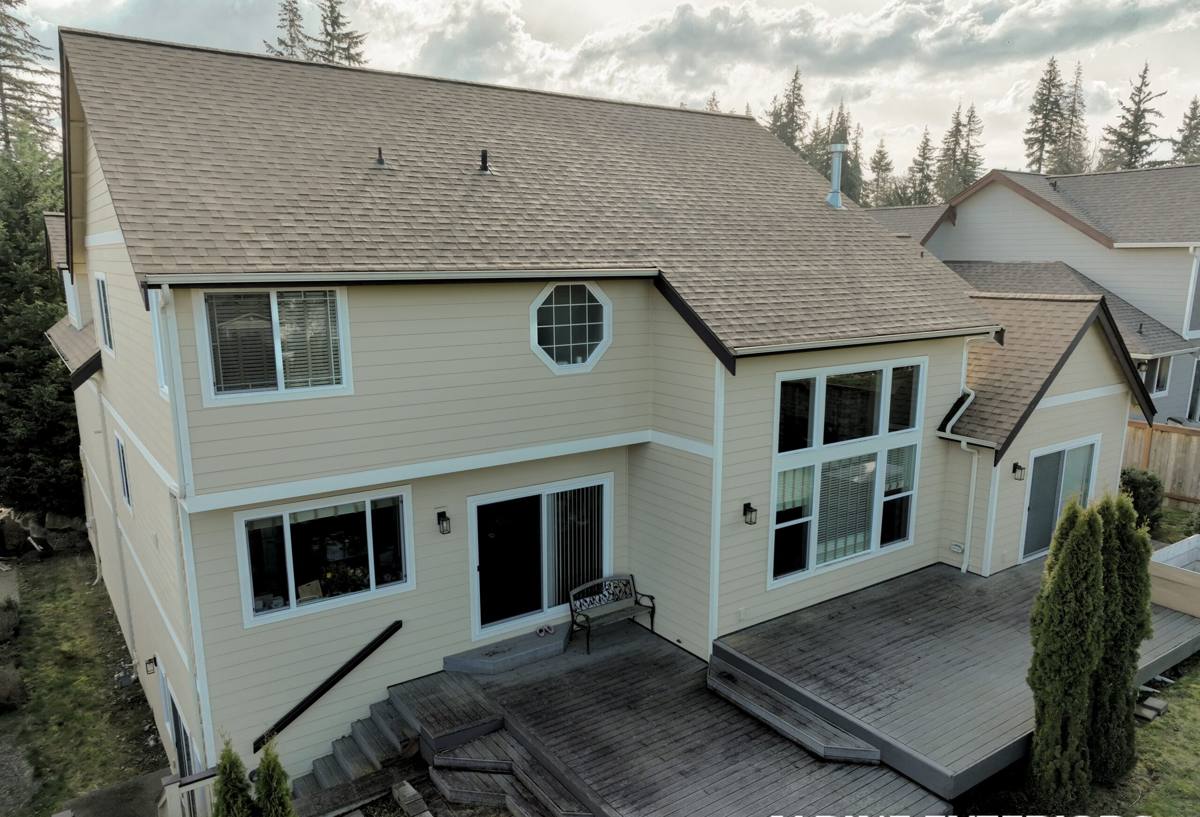
Why Pinellas Park Homes Need Windows Built for This Climate
Pinellas Park sits in the middle of the St. Petersburg peninsula, close enough to Tampa Bay and the Gulf that every window on a house here is dealing with the same four stressors day in and day out:
- Hurricane-force wind loads — Pinellas County requires windows rated for the design pressures in the current Florida Building Code, and that rating has to match the specific opening size and wall location, not just the general product line.
- Wind-driven rain — even a window that survives the wind can fail if water gets pushed past the frame during a sideways downpour. Flashing and sill pan detailing matter as much as the glass.
- Intense, year-round UV — Florida sun degrades cheap vinyl, fades interior finishes, and breaks down low-quality sealants faster than in most of the country.
- Salt air — Pinellas Park isn't beachfront, but it's close enough to the Bay and Gulf that airborne salt accelerates corrosion on hardware, screws, and untreated metal components over time.
None of these are hypothetical for a Pinellas County property. They're the baseline conditions every new-construction window opening here has to be built for from day one.
Florida Building Code and Wind Zone Requirements
Design Pressure and Wind Zones
Every window installed under permit in Pinellas County has to meet a design pressure (DP) rating tied to the building's wind exposure, height, and location. Pinellas Park falls outside Miami-Dade's High-Velocity Hurricane Zone (HVHZ), but it still falls under the Florida Building Code's wind-borne debris region requirements, meaning most exterior openings need either impact-rated glazing or approved shutters/protection on file with the permit.
Product Approval
Windows used in new construction here need a valid Florida Product Approval (or Miami-Dade NOA, which is also accepted) matching the specific size, configuration, and design pressure of the opening. This isn't a formality — it's what the building inspector checks against the installed label before signing off, and it's what your insurance carrier may ask for when documenting wind mitigation credits.
Energy Code Minimums
Florida's energy code also sets minimum performance for U-factor (how much heat transfers through the glass) and SHGC, or solar heat gain coefficient (how much solar heat the glass lets through). In a climate zone this hot, SHGC usually matters more to your cooling bill than U-factor does.
What a Correct New-Construction Install Actually Involves
The window product only does half the job. The other half is the installation sequence, and it's where most water intrusion problems originate — not from a bad window, but from a rushed or out-of-order install.
The Sequence That Keeps Water Out
- Rough opening is checked for square, level, and correct size against the window's actual dimensions.
- A sloped sill pan flashing is installed at the bottom of the opening so any water that does get past the window drains back outside, not into the wall cavity.
- Self-adhered flashing tape or housewrap integration is applied at the jambs and head in the correct shingle-lap order — bottom first, then sides, then top — so water always sheds downward and outward.
- The window is set, shimmed level and plumb, and fastened through the nailing fin per the manufacturer's and product approval's specified fastener pattern and spacing.
- Perimeter sealant is applied at the correct joints — not everywhere, since over-sealing can trap water instead of letting it drain.
- Interior and exterior trim or stucco stops are integrated last, once the flashing and sealant have been inspected.
Common Shortcuts We Won't Take
| Shortcut | Why it's a problem in this climate |
|---|---|
| Skipping the sill pan flashing | Wind-driven rain that gets past the window sill has nowhere to drain and soaks the framing |
| Caulk instead of proper flashing tape | Sealant alone degrades under UV and heat cycling; it's not a substitute for a drainage plane |
| Wrong or missing fasteners | Voids the product approval and the window's wind rating, even if the glass itself is correct |
| Sealing the weep holes shut | Traps water inside the frame instead of letting it drain back out |
Choosing the Right Window for a Pinellas Park Opening
There's no single "best" window — the right choice depends on the opening's exposure, the home's design pressure requirements, and your budget. Here's how the common options compare for new-construction use in this area:
| Frame Type | Strengths | Trade-offs |
|---|---|---|
| Vinyl | Good insulation value, low maintenance, competitive cost | Can expand/contract more in extreme heat; quality varies a lot between manufacturers |
| Aluminum | Strong, slim sightlines, handles high design pressures well | Conducts heat more than vinyl; needs a thermal break for energy code compliance |
| Fiberglass | Very stable in heat, long service life, paintable | Higher upfront cost than vinyl |
Impact Glass vs. Non-Impact with Shutters
Impact-rated glass (laminated glass with an interlayer that holds together on impact) lets you skip the ritual of installing shutters before every storm, and it also cuts UV transmission and outside noise year-round. Non-impact windows paired with code-approved shutters or panels cost less upfront but require action — and storage space — every time a storm approaches. We'll walk through both honestly based on your budget and how the opening is used.
Our Process, Start to Finish
- On-site evaluation: we measure openings, check wall exposure and design pressure needs, and talk through what the space is used for.
- Product selection: we recommend frame material, glass package, and impact rating based on the opening, not a one-size list.
- Permit and product approval documentation: we pull the required Pinellas County/City of St. Petersburg permits and confirm the product approval matches the installed configuration before ordering.
- Installation: flashing, sill pan, fin fastening, and sealant done in the sequence above — not shortcuts to save an hour.
- Inspection: we schedule and stand by for the building inspector's sign-off so the permit closes cleanly.
- Walkthrough: we go over operation, hardware care, and what to watch for over the first year.
Energy Performance and Everyday Comfort
New-construction windows are also your chance to get the energy performance right from the start, instead of retrofitting later. In Pinellas Park's climate, the two numbers that matter most are:
- SHGC (Solar Heat Gain Coefficient): lower numbers block more solar heat — important on west- and south-facing openings that take direct Florida sun most of the day.
- U-factor: lower numbers mean less heat transfer through the frame and glass, which matters for AC load and utility bills in a home that runs cooling nearly year-round.
Low-E coatings, argon or other inert gas fill, and warm-edge spacers all contribute to hitting these targets without changing how the window looks. We'll spec glass packages against your specific elevations rather than using the same package on every wall of the house.
Permitting and Inspection Realities in Pinellas Park
New-construction window work in Pinellas Park is done under permit through Pinellas County or the City of St. Petersburg, depending on the exact property. Inspectors check the installed product label against the permit's approved product approval, verify fastener spacing at the nailing fin, and confirm flashing is in place before it gets covered by siding or stucco. Because we handle window installs across the St. Petersburg and Pinellas Park area regularly, we know what these inspections look for and build to that standard the first time — which avoids the cost and delay of a failed inspection and a reopened wall.
A Pre-Install Checklist Worth Reviewing
- Confirm the design pressure rating required for your specific wall exposure and height
- Verify the product approval number matches the exact window size and configuration being installed
- Ask whether sill pan flashing is included in the install scope — it should be
- Decide between impact glass and shutters before framing is finalized, since rough openings can differ
- Check that weep holes and drainage paths won't be blocked by trim, stucco, or landscaping
- Get the SHGC and U-factor numbers in writing, not just "energy efficient" as a description
Why Hiring a Crew That Already Works Pinellas Park Matters
A window install that's technically correct on paper can still fail in the field if the crew doesn't understand how Pinellas County wind exposure, humidity, and inspection standards apply to that particular opening. We work in and around Pinellas Park regularly, which means we're not learning the local permitting process or the practical realities of installing in salt-air, high-UV conditions on your project. That familiarity shows up in fewer surprises during inspection and a window system that's actually built for what this part of Florida throws at it — not a generic install adapted after the fact.
If you're planning new-construction windows for a build, addition, or storm-recovery project in Pinellas Park, we're happy to walk the site and give you a straightforward estimate — no pressure, no hard sell. Use the form below to get started.