 St. Petersburg Siding
 Roofing a Historic Kenwood Home Is Its Own Job
Historic Kenwood is one of St. Petersburg's older residential neighborhoods, built out mostly with Craftsman-style bungalows and early 20th-century frame houses under a mature tree canopy. Roofs on these homes weren't built to today's code, and many have been re-covered more than once over the decades without anyone checking what's happening underneath the shingles. A new roof installation here isn't the same job as putting a roof on a house built in 2015 in a new subdivision. The framing, the deck, the ventilation, and even the roof's visual role in the streetscape all need to be handled with more care.
At the same time, this is still Pinellas County, sitting on a peninsula between Tampa Bay and the Gulf. Hurricane-force wind events, intense year-round UV exposure, wind-driven rain, and salt air off the water all shorten the life of a roofing system faster than they would inland. A correct installation in Historic Kenwood has to solve for both problems at once: respect an older, character-driven home while building a roof that can actually take what St. Petersburg's climate throws at it.
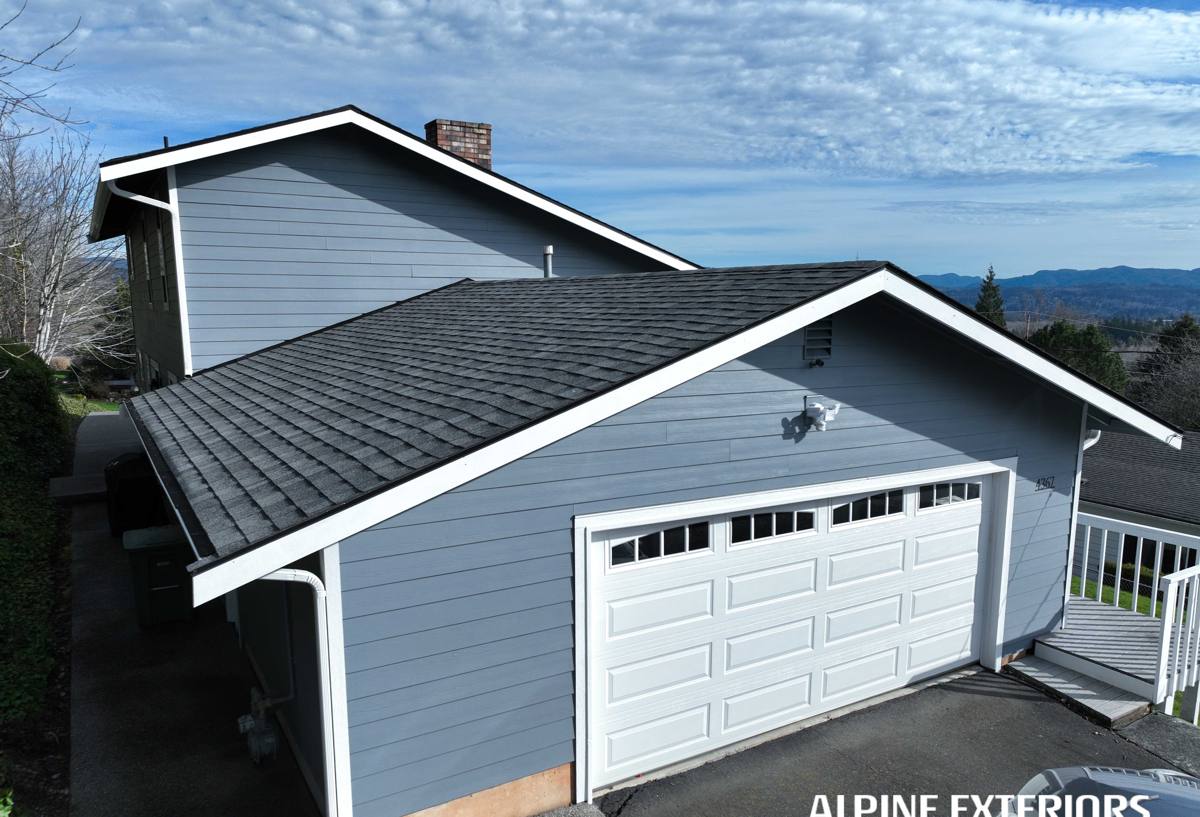
What Older Bungalow Roofs Are Actually Dealing With
Roof Deck and Framing Age
Many Kenwood homes still have original or early-replacement roof decking — sometimes plank sheathing rather than plywood or OSB. Decades of Florida humidity, prior leaks, and attic heat cycling can leave that decking soft, delaminated, or under-fastened in spots you can't see until the old roofing is off. A new roof installed over compromised decking will fail early no matter how good the shingles are.
Steep Gables, Multiple Planes, and Deep Eaves
Craftsman bungalows typically have steeper-pitched gable roofs, dormers, and deep overhanging eaves — architectural features that add character but also add valleys, hips, and transition points where flashing has to be detailed correctly. More roof planes means more seams, and more seams means more places for wind-driven rain to find a way in during a tropical storm.
Tree Canopy and Debris Load
The mature oak and tree canopy that gives Kenwood its shaded, walkable feel also means more leaf litter, moss growth, and limb debris sitting on the roof year-round. That organic buildup holds moisture against shingles and accelerates granule loss, and it's a real factor in how often a roof in this neighborhood needs attention compared to a roof in a treeless subdivision.
Salt Air and UV Exposure
Even a few miles from open water, St. Petersburg's salt-laden air corrodes exposed fasteners, flashing, and metal roof edges faster than it would further inland. Combined with the Gulf Coast's intense year-round sun, this is why lower-grade materials and shortcuts on flashing tend to show their age here in years, not decades.
Material Options for a Historic Kenwood Roof
There's no single "correct" material for every Kenwood home — it depends on the roof's pitch, the home's architectural style, and the budget. Here's an honest comparison of the options we most often discuss with homeowners in this neighborhood.
| Material | Fit for Bungalow Character | Climate Performance | Typical Trade-Offs |
|---|---|---|---|
| Architectural asphalt shingle | Good — wide range of colors/textures suits Craftsman rooflines | Solid wind rating when installed with proper nailing and underlayment; moderate UV wear over time | Shortest lifespan of the three; needs quality underlayment to handle wind-driven rain |
| Standing seam metal | Works well on simpler gable forms; less common historically on Kenwood bungalows | Excellent wind and UV performance; sheds water fast in heavy rain | Higher upfront cost; needs correct fastening and coating to resist salt-air corrosion |
| Dimensional/laminated shingle, upgraded underlayment package | Closest match to a traditional shingle look with better durability | Better wind and impact performance than basic 3-tab shingle | Mid-range cost; still a shingle roof's maintenance profile |
We steer most homeowners away from basic 3-tab shingles on this type of roof. It's not that the product is defective — it's that its wind rating and wear characteristics are the weakest of the available options, and on a roof with this many planes and this much coastal exposure, it's the first thing to show damage after a wind event.
What a Correct Installation Actually Involves
- Full tear-off, not a re-cover. On a home this old, layering new shingles over existing ones hides the deck condition and voids most manufacturer wind warranties. We remove down to the deck every time.
- Deck inspection and repair. Any soft, delaminated, or undersized decking gets replaced before a single shingle goes down — this is the step that gets skipped by crews trying to move fast, and it's the one that determines whether the roof lasts.
- Proper attic ventilation. Older bungalow attics are often under-ventilated, which traps heat and moisture and cooks a new roof from underneath. We check intake and exhaust balance as part of the install, not as an afterthought.
- Wind-rated underlayment and flashing. Self-adhering underlayment at valleys, eaves, and penetrations; new step and counter-flashing at walls and dormers; corrosion-resistant fasteners suited to salt-air exposure.
- Fastening to current Florida Building Code wind requirements. Nailing pattern and fastener count are matched to Pinellas County's wind zone, not the minimum the material's box calls for.
- Final inspection and manufacturer registration. Where a material warranty depends on installer certification or documented inspection, we make sure that paperwork actually gets filed.
Permits, Historic Review, and Wind Mitigation
Every new roof installation in the City of St. Petersburg requires a building permit and inspection — there's no legitimate shortcut around that. If your home falls within Historic Kenwood's local historic district boundary, exterior changes that are visible from the street, including roofing material or color changes, may also be subject to local design review before a permit is issued. We check this as part of scoping the job rather than assuming it doesn't apply.
It's also worth having a wind mitigation inspection done after the new roof is installed. A properly documented, code-compliant roof-to-wall connection and updated roof covering can lower your windstorm insurance premium, and in Pinellas County that discount is often worth pursuing given how much wind coverage costs on this part of the Gulf Coast.
Protecting an Older Home During Tear-Off
Tear-off on a historic bungalow comes with extra care that a newer home doesn't need:
- Tarping and ground protection under mature tree canopy to keep debris off landscaping and lower branches
- Covering original wood siding, trim, and older single-pane windows during removal and disposal
- Careful handling around narrow side yards and shared property lines common on Kenwood's older lots
- Magnetic sweeps for nails and staples in yards where kids, pets, or bare feet are part of daily life
- Coordinating dumpster and material staging so the street and driveway access aren't blocked longer than necessary
Why Local Experience in This Neighborhood Matters
A crew that regularly works Historic Kenwood already knows the common deck conditions on homes of this era, has a working relationship with the city's permitting and inspection process, and understands when historic design review is likely to come into play. That familiarity translates into fewer surprises mid-project — no discovering a design review requirement after materials are already ordered, no guessing at deck repair scope because the crew has seen the same framing dozens of times on similar houses nearby.
It also matters for warranty support down the road. A local contractor who's still doing business in St. Petersburg five and ten years from now is the one who'll actually answer the phone if a flashing detail needs attention after the next tropical storm season.
Signs Your Kenwood Roof Needs Replacement, Not Another Repair
- Granule loss heavy enough that shingles look patchy or bald in sun-exposed areas
- Soft or spongy spots when walking the roof, or visible sagging along a ridge or valley
- Recurring leaks in the same area after prior patch repairs
- Shingles cracking, curling, or lifting at edges, especially after wind events
- Daylight visible through the roof deck from inside the attic
- A roof that's 18-25+ years old and has never had a full tear-off replacement
If you're seeing one or two of these, a repair might still make sense. If you're seeing several at once, or the roof is original to a mid-century re-roof, replacement is usually the more honest recommendation — and the more cost-effective one over the next decade.
Getting a Straight Answer on Your Roof
Every bungalow in Historic Kenwood has its own history of past repairs, deck condition, and roof geometry, so we don't quote a new roof installation without actually getting on it first. We're happy to come out, look at the current roof and attic, explain what we find in plain terms, and put together a written estimate with no pressure to sign anything on the spot. Use the form below to request a free estimate and we'll get you scheduled.