 St. Petersburg Siding
 Why Old Northeast Roofs Wear Differently
Old Northeast is one of St. Petersburg's older, established neighborhoods — mature tree canopy, homes built decades ago, and a mix of original roof lines and additions that don't always match. That combination creates a specific set of roofing problems that a newer subdivision in Pinellas County simply doesn't have. Overhanging limbs drop debris and hold moisture against shingles longer than an open roof would. Older decking underneath may have been patched or re-covered more than once. And because many of these homes have real character worth preserving, a roofing job here has to respect the look of the house, not just the function of the roof.
Layer on top of that the climate every roof in this part of Florida deals with: hurricane-force wind events, intense sun nearly year-round, wind-driven rain that finds every weak seam, and salt air drifting in off the water that accelerates corrosion on fasteners and flashing. An asphalt shingle roof in Old Northeast is doing more work than the same roof would be doing almost anywhere else in the country, and it needs to be installed with that in mind from the first course of shingles to the last.
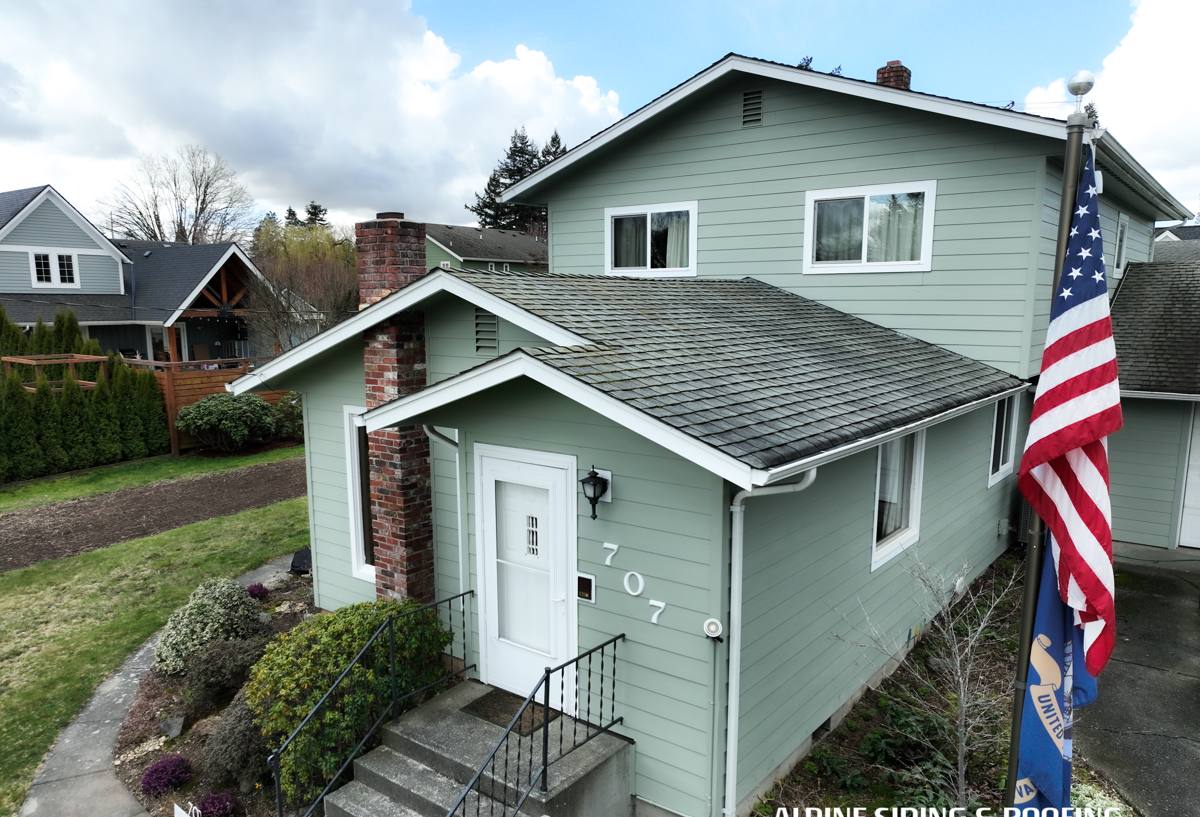
What a Correct Asphalt Shingle Job Actually Involves
Deck Inspection, Not Just Deck Assumption
On an older home, you don't know what's under the existing shingles until they come off. Soft spots, old nail patterns from a prior roof, or plywood that's delaminated from years of attic humidity are common finds. A correct job includes a full tear-off and deck inspection — not a shingle-over — so any rot or soft sheathing gets replaced before new material goes down. Skipping this step is how a roof looks fine for two years and then fails at the first real storm.
Underlayment and Water Barrier
Given how much wind-driven rain this area sees, the underlayment matters as much as the shingle itself. Synthetic underlayment across the full deck, self-adhered waterproof membrane at eaves, valleys, and any roof-to-wall transitions, and proper lapping direction all determine whether water that gets under a shingle during a storm stays out of the house or finds its way into the attic.
Nailing Pattern and Wind Rating
Pinellas County sits in a high-velocity wind zone, and asphalt shingles are only as wind-resistant as their installation. That means the correct number of nails per shingle, placed in the manufacturer's nail line (not high, not low), with hand-nailing in tricky spots where a nail gun can't hit the line cleanly. A roof can be rated for high wind speeds on paper and still fail in the field if the fastening pattern was rushed.
Flashing and Penetrations
Chimneys, plumbing vents, skylights, and wall step-flashing are where the overwhelming majority of leaks start — not the open field of shingles. On older homes especially, flashing from a prior roofing job is often reused to save time. We replace flashing as part of the job rather than reusing worn metal, since salt air corrodes flashing faster here than in inland climates.
Ventilation
Florida attics run hot, and poor ventilation shortens shingle life by cooking them from underneath while trapping moisture that damages decking. A balanced intake-and-exhaust system — ridge vents, soffit vents, or a combination that fits the specific roof shape — keeps attic temperatures and moisture in a range that lets the shingles last as long as they're rated to.
Matching the Roof to an Older Home
A lot of Old Northeast homes have roof lines, dormers, and porch overhangs that were built by hand and aren't perfectly uniform. That means more custom cutting, more attention at hips and valleys, and sometimes more waste material than a simple gable roof on a newer build. It's worth budgeting for that reality rather than being surprised by it mid-project. If your home falls within a local historic district or has architectural review requirements, shingle color and profile may need to stay within approved guidelines — that's worth checking with the city before material is ordered, and we're glad to work around it.
Tree canopy is the other major factor. Established oaks are part of what makes this neighborhood what it is, but they also mean more granule loss from limb rub, more debris buildup in valleys, and more need for gutter and roof-edge maintenance between full roof cycles.
Shingle Options and How They Compare
Not every asphalt shingle is built for the same conditions, and the right choice depends on budget, how long you plan to stay in the home, and how much wind and impact resistance you want built in from day one.
| Shingle Type | Typical Wind Rating | Best For | Trade-Offs |
|---|---|---|---|
| 3-Tab Asphalt | Lower end of code-compliant range | Budget-conscious replacements, rental or transitional properties | Shorter lifespan in this climate, less impact resistance |
| Architectural (Dimensional) | Mid-to-high range, varies by manufacturer | Most owner-occupied homes wanting durability and curb appeal | Higher upfront cost than 3-tab, still requires correct install to hit rated wind speed |
| Impact-Rated Architectural | Highest tier, often paired with insurance credits | Homeowners prioritizing storm resilience and long-term insurance savings | Highest material cost; savings offset over time through insurance and fewer repairs |
We'll walk through where your home and budget land on that table rather than pushing one option — the right answer is different for a rental property than it is for a forever home.
How We Approach a Job in Old Northeast
- On-site inspection of the current roof, decking access points, and any problem areas you've already noticed (stains, soft spots, missing granules).
- A written estimate that separates tear-off, deck repair (if needed), underlayment, shingles, flashing, and ventilation — so you can see exactly what you're paying for.
- Full tear-off and deck inspection before any new material is installed.
- Underlayment, flashing, and shingle installation to manufacturer and local wind-code specification.
- Cleanup, including a magnetic nail sweep of the yard and driveway — a real consideration when there's an older home, landscaping, and sometimes a pool nearby.
- Final walkthrough so you can see the completed work before we consider the job done.
What to Check Before Any Roof Is Called "Done"
- Full tear-off performed, not a shingle-over on old material
- Deck inspected and any soft or rotted sheathing replaced, documented in writing
- Nailing pattern matches manufacturer specification for the local wind zone
- New flashing at all penetrations, chimneys, and wall transitions
- Ridge and soffit ventilation balanced, not just present
- Written manufacturer warranty and workmanship warranty provided separately
- Yard and driveway swept for nails and debris before crew leaves
Why It Matters to Hire a Crew That Already Works This Neighborhood
A crew that regularly works Old Northeast has already dealt with the permitting process St. Petersburg requires, understands how to work around mature landscaping and tight lot lines without damaging them, and knows what historic-district or architectural review expectations look like if your property is subject to them. That familiarity saves time and avoids the kind of rework that happens when a crew unfamiliar with the area has to stop and figure out local requirements mid-project.
There's also a scheduling reality specific to this part of Florida: storm season runs for months, and roofing demand spikes hard right after a named storm passes through Pinellas County. A local crew that knows the neighborhood and plans around that seasonal pattern is generally easier to get on a reasonable timeline than someone traveling in from outside the area, especially in the weeks after a major weather event.
Repair, Recover, or Full Replacement?
Not every roof problem in Old Northeast means a full replacement. A localized leak around a single penetration, a handful of storm-damaged shingles, or isolated flashing failure can often be repaired without touching the rest of the roof — as long as the shingles aren't already past their service life and the deck underneath is sound. As a general guide:
| Situation | Likely Path |
|---|---|
| Roof under 10 years old, isolated leak or storm damage | Targeted repair |
| Roof 15+ years old, widespread granule loss or curling | Full replacement |
| Visible sagging, multiple soft spots, or repeated leaks in different areas | Full replacement with deck inspection |
| Recent named storm with wind or impact damage | Inspection first — repair or insurance-involved replacement depending on findings |
We'll give you an honest read on which category your roof falls into rather than defaulting to the most expensive answer.
Get a Straight Answer About Your Roof
If you're not sure whether your Old Northeast home needs a repair, a partial fix, or a full asphalt shingle replacement, the easiest next step is a free, no-pressure estimate. We'll look at the actual condition of your roof, walk you through what we find, and give you a written breakdown of what correct work looks like for your home — no guesswork, no upsell. Use the form below to get started.