 St. Petersburg Siding
 New-Construction Windows in Old Northeast, St. Petersburg
Old Northeast is one of St. Petersburg's older, more established residential neighborhoods, built out mostly in the early-to-mid 20th century with a mix of bungalows, Mediterranean Revival homes, and colonial-style houses under a mature tree canopy. When a home in this neighborhood needs windows replaced down to the framing — not just new sashes dropped into old frames — that's a new-construction window job, and it's a different scope of work than a simple insert replacement. Done right, it's also one of the best investments a homeowner here can make, because it addresses both the age of the housing stock and the weather this part of Pinellas County actually sees.
This page covers what new-construction windows are, what they need to hold up in this specific area, and how we approach the work on Old Northeast homes.
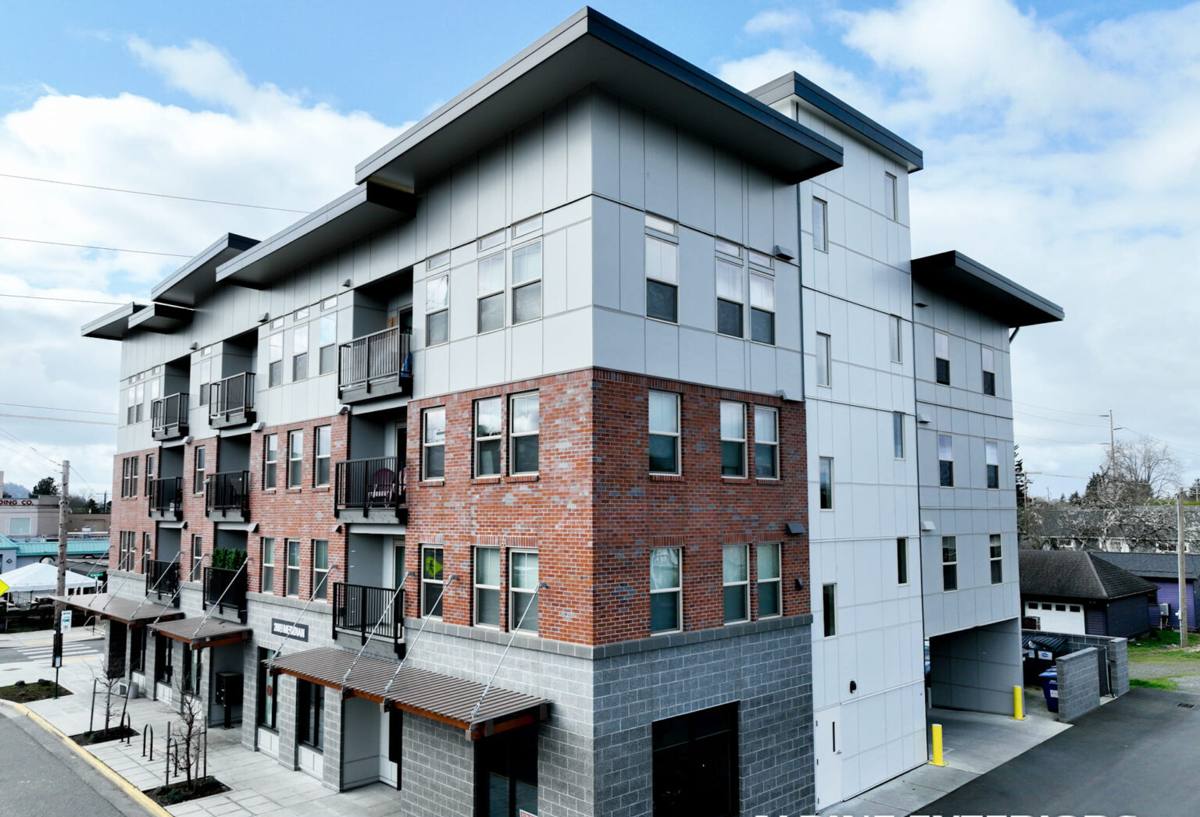
Why This Neighborhood's Climate Is Hard on Windows
St. Petersburg sits on a peninsula between Tampa Bay and the Gulf, and Old Northeast is close enough to open water that homes here deal with a combination of stresses that inland Florida properties don't face as severely:
- Hurricane-force wind: Pinellas County is in a high-velocity hurricane zone, and older window frames and glazing were often never engineered for current wind-load requirements.
- Wind-driven rain: Storms here don't just bring wind — they push rain sideways under pressure, which finds every weak seal, gap, or aging caulk line.
- Intense, year-round UV: Florida sun degrades vinyl, weatherstripping, and window film faster than in most of the country, and it fades interior flooring and furniture through untreated glass.
- Salt air: Proximity to the bay means airborne salt accelerates corrosion on hardware, screws, and metal components that aren't rated for coastal exposure.
None of this is unique to Old Northeast, but it's compounded here by the age of the housing stock — many homes still have original or early-replacement window openings that were framed decades before modern wind and moisture standards existed.
Old Northeast's Housing Stock and What That Means for the Work
A large share of homes in this neighborhood are 60, 80, even 100 years old. That matters for window work in a few concrete ways:
Rough openings are rarely square
Older framing settles unevenly over decades. New-construction windows go in with a nailing flange that gets fastened directly to the framing, so the opening has to be trued up, shimmed, and flashed correctly — you can't just set the unit in and caulk around it.
Historic character often needs to be respected
Many Old Northeast homes have a distinct architectural style — divided-lite patterns, specific proportions, particular trim details. Some properties may fall under local historic district guidelines that affect what's allowed on the street-facing elevation. We work with the home's existing character rather than defaulting to whatever's cheapest or fastest, and we'll flag if a project looks like it may need a look from the city before work starts.
Old materials behind the walls
Original wood framing, old stucco, and in some cases older wiring or plumbing can be exposed once trim and siding are pulled back around a window opening. On a true new-construction install, we're often the ones who find those issues first — and we'd rather find them now than have them surface after the windows are in.
New-Construction Windows vs. Replacement Inserts
It's worth being clear about the difference, because these two jobs are often confused:
| Insert / Pocket Replacement | New-Construction Windows |
|---|---|
| New window unit fits inside the existing frame | Old frame is removed down to the rough opening |
| Faster, less invasive, works when the old frame is sound | Required when the frame is rotted, out of square, or the opening is being resized |
| No access to sill, flashing, or framing behind the window | Full access to inspect and repair framing, flashing, and moisture barriers |
| Slightly smaller glass area (frame-within-a-frame) | Full glass area restored; can also enlarge or reconfigure openings |
| Lower cost per opening | Higher cost, but addresses the actual source of leaks and rot |
On a lot of Old Northeast homes, once we get behind the trim, the old frame or sill has moisture damage that an insert would simply seal over instead of fix. That's the main reason a new-construction approach gets recommended here more often than in newer subdivisions.
Florida Building Code and Wind-Load Requirements
Windows installed in Pinellas County have to meet Florida Building Code wind-load and, depending on the specific site and its wind-borne debris region status, impact-resistance requirements. In practice this means:
- Windows carry a Florida Product Approval (or Miami-Dade NOA where applicable) rated for the design pressures at that address.
- Anchoring follows the manufacturer's engineered fastening schedule for the specific wall assembly — not a generic screw pattern.
- Flashing integrates with the home's existing water-resistive barrier so the wall assembly sheds water as a system, not window-by-window.
- If impact-rated glass or approved shutters aren't specified, the opening still has to meet the applicable pressure ratings.
We pull permits and handle inspections as part of the job — this isn't optional work on a house this close to the water, and skipping it creates real problems at resale or insurance renewal.
Product decisions that matter locally
| Factor | Why it matters in Old Northeast |
|---|---|
| Frame material | Needs to tolerate humidity and UV without warping, chalking, or excessive expansion/contraction |
| Hardware | Coastal-rated fasteners and hinges resist salt-air corrosion far longer than standard hardware |
| Glass package | Low-E coatings cut UV fading and heat gain; laminated/impact glass adds wind-debris protection |
| Sealant and flashing | Has to handle sustained wind-driven rain, not just occasional light rain |
| Sightlines and grille pattern | Should match the home's existing architectural style, especially on street-facing elevations |
What a Correct New-Construction Installation Involves
This is where most of the difference between a lasting job and a callback shows up. A correct install includes:
- Full removal of the old window and frame down to the rough opening
- Inspection of the framing, sill, and sheathing for rot or moisture damage, with repairs made before anything new goes in
- Squaring and shimming the opening so the new unit sits plumb and level
- Proper water-resistive barrier integration and flashing sequenced correctly — sill pan first, then sides, then head flashing, lapped so water always sheds outward
- Fastening through the nailing flange per the manufacturer's engineered schedule for the rated wind pressure
- Low-expansion foam or backer rod and sealant at the frame perimeter — not just caulk smeared over gaps
- Interior and exterior trim reinstalled or replaced to match the home's existing detailing
- Final check for square, level, smooth operation, and a clean weather seal before cleanup
Our Process on Old Northeast Homes
1. On-site assessment
We look at each opening individually — age of the home, condition of the existing frames, any visible moisture or settling issues, and whether the project is a straightforward swap or something that involves resizing or historic considerations.
2. Honest scope and estimate
We'll tell you plainly if a job can be done as a simpler insert replacement or if the framing condition means it needs the full new-construction approach. We don't upsell scope that isn't needed, and we don't downplay scope that is.
3. Permitting
We handle the permit application and coordinate inspections required for the work, including any additional review that applies to properties in a historic district.
4. Installation
Old frames come out, framing gets inspected and repaired as needed, and new units go in following the sequence above — flashing, fastening, sealing, trim.
5. Final walkthrough
We check operation, seals, and finish work with you before calling the job done.
Maintaining the Investment
New-construction windows are built to handle this climate, but a little upkeep goes a long way in a salt-air, high-UV environment:
- Rinse frames and hardware periodically to clear salt residue, especially on homes closer to the water
- Check exterior sealant lines annually, particularly after hurricane season, for cracking or separation
- Keep weep holes clear of debris so water can drain properly
- Lubricate hardware and tracks per the manufacturer's recommendations to prevent binding
Why Local Experience in Old Northeast Matters
A crew that regularly works this neighborhood already knows what tends to be behind the walls of a home this age, how the framing typically settles, and what the wind-pressure and permitting requirements look like for this part of St. Petersburg. That familiarity means fewer surprises mid-project and fewer change orders — the assessment up front is more accurate because it's informed by dozens of similar homes, not a generic checklist.
If you're weighing whether your home needs a simple window swap or a full new-construction install, we're happy to take a look and give you a straight answer. Reach out for a free, no-pressure estimate using the form below.