 St. Petersburg Siding
 New Roof Installation in Old Northeast: Built for the Neighborhood You Live In
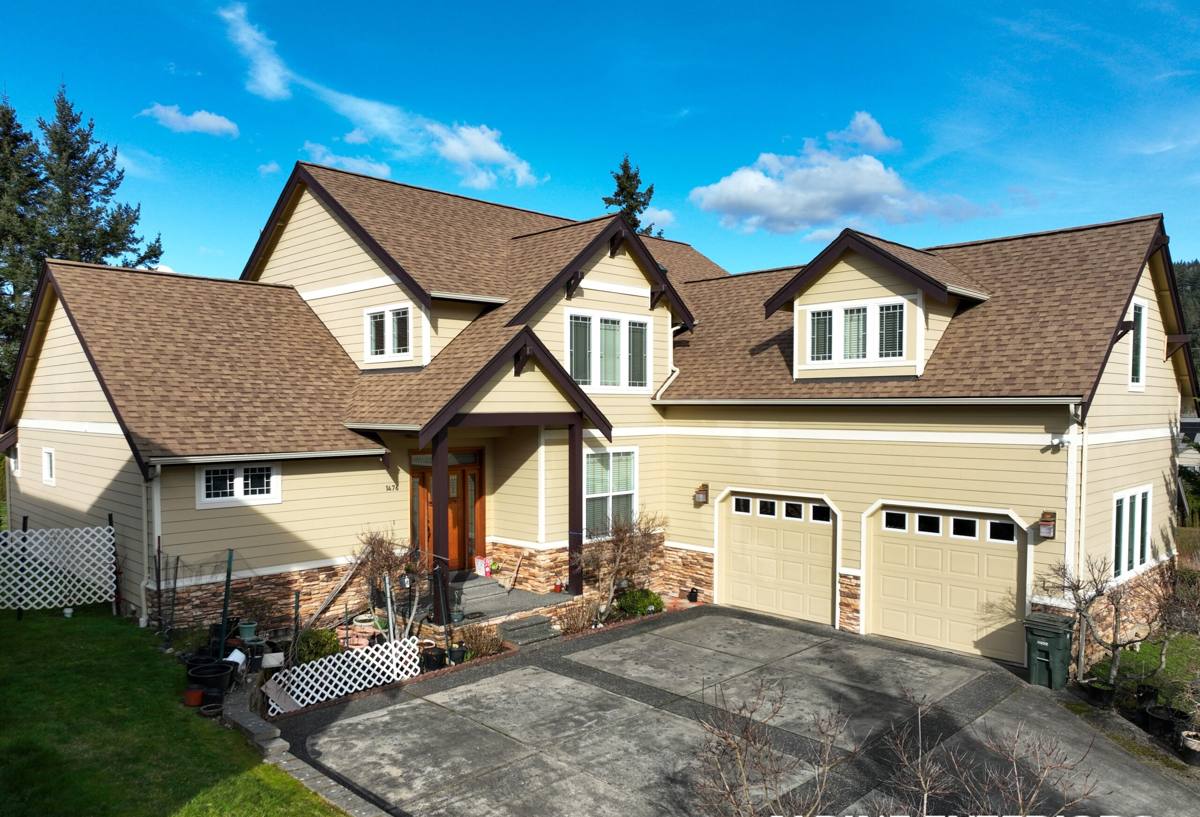
Old Northeast is one of the older, more architecturally distinct neighborhoods in St. Petersburg, and that history shows up on the roof before it shows up anywhere else. Many of these homes have gone through multiple roofs already, and the next one needs to account for both the age and character of the house and the punishing climate that comes with living in Pinellas County. A new roof installation here isn't a generic swap-and-go job. It has to work with the home's existing roofline and details while standing up to hurricane-force wind events, relentless UV exposure, wind-driven rain, and the slow corrosive effect of salt air coming off the water.
We install new roofs for homeowners throughout St. Petersburg, and Old Northeast is a neighborhood we know well. That familiarity matters more than it sounds like it should — the pitch, decking, and ventilation quirks common in this part of town aren't always the same as what you'd find in a newer subdivision a few miles inland.
What Old Northeast's Climate Does to a Roof
Florida's Gulf Coast climate is hard on every component of a roofing system, and Old Northeast's proximity to the water adds an extra layer of wear that inland neighborhoods don't deal with as much.
Wind
Hurricane-force winds put direct uplift pressure on shingles, tiles, and the fasteners holding them down. Older homes in this neighborhood were sometimes roofed under older wind-resistance standards, or repaired over the years with mismatched materials that don't perform as a unified system. A proper new roof installation follows current Florida Building Code wind-rating requirements for this region, not whatever was standard decades ago.
UV Exposure
Year-round sun breaks down roofing materials from the surface in. Asphalt shingles lose oils and granules, underlayment degrades faster than it would in a milder climate, and even metal and tile roofing benefit from coatings and installation methods that account for constant UV load.
Wind-Driven Rain
It's rarely just rain — it's rain coming in sideways during a storm, which finds every weak seam, exposed nail head, and undersized flashing detail. A roof that sheds water fine in calm weather can still leak badly under wind-driven conditions if the underlayment and flashing weren't installed with that scenario in mind.
Salt Air
Being close to Tampa Bay means airborne salt settles on roofing materials and fasteners over time. This accelerates corrosion on exposed metal components — flashing, fasteners, vents, and any exposed hardware — which is why material and fastener choice matters as much as the shingle or tile itself.
What a Correct New Roof Installation Actually Involves
A new roof is more than laying new material over the old deck. Each layer of the system does a specific job, and skipping or shortcutting any of them is where roofs in this climate tend to fail early.
- Tear-off and deck inspection: Old roofing is removed down to the deck so the plywood or wood plank sheathing underneath can actually be inspected — not guessed at. Any rotted, delaminated, or soft decking gets replaced before anything new goes down.
- Drip edge and flashing: Properly installed metal drip edge and flashing at valleys, walls, chimneys, and penetrations are what actually stop wind-driven rain from getting behind the roofing material.
- Underlayment: A synthetic or self-adhering underlayment rated for high-wind, high-UV climates goes down as the roof's real waterproofing layer — the shingles or tiles on top are the first line of defense, but the underlayment is what keeps the house dry if that first line is ever breached.
- Fastening pattern: Nail or fastener count and placement should meet or exceed the wind-rating requirements for this part of Florida, not the manufacturer's minimum for a calmer region.
- Ventilation: Proper intake and exhaust ventilation keeps attic temperatures and moisture in check, which extends the life of the decking and the underside of the new roofing material.
- Final material layer: Shingles, tile, or metal installed to manufacturer specification and matched to what actually performs well on this type of home and roofline.
Matching the Roof to the Home
Old Northeast has a mix of home styles, and the right roofing material depends on the structure, the roofline, and what the homeowner wants long-term. We walk through these trade-offs honestly rather than pushing one product for every job.
| Material | Wind Performance | UV/Sun Tolerance | Maintenance | Typical Fit |
|---|---|---|---|---|
| Architectural asphalt shingle | Strong when installed to code with proper fastening | Good with quality granule coating; degrades faster without it | Low to moderate | Most common choice; wide style and color range |
| Standing seam metal | Very strong, excellent uplift resistance | Excellent, reflects heat | Low | Homeowners prioritizing longevity and storm resistance |
| Concrete or clay tile | Strong when fastened and battened correctly | Excellent | Moderate; underlayment beneath tile still needs attention | Homes where tile suits the architectural style |
| Flat/low-slope membrane (porches, additions) | Depends heavily on installation quality | Good with reflective cap sheet | Moderate; needs periodic inspection | Additions, porches, or sections with minimal pitch |
We don't install every product on the market, and that's intentional. Some systems look good on paper but carry maintenance burdens, moisture-handling quirks, or installation sensitivities that make them a poor fit for a coastal Pinellas County climate. When we steer a homeowner away from a particular product, it's because our own standards for long-term performance in this environment come first — not because of a sales angle.
Our Process for a Old Northeast Roof Replacement
- On-site inspection: We look at the current roof, the deck condition where visible, attic ventilation, and any signs of past leaks or storm damage.
- Honest assessment: We tell you what's actually needed — full replacement, partial repair, or repair now with replacement planned later — based on the roof's real condition, not a worst-case sales pitch.
- Material selection: We go over the options that make sense for your home's style and your priorities, including realistic maintenance expectations for each.
- Permitting: New roof installations require a permit and inspection through the City of St. Petersburg. We handle that process as part of the job.
- Tear-off and installation: Full removal of the old roofing, deck repair as needed, and installation following the layered system described above.
- Cleanup and final walkthrough: Site cleanup, magnetic sweep for stray fasteners, and a final walkthrough so you understand what was done and what to expect going forward.
Why a Local, Old Northeast-Familiar Crew Matters
Roofing crews that work all over the state, or all over the country, often treat every job the same regardless of region. A crew that regularly works in St. Petersburg and Pinellas County builds up a working knowledge of the wind-rating requirements, permitting process, and the way homes in older neighborhoods like Old Northeast were originally built — knowledge that shows up in fewer surprises and fewer callbacks. It also means we're not disappearing after the job — if a fastener works loose after a storm season or a flashing detail needs a second look, we're a local outfit you can actually reach.
Signs It's Time to Talk About a New Roof
- Shingles that are curling, cracking, or missing granules in patches
- Visible sagging anywhere along the roofline
- Daylight visible through the attic decking
- Recurring leaks in the same spot despite repairs
- Roof is approaching or past the manufacturer's expected service life
- Storm damage that's affected a large portion of the roof rather than a single isolated area
Cost Factors Worth Understanding Upfront
Every roof is priced based on its own specifics, but the factors that move the number are consistent across most jobs in this area:
| Factor | Why It Matters |
|---|---|
| Roof size and complexity | More valleys, hips, dormers, and penetrations mean more flashing work and labor time |
| Deck condition | Rotted or delaminated decking found during tear-off requires replacement before installation continues |
| Material choice | Asphalt, metal, and tile carry different material and labor costs |
| Wind-rating requirements | Higher fastening schedules and rated components can add labor and material cost but reduce storm risk |
| Access and pitch | Steeper or harder-to-access roofs take longer and require more safety setup |
Broad, honest ranges vary widely based on these factors, which is why we walk every homeowner through a real, itemized estimate rather than a ballpark number pulled from a phone call.
Get a Straight Answer About Your Roof
If you're weighing repair versus replacement, or you just want an honest read on how much life is left in your current roof, we're happy to take a look. Reach out for a free, no-pressure estimate — no obligation, just a straight assessment of what your Old Northeast home actually needs.