 St. Petersburg Siding
 Why Old Northeast Roofs Take a Different Kind of Beating
Old Northeast sits close enough to Tampa Bay that its roofs deal with a combination most inland neighborhoods don't: salt-laden air that accelerates corrosion on fasteners and flashing, wind-driven rain that finds its way under lifted shingles and around poorly sealed penetrations, and hurricane-force gusts that can strip granules or tear loose an already-weakened section in a single storm. Add in Pinellas County's near-constant UV exposure, which dries out asphalt shingles and breaks down sealants faster than in cooler, cloudier climates, and you have a roof that ages differently here than it would in most of the country.
None of that means every roof needs replacing. It means repairs have to be done with the local climate in mind, not treated as a generic patch job. A repair that ignores salt air, wind uplift, or UV breakdown tends to fail again within a year or two — and often in the same spot.
Old Northeast's Housing Stock and What It Means for Repair Work
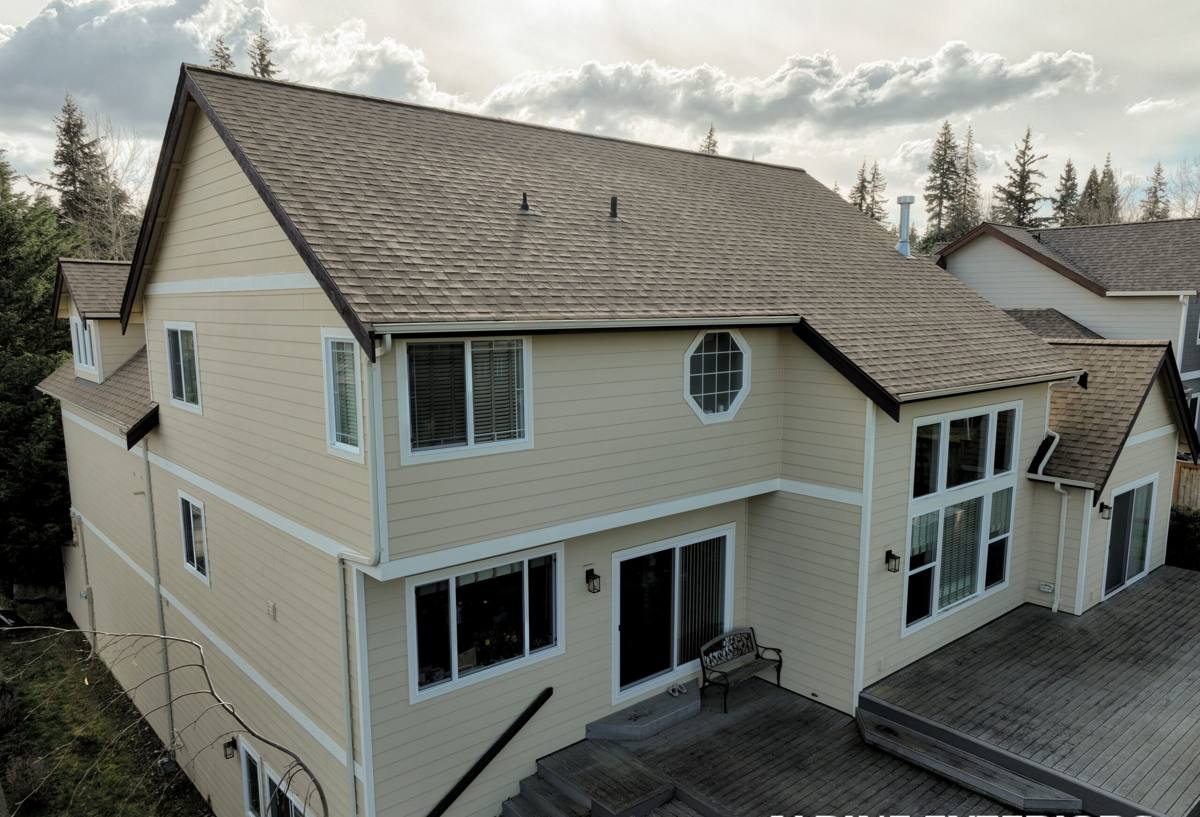
Old Northeast is known for its mature tree canopy and older homes — a mix of early-to-mid-20th-century bungalows, Mediterranean Revival houses, and later infill, many with roof lines and detailing that don't match what you'd find on a typical new-construction subdivision roof. That matters for repair work in a few concrete ways:
- Older roof decks may have been re-covered multiple times, so what looks like a simple shingle repair can reveal deteriorated sheathing underneath once we open it up.
- Steeper or more complex roof pitches, dormers, and multiple roof-to-wall intersections common on older homes create more places for flashing to fail.
- Mature trees overhanging the roof mean more debris, more shaded moisture retention, and more granule loss from limbs and branches rubbing during wind events.
- Homes with historic character often call for a repair that blends in — matching shingle profile and color rather than leaving an obvious patch — which takes more care than a strictly functional fix.
Common Roof Problems We See and Fix in This Neighborhood
Wind-Lifted and Cracked Shingles
Repeated wind events loosen shingle tabs and break the factory seal strip, even when nothing tears off outright. Once that seal is broken, wind-driven rain can work its way underneath during the next storm. We look for lifted edges and cracked tabs during every inspection, not just obvious missing shingles, because those are the failures that lead to interior leaks weeks or months later.
Flashing Failures at Chimneys, Walls, and Roof Valleys
Flashing — the metal that seals transitions between roof planes, chimneys, and walls — is where most leaks actually originate, even when the shingles themselves look fine. Salt air speeds up corrosion on older or thin-gauge flashing, and step flashing that was installed incorrectly (or has simply worked loose over decades) is a common source of hidden leaks on older Old Northeast homes.
Soffit, Fascia, and Roof-Edge Rot
Because we work on siding as well as roofs, we pay close attention to the roof edge, soffit, and fascia — the boundary where the roof system meets the exterior wall. Wind-driven rain and poor attic ventilation both show up here first as soft or discolored wood, and it's a spot that's easy to miss if a repair only looks at the shingle field.
Leaks Around Vents, Skylights, and Penetrations
Every pipe boot, exhaust vent, and skylight curb is a potential leak point. Rubber pipe boots in particular degrade under year-round Florida UV exposure faster than most homeowners expect, cracking and letting water in long before the surrounding shingles show any wear.
Granule Loss and UV Breakdown
Constant sun exposure bakes the oils out of asphalt shingles over time, leaving them brittle and shedding granules. This shows up as bald patches, sand-like buildup in gutters, and shingles that crack when walked on. It's a sign of aging, not necessarily an emergency, but it's worth tracking so a small repair now doesn't turn into a bigger one later.
What a Correct Repair Actually Involves
Diagnosing the Real Source of a Leak
Water doesn't always show up on the ceiling directly below where it enters the roof — it can travel along rafters or sheathing before dripping somewhere else entirely. A correct repair starts with tracing the leak to its actual source, not just patching the spot where the stain appeared. That sometimes means checking the attic, examining flashing at multiple points, and ruling out condensation or ventilation issues before assuming it's a roofing leak at all.
Matching Materials, Not Just Covering the Damage
A patch that doesn't match the surrounding shingle's profile, color, and age creates a weak point and looks obviously out of place — a real concern on a home with historic character. We source shingles and flashing that match as closely as possible, and where an exact match isn't available, we explain the trade-offs honestly rather than installing something that will stand out or perform differently than the rest of the roof.
Building In Wind and Water Resistance, Not Just Sealing the Surface
Florida's building code sets wind-uplift and moisture-barrier standards that apply to roofing work in coastal, hurricane-prone counties like Pinellas — proper nailing patterns, sealed underlayment laps, and correctly installed flashing all matter more here than in most of the country. A repair that only addresses the visible symptom without meeting those standards is a repair that's likely to fail again in the next significant storm.
Our Roof Repair Process for Old Northeast Homes
- Inspection. We walk the roof (where safe to do so) and check the attic for signs of moisture, checking flashing, penetrations, and roof edges, not just the shingle field.
- Honest diagnosis. We tell you what's actually causing the problem, what it will take to fix it correctly, and whether a targeted repair makes sense versus a larger scope of work.
- Written estimate. You get a clear scope of work and price before anything starts — no vague "we'll see once we're up there" pricing.
- Repair. We match materials where possible, address the root cause (not just the visible symptom), and follow code-compliant fastening and flashing practices.
- Cleanup and walkthrough. We clear debris and old materials from your property and walk you through what was done.
Repair vs. Replacement: How to Think About It
Not every roof problem calls for a full replacement, and not every roof is a good candidate for another round of patching. These are the factors that typically drive that decision:
| Factor | Leans Toward Repair | Leans Toward Replacement |
|---|---|---|
| Roof age | Under 15 years, or a newer roof with isolated damage | Approaching or past the shingle's expected service life |
| Extent of damage | Localized — a section, a valley, a flashing point | Widespread granule loss, multiple failure points, recurring leaks in different spots |
| Storm history | Single event with contained damage | Cumulative wind and hail exposure across many seasons |
| Deck condition | Sheathing is sound once opened up | Rot or soft spots found in the decking itself |
| Cost pattern | One repair addresses the issue | You're paying for repairs on the same roof every year or two |
When we're not sure which side of that line a roof falls on, we say so and explain what we'd want to check before committing either way. A repair should solve the problem — it shouldn't be a stopgap that gets you back on our schedule again in eight months.
Why Working With a Crew That Knows This Neighborhood Matters
Old Northeast has its own mix of building ages, roof styles, and tree cover, and a contractor who's worked here before isn't guessing at what they'll find. That familiarity matters for a few practical reasons: knowing what permitting typically looks like with the city for roof repair work, knowing how to work carefully around mature landscaping and tight lot lines that are common in older, established neighborhoods, and having a track record of matching repairs to older roof styles instead of leaving a patch that looks bolted on. Licensing and insurance are non-negotiable basics anywhere in Florida, but local, repeat experience in a specific neighborhood is what keeps a repair from becoming a repeat visit.
Between Repairs: A Homeowner's Maintenance Checklist
A little attention between service calls goes a long way toward avoiding surprise leaks, especially heading into storm season. Worth checking a few times a year:
- Clear gutters and downspouts so wind-driven rain has somewhere to go instead of backing up under the roof edge
- Trim tree limbs that overhang or rub against the roof surface
- Look in the attic after heavy rain for damp insulation, staining, or daylight coming through the decking
- Check around chimneys, vents, and skylights from the ground with binoculars for visibly lifted or missing shingles
- Note any granules collecting in gutters or at downspout outlets — a sign of accelerating shingle wear
- Have the roof looked at after any named storm, even if you don't see obvious damage from the ground
If you're dealing with a leak, storm damage, or just want an honest read on where your roof stands, we're glad to take a look and give you a straightforward, no-pressure estimate. Fill out the form below and we'll follow up to schedule a time that works.