 St. Petersburg Siding
 Why Pinellas Park Decks Wear Out Faster Than the Brochures Suggest
Pinellas Park sits in the middle of Pinellas County, close enough to Tampa Bay and the Gulf that salt-laden air, heavy humidity, and intense UV exposure are part of daily life for every outdoor structure in the area. A deck here isn't just furniture in the backyard — it's a structure that has to survive year-round sun, sudden afternoon downpours, hurricane-season wind gusts, and the slow corrosive drip of salt air on every metal fastener. Most decks don't fail because the idea behind them was bad. They fail because they were built with framing, fasteners, or footings that were never matched to this climate in the first place.
When a deck in this area starts to feel spongy, when boards cup and crack, or when the railing wobbles more than it used to, that's rarely a one-board problem. It's usually a sign the whole system underneath has been quietly losing strength for years.
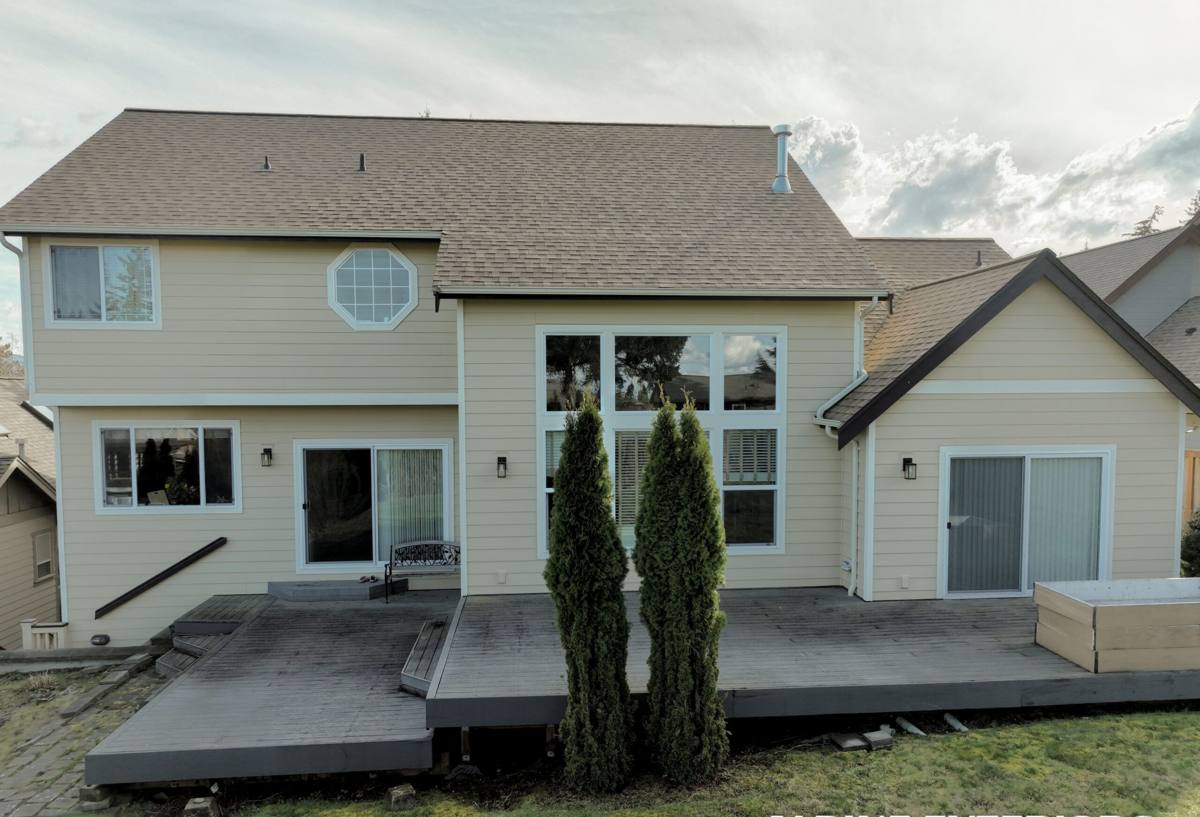
Signs a Deck Needs Replacement, Not Another Patch Job
Homeowners often call us thinking they need a few boards swapped out, and sometimes that's true. But there's a point where patching stops making sense and full replacement becomes the honest recommendation. Here's how we tell the difference on a typical Pinellas Park property:
- Soft or spongy spots in the decking that indicate moisture has reached the framing underneath, not just the surface boards
- Rust staining bleeding out around fasteners or joist hangers, a common sign of galvanic corrosion accelerated by salt air
- Ledger board separation from the house, which is one of the most common causes of full deck collapse nationwide
- Posts or footings that have shifted, settled, or show rot at the base where they meet the ground
- Railings that flex noticeably under hand pressure — a safety issue, not a cosmetic one
- A deck original to a home built more than 15-20 years ago that has never had its structural framing inspected
If two or more of these show up during a walkthrough, we generally recommend replacement over repair. Patching a structural problem just delays the real fix and adds cost you'll pay twice.
What a Correct Deck Replacement Actually Involves
A deck that's going to hold up in Pinellas County weather needs more attention paid to what's underneath and holding it together than to the decking surface itself. That's the part homeowners see least and contractors sometimes rush most.
Framing and Footings
We size joists, beams, and footings to the actual load and span, not to whatever lumber happens to be on the truck. In this region, footing depth and bearing matter because of sandy soils common near the bay and the heavy, fast rainfall that can saturate ground quickly during summer storms. Undersized or shallow footings are one of the quiet reasons decks develop a bounce or lean over time.
Ledger Attachment
Where the deck ties into the house is the single most safety-critical connection on the entire structure. It needs proper flashing to keep water from getting behind it and correct fastening to resist both vertical load and lateral pull — the kind of force a deck sees during high-wind events. A poorly flashed ledger is an invitation for hidden rot in the house's rim joist, not just the deck.
Fasteners and Hardware
This is where salt air does the most damage, and it's the detail most likely to get skipped on a budget rebuild. Standard galvanized fasteners can corrode faster than expected within a few miles of the coast, especially in contact with certain treated lumber chemistries. We use fasteners and structural connectors rated for coastal or ACQ-treated lumber compatibility, because a corroded joist hanger you can't see is far more dangerous than a worn board you can.
Decking Material
The surface material is where most homeowners focus, and it's a real decision with real trade-offs — not a one-size-fits-all answer.
| Material | Upfront Cost | Maintenance | Heat & Sun Behavior |
|---|---|---|---|
| Pressure-treated wood | Lowest | Needs regular sealing/staining; more sensitive to moisture cycling | Can splinter and gray faster under intense UV without upkeep |
| Composite decking | Mid to higher | Low; occasional cleaning, no sealing | Some products retain more heat underfoot in direct sun |
| PVC/capped polymer | Highest | Lowest; highly moisture-resistant | Generally stable in sun, but quality and warranty vary by brand |
There's no universally "best" choice here — it depends on your budget, how much upkeep you're willing to do, and how long you plan to stay in the home. We'll walk through the honest trade-offs for your specific deck rather than pushing whichever material has the best margin.
Wind, Code, and What "Built to Last" Actually Means Here
Pinellas County sits in a wind zone where structures — including decks — need to be built to resist significant wind loads, not just support foot traffic. That affects post spacing, connector selection, and how railings and stair stringers are attached. A deck that would pass inspection in a low-wind inland state can be genuinely under-built for a property here. Permitting requirements and inspection steps apply to most deck replacement projects in this area, and skipping that process doesn't just risk a fine — it can leave you without recourse if something goes wrong structurally down the road. We handle the permitting and inspection scheduling as part of the job so it's not something you have to chase down yourself.
How Our Deck Replacement Process Works
- On-site assessment — We inspect the existing structure from the footings up, not just the decking surface, and identify exactly what's driving the failure.
- Honest scope and estimate — You get a clear breakdown of what's structural, what's cosmetic, and what your material options cost and require in upkeep.
- Permit filing — We prepare and file the permit paperwork so the project meets local code requirements from the start.
- Demolition and disposal — Full removal of the old deck, including any compromised framing and footings, hauled off the property.
- Rebuild from the ground up — New footings, framing, ledger flashing, and hardware sized and rated for this region's wind and moisture conditions.
- Decking, railing, and finish work — Installed per manufacturer specifications, whether that's wood, composite, or PVC.
- Final inspection — Coordinated so the finished deck is signed off, not just visually complete.
What Drives the Cost of a Deck Replacement
Every property is different, but the same handful of factors move the price up or down on nearly every job we quote in this area:
| Factor | Why It Matters |
|---|---|
| Deck size and footprint | Larger square footage means more framing, footings, and decking material |
| Height above grade | Taller decks need more substantial post and railing engineering, plus stairs |
| Decking material chosen | Wood, composite, and PVC have significantly different material costs |
| Condition of existing footings | Reusable footings save cost; failed or undersized ones add scope |
| Access to the site | Tight side yards or fenced-in backyards can add labor time |
| Permit and inspection requirements | Larger or elevated decks typically require more inspection steps |
Keeping a New Deck Sound in a Coastal Florida Climate
The work doesn't end when the last board is fastened down. A little routine attention goes a long way toward protecting the investment, especially given the year-round sun and salt exposure typical in Pinellas County:
- Rinse the deck surface periodically to clear salt residue, especially after windy stretches
- Check fastener heads and joist hangers annually for early signs of corrosion
- Reseal or restain wood decking on the schedule the product actually requires, not just when it looks faded
- Keep gutters and downspouts near the deck clear so runoff isn't pooling against posts or footings
- Inspect the ledger flashing after major storms for any signs water has found a way behind it
- Trim back vegetation touching the deck structure to reduce moisture retention against wood or fasteners
Why It Matters to Hire a Crew That Already Works in Pinellas Park
Deck-building fundamentals don't change from state to state, but the details that make a deck last do. A crew that regularly works in Pinellas Park and the surrounding St. Petersburg area already knows which fastener grades hold up here, how local permitting offices expect plans submitted, and how footing depth needs to account for the sandy, moisture-prone soil common near the bay. That local familiarity shows up less in the sales pitch and more in the parts of the deck you never see once it's finished — the flashing, the hangers, the footings — which are exactly the parts that determine whether a deck lasts five years or twenty-five.
If your deck is showing its age, feels less solid than it used to, or you're simply ready to replace an old one with something built correctly for this climate, we're happy to take a look and walk you through what we find. Fill out the form below for a free, no-pressure estimate on your Pinellas Park deck replacement.