 St. Petersburg Siding
 Why Pinellas Park Homes Need More Than a "Standard" Window
Pinellas Park sits in the middle of Pinellas County, close enough to Tampa Bay and the Gulf that homes here deal with the same punishing mix of conditions as the rest of the barrier peninsula: long stretches of intense UV, salt-laden humid air, wind-driven rain that finds every gap in a building envelope, and the very real possibility of hurricane-force winds during storm season. A window that was built for a mild climate somewhere up north simply was not engineered for any of that. When we talk about "energy-efficient windows" for a Pinellas Park home, we're not just talking about a lower utility bill — though that matters — we're talking about a window that can survive this climate long enough to actually deliver on its efficiency promise for 15, 20, or 30 years.
A lot of the older window stock in this part of Pinellas County is single-pane aluminum-framed glass, installed decades ago when energy codes were far looser and hurricane protection requirements were much less strict. Those windows leak conditioned air, transmit heat directly through the metal frame, and often have failed or failing seals. Replacing them correctly, with the right glass package and the right installation detailing, is one of the highest-value exterior upgrades a Pinellas Park homeowner can make.
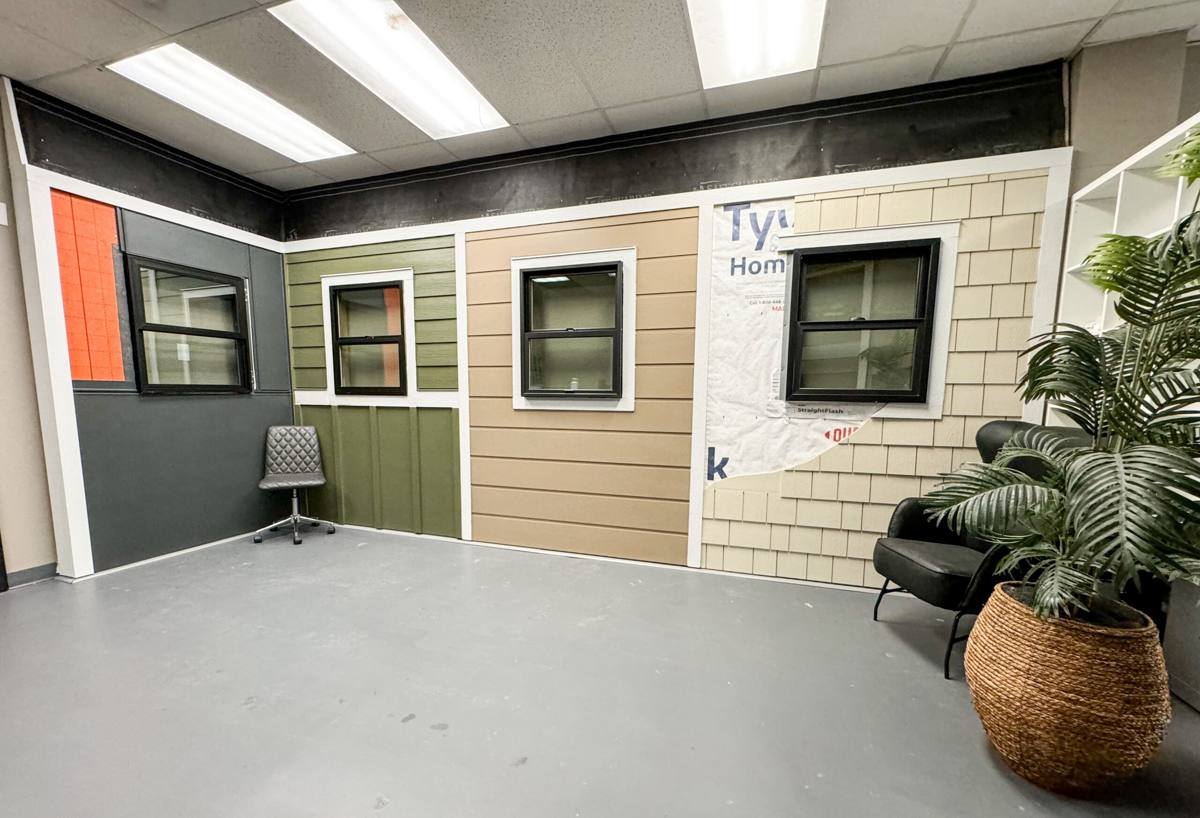
What "Energy-Efficient" Actually Means in This Climate
Energy efficiency in a Florida window is a combination of several factors working together — no single spec tells the whole story.
Low-E Coatings and Solar Heat Gain
In Pinellas Park, the bigger enemy most of the year is heat gain, not heat loss. A low-emissivity (Low-E) coating reflects infrared radiation back outside while still letting visible light through, which keeps interior spaces cooler without turning your home into a dark box. For this latitude, we generally recommend glass packages with a low Solar Heat Gain Coefficient (SHGC), since that number has the most direct impact on your air conditioning load during our long cooling season.
Frame Material and Thermal Performance
Aluminum conducts heat efficiently — great for a skillet, bad for a window frame. Vinyl and fiberglass frames insulate far better and don't transfer outside heat directly into your home's interior surfaces. Frame choice also affects how the window handles humidity and salt exposure over time, which we cover in more detail below.
Impact Resistance and the Building Envelope
Pinellas County falls within Florida's wind-borne debris region under the Florida Building Code, which generally means new and replacement windows need to either be impact-rated or paired with approved storm protection. This isn't just a hurricane feature — an impact-rated window with laminated glass also does a better job blocking UV transmission and cutting outside noise, so it pulls double duty as an efficiency and comfort upgrade even on a calm, sunny day.
Installation Sealing and Air Infiltration
A high-performance window installed with poor flashing or a sloppy sealant job will still leak air and eventually water. The glass and frame ratings only matter if the installation around them is done correctly — we'll get into what that involves further down.
Signs Your Current Windows Are Costing You Money
- Rooms near the windows feel noticeably hotter than the rest of the house in the afternoon
- You can feel air movement near the frame on a windy day, even with the window closed
- Condensation or fogging between panes of a double-pane unit — a sign the seal has failed
- Frames that are pitted, chalky, or corroded, which is common with aluminum exposed to salt air
- Difficulty opening, closing, or locking windows due to frame warping or settling
- Visible daylight or drafts around the frame from inside the house
- A cooling bill that seems high relative to the size and age of your home's AC system
Any one of these on its own might not mean much, but a home with several of these signs is usually losing real money every month to windows that are working against the air conditioning system instead of with it.
Comparing Window Options for a Pinellas Park Home
There isn't one "correct" window for every house — the right choice depends on your budget, your home's age and construction, and how exposed the elevation is to prevailing wind and salt spray. Here's how the common options stack up for this specific climate.
| Window Type | Energy Performance | Storm/Wind Suitability | Long-Term Maintenance |
|---|---|---|---|
| Impact vinyl, Low-E, dual-pane | Strong | Excellent — laminated glass, no shutters needed | Low — vinyl resists salt corrosion well |
| Impact aluminum, Low-E, dual-pane | Good | Excellent | Moderate — frame needs monitoring for pitting near the coast |
| Non-impact vinyl, Low-E, dual-pane | Strong | Requires separate shutters or panels | Low |
| Single-pane aluminum (typical older stock) | Poor | Requires shutters; glass not laminated | High — frequent seal and hardware issues |
For most Pinellas Park homeowners doing a full replacement, an impact-rated vinyl window with a Low-E dual-pane glass package hits the best balance of efficiency, storm protection, and long-term upkeep. Where a home's architecture or HOA requirements call for a different frame profile, aluminum impact windows remain a solid option — they just need a bit more attention to the finish over time given the salt exposure this area gets.
What a Correct Installation Actually Involves
The window unit itself is maybe half the job. The other half is everything that happens at the rough opening, and it's where a lot of energy loss and future water intrusion problems actually originate.
Removal and Opening Inspection
We remove the old window and inspect the framing and sill underneath before anything new goes in. This is often the first look anyone's had at that structure in decades, and it's the right time to catch rot, corrosion, or prior water damage before it's sealed behind a new window.
Flashing and Weatherproofing
Proper flashing tape and sealant around the rough opening are what actually keep wind-driven rain out during a Gulf storm — the window's own weatherstripping is a second line of defense, not the first. This step gets skipped or rushed more often than any other part of a window job, and it's usually invisible until a storm exposes the problem.
Shimming and Fastening
The window has to be shimmed level, plumb, and square, then fastened per the manufacturer's installation instructions and the product's impact rating documentation. An impact-rated window that isn't fastened to spec doesn't perform to its rating, no matter what the label says.
Sealant and Interior/Exterior Finish
Exterior sealant, interior trim, and any stucco or siding patching around the new frame get finished to match the surrounding wall. A clean finish isn't just cosmetic — gaps in the exterior finish are entry points for moisture.
Our Process, Start to Finish
- Free on-site estimate — we walk the exterior with you, check each window's condition and exposure, and talk through what's actually needed versus what's optional.
- Product selection — we go over frame material, glass package, and impact rating options based on your budget and how exposed your home is.
- Measurement and ordering — precise measurements matter for both fit and code compliance; we don't order off rough guesses.
- Permitting — window replacement in Pinellas County generally requires a permit and inspection; we handle the paperwork so you don't have to chase it down.
- Installation — removal, opening inspection, flashing, setting, and finishing, done in a logical order per opening so your home isn't left exposed longer than necessary.
- Final walkthrough and inspection — we confirm operation, sealing, and finish with you, and coordinate the required inspection sign-off.
What Drives Cost
| Factor | Why It Matters |
|---|---|
| Impact vs. non-impact glass | Impact-rated laminated glass costs more up front but removes the need for separate storm shutters or panels |
| Frame material | Vinyl is typically more budget-friendly than aluminum or fiberglass for comparable performance |
| Number and size of openings | Larger openings and sliding or picture windows cost more per unit than standard operable windows |
| Condition of the existing opening | Rot, corrosion, or out-of-square framing found during removal adds labor to correct before the new window goes in |
| Access and second-story work | Upper-floor or hard-to-access openings take more time and equipment |
We give a firm, itemized quote after the on-site estimate rather than a rough number over the phone — the condition behind the old window is often the biggest variable, and we won't know it until we can see it.
Permits and Code Compliance
Because Pinellas County sits in Florida's wind-borne debris region, window replacements here are subject to specific wind-load and impact standards under the Florida Building Code, and the work generally needs to be permitted and inspected by the local building department. Skipping the permit might save a little time up front, but it can create real problems later — at resale, with insurance claims, or if the work doesn't hold up in a storm. We pull the required permits and schedule inspections as a standard part of the job, not an add-on.
Why Local Experience in Pinellas Park Matters
A crew that works this specific area regularly knows the kinds of homes and openings common to Pinellas Park, has a working relationship with the county permitting process, and understands how quickly Gulf-side weather can turn a multi-day project into a scheduling puzzle. That familiarity shows up in small but real ways: fewer surprises during the permit review, a realistic install schedule that accounts for weather windows, and a crew that isn't learning the local code requirements on your job.
It also matters for follow-up. If a seal ever needs adjustment or a screen needs replacing down the road, you want a company that's still local and still reachable — not one that did a single job in the area and moved on.
Questions to Ask Before You Hire
- Is the impact rating and wind-load documentation for this specific product available in writing?
- Who pulls the permit, and is that included in the quote?
- What's the manufacturer's warranty on the glass and frame, and what's your labor warranty on the installation?
- How is the rough opening inspected and treated if rot or damage is found?
- What flashing and sealant method is used around the frame?
- How many Pinellas Park or nearby Pinellas County installs has the crew actually completed?
If a contractor can't answer these clearly and specifically, that's worth noting before you sign anything.
Get a Free, No-Pressure Estimate
If your windows are original to the house, feel drafty, or just aren't keeping up with the Pinellas County heat and humidity anymore, it's worth having a local crew take a look. Fill out the form below for a free, no-pressure estimate on energy-efficient window replacement for your Pinellas Park home.