 St. Petersburg Siding
 Why Deck Replacement Looks Different in Pinellas Point
Pinellas Point sits at the southern edge of St. Petersburg, close to the open water of Tampa Bay, which means the homes here take a heavier climate load than decks just a few miles inland. Salt-laden air corrodes hardware faster, near-constant Florida sun breaks down wood fibers and finishes, and wind-driven rain during storms and summer squalls finds its way into every gap a deck wasn't built to resist. A deck that would hold up fine in a drier, inland climate can fail years early here if it wasn't built with that exposure in mind.
That's the difference between a deck that just needs a few boards swapped and one that needs a full replacement. Repairs treat what you can see. Replacement lets us open things up, check the framing and connections that are actually holding the structure together, and rebuild with materials and hardware matched to a bay-front climate instead of a generic build spec.
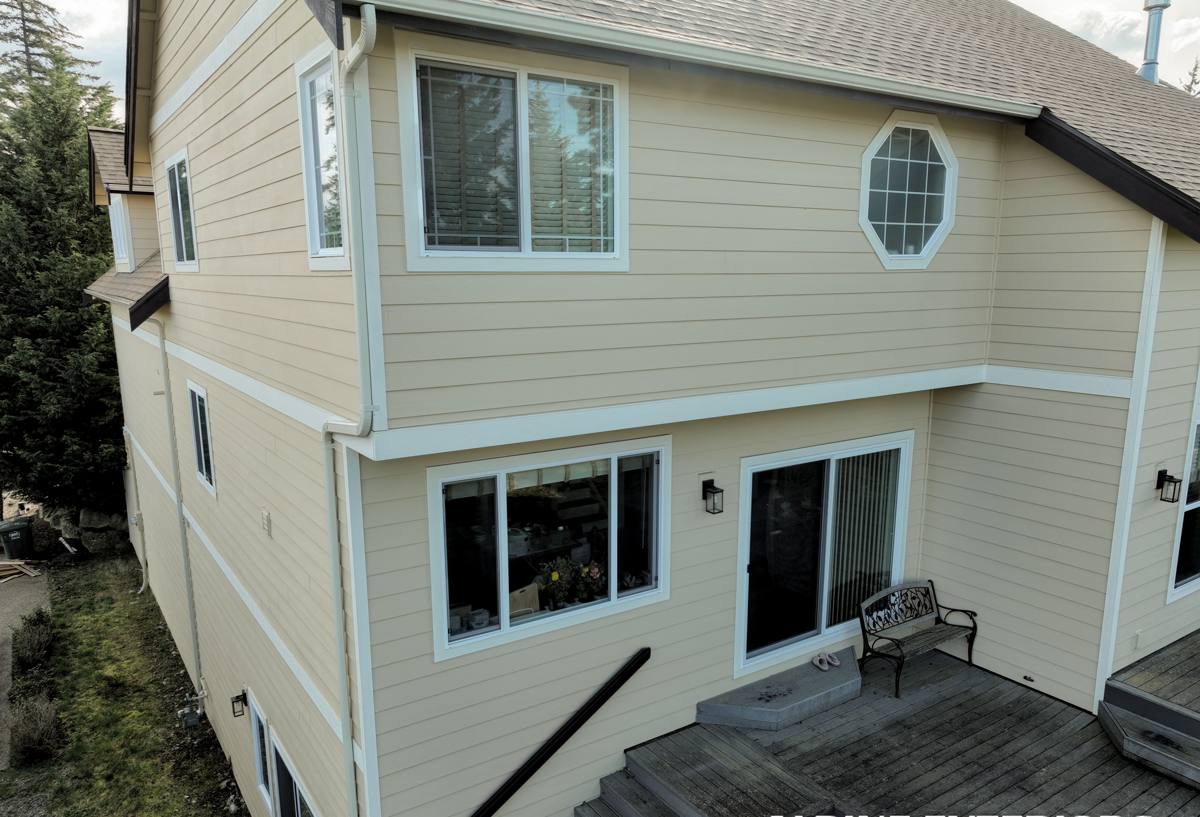
Signs Your Deck Needs Replacement, Not Repair
Homeowners often call us thinking they need a handful of boards replaced, and sometimes that's true. But certain signs point to a structural problem that repair alone won't fix:
- Boards that feel soft, spongy, or spring back slowly when you step on them
- Rust streaks bleeding out around fastener heads or hardware
- Any separation or daylight gap between the ledger board and the house
- Railings or posts that wobble or flex under light pressure
- Visible rot or splitting where posts meet footings, especially at ground level
- Composite boards that are delaminating, flaking, or swelling at cut edges
- Noticeable bounce or give when multiple people walk across the deck
- Fastener holes that have grown loose or oval-shaped from years of movement
Any one of these on its own might be a repair. Two or three together, especially involving the ledger board or the posts and footings, usually mean the structure itself has been compromised and a full rebuild is the honest recommendation.
What a Correct Deck Replacement Involves
A deck is only as good as the parts you don't see once it's finished. In a coastal Pinellas County climate, three areas matter more than anywhere else.
Ledger Board and Flashing
The ledger board — where the deck attaches to the house — is the single most common failure point on Florida decks, and it's almost always a moisture problem, not a wood problem. Wind-driven rain gets behind an improperly flashed ledger and rots the band board and framing from the inside, often without any visible sign until the deck is already unsafe. A correct install means proper flashing that sheds water away from the house, through-bolted connections rather than relying on lag screws alone, and a gap or drainage path so trapped moisture has somewhere to go.
Footings and Post Bases
Pinellas Point's soil and water table are typical of the barrier peninsula — sandy, well-draining in spots, and closer to grade than you'd find further inland. Footings need to be sized and set to local code depth for the loads they're carrying, not just "deep enough to look right." Post bases should hold the wood up off the concrete so it isn't sitting in standing water after every heavy rain, which is one of the fastest ways to start rot at the base of an otherwise sound post.
Fasteners and Hardware
Standard galvanized fasteners corrode faster this close to the bay than they would inland. We build with stainless steel or coated fasteners rated for coastal exposure, along with joist hangers, hurricane ties, and post connectors rated for wind uplift. It costs more up front than using whatever hardware is on the shelf, but it's the difference between hardware that's still solid in ten years and hardware that's rusting through in three.
Choosing the Right Decking Material for Salt Air and Sun
There's no single "best" decking material — it depends on your budget, how much maintenance you're willing to do, and how much direct sun and salt exposure your deck actually gets. Here's how the common options compare in this climate specifically.
| Material | Upfront Cost | Maintenance | Coastal Durability | Heat & UV Behavior |
|---|---|---|---|---|
| Pressure-Treated Wood | Lowest | Annual sealing/staining needed | Good if maintained; vulnerable if neglected | Can crack, gray, and splinter under year-round UV |
| Capped Composite | Mid to High | Occasional washing, no sealing | Strong resistance to moisture and salt | UV-stabilized cap resists fading; can run warm underfoot in direct sun |
| PVC Decking | Highest | Minimal, no sealing or staining | Excellent — fully moisture resistant, doesn't rot | Very stable in heat and sun, minimal expansion issues |
Wood costs less to install but demands the most upkeep to survive this climate — skip a year of sealing and UV damage and humidity start working against it fast. Capped composite and PVC cost more initially but are built to shrug off the moisture and sun exposure that wear wood down, which is why we see more homeowners near the water choosing them even with the higher price tag. We'll walk through the honest trade-offs for your specific deck rather than push one product across the board.
Permits, Code, and Wind Load in Pinellas County
Deck replacement in St. Petersburg isn't a project you can skip permitting on, and you shouldn't want to — an unpermitted deck can become a real problem at resale or with your insurance carrier if there's ever storm damage. Structural work needs to meet the wind-load provisions of the Florida Building Code, which govern how framing is sized, how connections are fastened, and how the structure resists uplift during hurricane-force wind events. We pull the required permits, build to the load requirements for this area, and schedule the inspections needed to close the permit out properly, so you have a deck that's not just built well but documented as built well.
Railings, Stairs, and Guard Details
Guardrails and stairs are where a lot of deck failures start, because they take direct impact and constant flexing that flat decking doesn't. Code requirements set minimum guard heights and maximum baluster spacing so a small child can't slip through, and stair stringers need to be sized for the actual run and rise, not estimated. On a replacement, we rebuild these to current code even if the deck being replaced was built under an older standard — it's one of the areas where cutting corners creates real safety risk, not just a cosmetic issue.
Our Deck Replacement Process
We keep the process straightforward and the same whether it's a small platform deck or a larger structure:
- On-site assessment of the existing deck, ledger connection, and framing to confirm replacement is the right call
- Written scope and material selection based on your budget and how the deck gets used
- Permit application with the City of St. Petersburg or Pinellas County as applicable
- Full demo of the old structure, including inspection of the house band board once it's exposed
- Framing rebuild with corrosion-resistant hardware and correctly flashed ledger connection
- Decking, railing, and stair installation to current code
- Final inspection and walkthrough before we consider the job done
We don't skip the inspection step at the ledger and framing stage, even though it means the project isn't fully closed up in one visit. Catching a framing issue before the decking goes down is far cheaper than finding it after.
Why a Crew That Already Works Pinellas Point Matters
A deck built by a crew that hasn't worked this specific stretch of coastline will often build to a generic spec — fine for an inland climate, undersized for what Pinellas Point actually sees. We already know the wind exposure this close to Tampa Bay, the soil and water table conditions that affect footing depth, and the level of salt air that makes standard hardware a bad long-term bet here. We also already have a working relationship with the local permitting process, which means fewer surprises and delays getting your project approved and inspected. That local familiarity isn't a marketing line — it shows up directly in how long the permit takes, how the footings are sized, and what hardware goes into the frame.
Get a Free, No-Pressure Estimate
If your deck is showing any of the warning signs above, or you just want an honest opinion on repair versus replacement, we're happy to come take a look. Fill out the form below for a free estimate on deck replacement for your Pinellas Point home — no pressure, no obligation, just a straight assessment of what your deck actually needs.