 St. Petersburg Siding
 Roofing in a Peninsula Neighborhood
Pinellas Point sits on a finger of land with water on three sides, which means the homes here take on more weather exposure than roofs just a few miles inland in St. Petersburg. Being surrounded by Tampa Bay and the Gulf isn't just a lifestyle perk — it's a constant workload for a roof. Salt-laden air, near-daily UV exposure, and the wind-driven rain that comes with almost every serious storm all combine to age roofing materials faster than they age in drier, inland climates. When a roof replacement makes sense here, the details of how it's done matter more than they would in a less demanding environment.
This page covers what roof replacement actually looks like for a Pinellas Point home: what the climate does to different roofing systems, what a correct tear-off and install involves, how our process runs from first call to final walkthrough, and why local experience in this specific pocket of Pinellas County is worth something when you're picking a contractor.
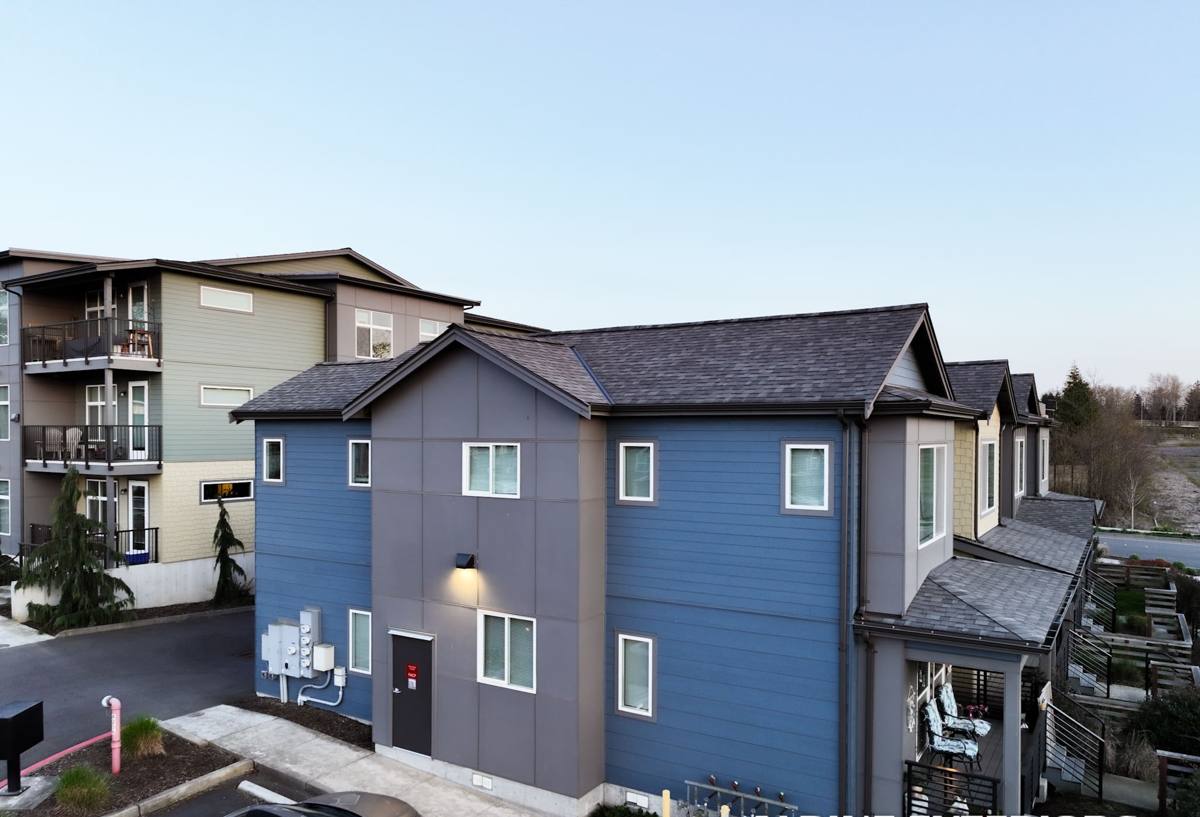
What Pinellas Point's Climate Does to a Roof
Wind
Hurricane-force and tropical-storm-force winds are a real design consideration here, not a hypothetical. Roofing systems fail in wind mainly at the edges and corners first — that's where uplift pressure concentrates. A roof that looks fine from the ground can have marginal fastening at the perimeter that only shows up when a storm actually tests it.
UV
Florida's sun is intense and consistent almost year-round. UV breaks down the asphalt in shingles, dries out the oils that keep them flexible, and accelerates granule loss. Metal and tile handle UV differently than shingles do, which is part of why material choice matters more here than in milder climates.
Wind-driven rain
It's not just how much rain falls — it's the angle it falls at during a storm. Wind-driven rain gets pushed sideways and upward under shingle tabs, around flashing, and into any gap that a calm-weather rain would never reach. This is why underlayment quality and flashing detail work matter as much as the shingles themselves.
Salt air
Proximity to the bay and Gulf means airborne salt settles on roofing surfaces and any exposed metal — fasteners, flashing, vents, drip edge. Salt accelerates corrosion in lower-grade metal components, which is a slow, easy-to-miss failure mode compared to wind or storm damage.
Signs a Pinellas Point Roof Needs Replacement, Not Just Repair
Not every roof problem calls for a full replacement. But there are signs that tell us patching would just be delaying the inevitable and spending money that should go toward a real fix:
- Granule loss heavy enough that you can see bare or shiny patches on shingles, especially on south- and west-facing slopes
- Shingles that are cupping, curling, or cracking across large sections rather than isolated spots
- Soft or spongy decking felt underfoot in the attic, or visible sagging along roof planes
- Repeated leaks in different locations after past repairs — a sign the underlayment or decking has failed broadly, not just at one point
- Roof age at or past the manufacturer's expected service life for our climate, combined with any of the above
- Visible corrosion or rust streaking from metal flashing, vents, or fasteners
- Missing or lifted shingles after a storm in numbers beyond what a targeted repair can reasonably address
If a roof shows just one or two of these in a limited area, repair is usually the honest recommendation. When several show up together, or the roof is already near the end of its expected life, replacement is typically the more cost-effective path — repeated repairs on an aging roof add up and still leave the underlying problem in place.
What a Correct Roof Replacement Actually Involves
A roof replacement is more than swapping old shingles for new ones. In a climate like ours, the work that happens beneath the visible surface is what determines whether the new roof holds up through its first real storm season.
Full tear-off
We remove the existing roofing down to the deck rather than layering over old material. Layering hides deck problems, traps moisture, and voids most manufacturer warranties — it's not a shortcut we take.
Deck inspection and repair
Once the deck is exposed, we check it for water damage, soft spots, and delamination. Any compromised sections get replaced before anything new goes down. Skipping this step is one of the most common ways a roof replacement fails early.
Underlayment
Given how much wind-driven rain this area sees, underlayment is not a place to cut corners. A synthetic or self-adhering underlayment, installed with attention to lap direction and fastening pattern, is the second line of defense if wind ever drives water past the roof covering itself.
Flashing
Valleys, chimneys, wall intersections, and roof penetrations are where most leaks actually originate — not the open field of shingles. Correct flashing means new metal, properly lapped and sealed, not old flashing reused to save time.
Fastening for wind
Nail pattern and fastener count matter more here than in a low-wind region. We follow manufacturer wind-rated installation specs and Florida Building Code requirements for our wind zone, which typically call for more fasteners per shingle than the national minimum.
Ventilation
Proper intake and exhaust ventilation keeps attic temperatures and moisture in check, which protects the deck from the underside and helps shingles last through the UV load they take from above.
Comparing Roofing Materials for This Climate
There's no single "best" roofing material for every home — it depends on budget, roof structure, and how long you want to go before the next replacement. Here's how the common options stack up for a coastal Pinellas County property:
| Material | Wind performance | Salt air / UV durability | Typical lifespan here | Relative cost |
|---|---|---|---|---|
| Architectural asphalt shingle | Good, when installed to wind-rated spec | Moderate — UV and salt shorten lifespan versus inland use | 15–22 years | Lowest upfront |
| Metal (standing seam) | Excellent | Very good with proper coatings and fastener choice | 30–50 years | Higher upfront |
| Tile (concrete or clay) | Very good when properly fastened | Excellent — largely unaffected by salt or UV | 30–50+ years | Highest upfront |
Cost factors that shift the numbers on any given home include roof pitch and complexity, number of valleys and penetrations, deck condition once we open things up, and whether ventilation or structural upgrades are needed alongside the roofing itself. We walk through these factors specifically for your roof before giving you a number — we don't work off a generic per-square estimate that ignores your home's actual condition.
Wind Ratings and Local Code
Pinellas County falls within a wind zone under the Florida Building Code that sets minimum requirements for fastening, underlayment, and in many cases uplift-rated products. A permitted roof replacement here has to meet those standards — this isn't optional paperwork, it's what determines whether the roof performs when a real storm arrives and whether it's properly documented for insurance purposes afterward. We pull permits, schedule inspections, and build to code as a matter of course, not as an upsell.
How Our Process Works
- Inspection — We walk the roof and attic, document current condition, and identify whether repair or replacement is the honest recommendation.
- Written proposal — You get a clear scope: materials, underlayment, flashing plan, and a real price, not a rough verbal number.
- Permitting — We handle the permit application and county requirements before work starts.
- Tear-off and deck check — Old roofing comes off, deck gets inspected and repaired as needed.
- Installation — Underlayment, flashing, and roofing material go on to manufacturer and code specification.
- Cleanup — Full site cleanup, including a magnetic sweep for stray nails around the property.
- Final walkthrough and inspection — We review the finished roof with you and coordinate the required county inspection.
Why Local Experience in Pinellas Point Matters
A roofing crew that regularly works this specific area already understands things that take a new-to-town contractor time to learn: how Pinellas County's permitting and inspection process actually runs, what wind and salt exposure look like on homes this close to the water, and what roof ages and construction types are common in this part of St. Petersburg. That familiarity shows up in fewer surprises — permit delays, inspection re-visits, or a material choice that looks fine on paper but doesn't hold up a few blocks from the bay.
It also matters for accountability. A contractor with an ongoing local presence has a reputation in the neighborhood to maintain, which is a different incentive than a crew that's in town for one job and gone.
What to Check Before You Hire
Whoever you choose for a roof replacement in this area, a few basics are worth confirming up front:
- Current Florida roofing license and general liability and workers' compensation insurance
- A written proposal detailing materials, underlayment type, and flashing scope — not just a total price
- Confirmation that they pull permits and schedule required inspections themselves
- Manufacturer certification if you want the enhanced or extended warranty tied to that certification
- A clear answer on deck repair pricing before work starts, so there's no surprise if the deck needs more than expected
- References or a track record of work in the St. Petersburg / Pinellas County area specifically
If your roof is showing its age or storm wear and you want a straight answer about repair versus replacement, we're glad to take a look. Use the form below to request a free, no-pressure estimate for your Pinellas Point home.