 St. Petersburg Siding
 Why Siding Installation Matters More on This Part of the Peninsula
Pinellas Point sits on the southern tip of St. Petersburg, surrounded on three sides by water. That location is part of the appeal of living here, but it also means homes take a harder hit from the elements than properties further inland. Wind off Tampa Bay and Boca Ciega Bay carries salt spray onto exterior walls year-round, the Florida sun bakes siding at close to full strength for most of the year, and every hurricane season brings the real possibility of sustained high winds and horizontal, wind-driven rain. Siding here isn't decorative — it's the building's primary defense against moisture intrusion, and installation quality determines whether that defense holds up or fails quietly behind the walls.
A siding job that would hold up fine in a drier, calmer climate can fail within a few years in Pinellas Point if it's installed to a generic standard instead of a coastal one. That's the gap we focus on closing.
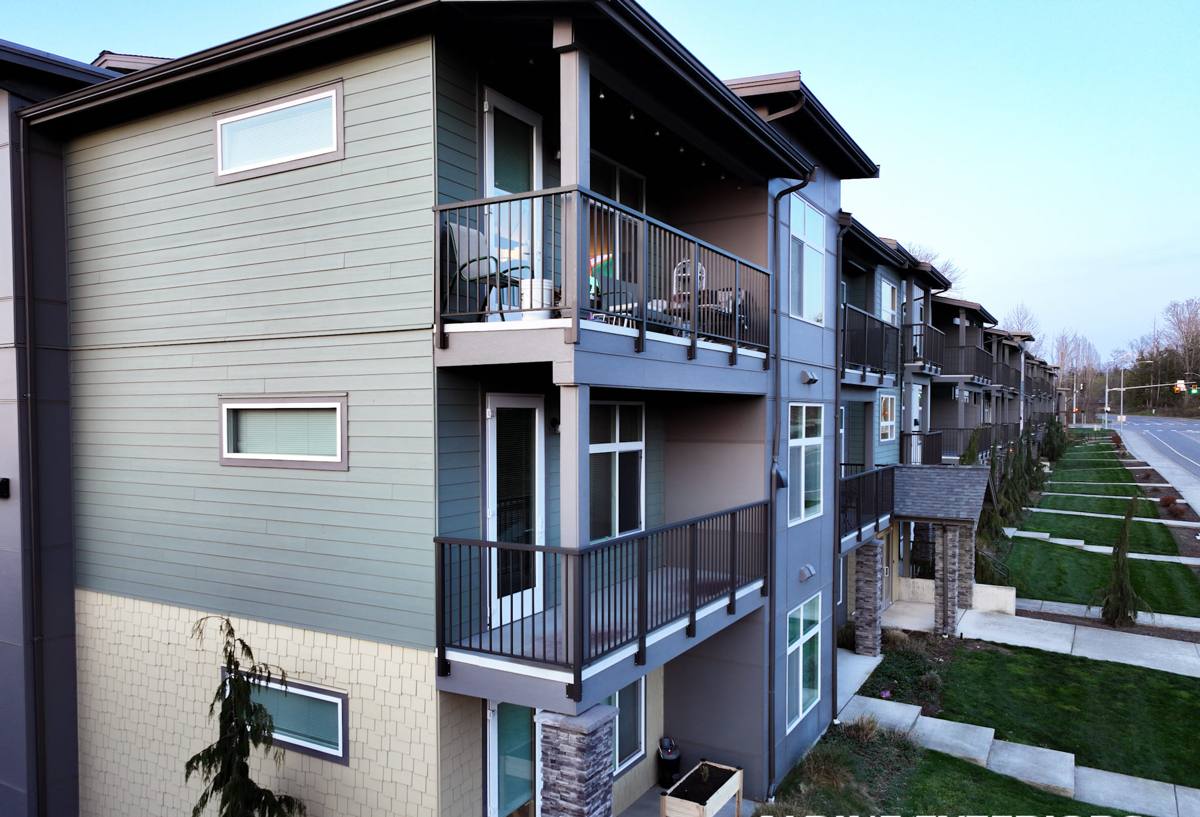
What Pinellas Point Homes Are Up Against
Wind and Wind-Driven Rain
Pinellas County sits squarely in a hurricane-exposed zone, and even non-hurricane storms here regularly push rain sideways into wall assemblies. Siding that isn't fastened, lapped, and flashed correctly gives that water a path behind the cladding, where it can sit against sheathing and framing for weeks before anyone notices a problem.
UV Exposure
Nearly year-round sun exposure is hard on paint film and on the base material itself. Coatings that aren't formulated and applied for sustained UV load chalk, fade unevenly, and eventually crack — usually starting on south- and west-facing walls first.
Salt Air
Being near two bays means airborne salt is a constant, low-level presence, even on days without a storm in sight. Salt accelerates corrosion of exposed fasteners and trim hardware and speeds up the breakdown of siding materials that aren't built to resist moisture absorption.
Humidity and Moisture Cycling
St. Petersburg's humidity means siding rarely gets a true dry-out period. Materials that swell when wet and shrink when dry are put through that cycle constantly here, which is where poor installation — gaps, missed flashing, wrong fastener spacing — turns into visible damage faster than it would in a milder climate.
What Correct Installation Actually Involves
Siding failures in this climate are rarely about the siding material alone — they're almost always traceable to installation shortcuts. A correct installation on a Pinellas Point home includes:
- A continuous, properly lapped weather-resistive barrier behind the siding, with no gaps at seams or penetrations
- Correct flashing at every window, door, and roofline transition, directing water outward and down rather than behind the wall
- Fastening pattern and fastener type matched to the manufacturer's specification for wind zone and exposure category
- Proper clearance between the bottom of the siding and grade, roof lines, decks, and patios to prevent standing water and wicking
- Correctly sized gaps at butt joints and trim, sealed with a sealant rated for exterior, high-UV use — not just caulked over gaps as an afterthought
- Factory-finished panels installed without field-cutting through the protective coating any more than necessary, and touch-up done with the manufacturer's matched product
None of this is exotic. It's the manufacturer's published installation instructions, followed completely, on every wall, every time. The problem in coastal markets is how often crews skip steps that don't show up as a visible defect for a year or two.
Why We Only Install James Hardie Fiber Cement
We made a decision as a company to install one siding system: James Hardie fiber cement. We don't install vinyl, LP SmartSide, or other engineered wood products, and we don't apologize for that being a narrower offering — it's a deliberate standard, not a limitation we're working around.
Fiber cement is non-combustible, holds its shape in high heat and humidity without the softening or warping that engineered wood products can experience over time, and James Hardie's ColorPlus factory finish is baked on and warrantied against fading in a way field-applied paint isn't. For a peninsula home dealing with sun, salt, and wind on a near-constant basis, those are the properties that matter most. Hardie's HZ5 product line is engineered specifically for high-humidity, storm-prone climates like ours, which is a meaningful difference from siding designed for a national market with Florida as an afterthought.
We're not saying every other product is unusable everywhere — we're saying that for what Pinellas Point homes go through, this is the system we're willing to put our name behind.
Our Process for a Pinellas Point Installation
- On-site assessment. We walk the exterior, check current siding and the substrate underneath where accessible, and look specifically for water intrusion around windows, corners, and roof transitions — common trouble spots on this peninsula.
- Scope and product selection. We recommend the Hardie plank profile, exposure, and color line suited to the home's style and sun exposure, and give a written estimate with no vague allowances.
- Permitting. Siding replacement in St. Petersburg typically requires a permit, and older Pinellas Point homes sometimes carry code requirements from a previous renovation that need to be reconciled before work starts. We handle this rather than leaving it to the homeowner.
- Tear-off and substrate check. Old siding comes off, and we inspect sheathing for rot or moisture damage before anything new goes up — closing that up is not an optional step for us, even when it adds time.
- Weather barrier and flashing. This is where most of the long-term performance is actually decided, and it's the step most likely to get rushed by crews trying to move fast.
- Installation and finish. Panels go up to manufacturer spec, trim and corners are detailed, and touch-up is done with matched ColorPlus product, not generic paint.
- Final walkthrough. We review the finished work with the homeowner before calling the job done.
Signs a Pinellas Point Home May Need New Siding
- Visible cracking, buckling, or warping, especially on south- and west-facing walls
- Soft spots or a spongy feel when pressed near the bottom edges or around windows
- Paint that's chalking heavily, peeling, or fading unevenly wall to wall
- Rising utility bills that suggest the wall assembly is no longer insulating or sealing the way it should
- Visible gaps, missing caulk, or rusted fasteners at seams and trim
- A musty smell or discoloration on interior walls that share an exterior wall with problem siding
Any one of these on its own isn't necessarily an emergency, but on a home this close to the water, they're worth having looked at before the next storm season rather than after.
What Drives the Cost of a Siding Installation Here
| Factor | Why It Matters in Pinellas Point |
|---|---|
| Home size and wall complexity | More corners, gables, and dormers mean more cutting, flashing, and labor time |
| Substrate condition | Rot or moisture damage found during tear-off has to be repaired before new siding goes on |
| Siding profile and exposure | Wider reveals and certain trim details take more material and installation time |
| Color and finish line | Factory ColorPlus finishes cost more upfront but avoid repainting cycles that field-painted siding requires in this sun |
| Height and access | Two-story sections and tight side yards common in older Pinellas Point lots add labor and equipment needs |
| Permitting and code items | Older homes occasionally need incidental code updates addressed alongside the siding work |
We give a firm, itemized number after the on-site assessment — not a phone estimate — because guessing at substrate condition or access from a photo does homeowners a disservice.
Why Local Experience in This Neighborhood Matters
A crew that already works Pinellas Point knows the practical realities that don't show up in a spec sheet: how tight some of the lot lines are for staging material, which older homes are more likely to have moisture issues behind existing siding, and how St. Petersburg's permitting process actually moves in practice. That familiarity translates into fewer surprises mid-job and a more accurate estimate up front. It also means we're positioned to come back quickly if a question comes up after the job is done — we're not driving in from across the county.
Ready to Talk About Your Home
If your Pinellas Point home's siding is showing its age, or you're planning ahead of the next storm season, we're happy to take a look and give you a straight answer about what it needs. Reach out for a free, no-pressure estimate using the form below.