 St. Petersburg Siding
 Siding Repair Built for a Pinellas Point Address
Pinellas Point sits near the open water at the southern edge of St. Petersburg, and that location shapes what happens to a home's exterior over time. Siding here doesn't fail the way it does inland. It fails faster, in more specific ways, and often in places a homeowner never thinks to check until a repair has already turned into something bigger. A siding repair contractor working this part of Pinellas County needs to understand that distinction before ever picking up a pry bar.
This page is about one thing: repairing siding on homes in Pinellas Point, done correctly, by a crew that already understands what this stretch of St. Petersburg does to exterior materials. Not a general "we fix siding everywhere" pitch — the specifics of doing it right here.
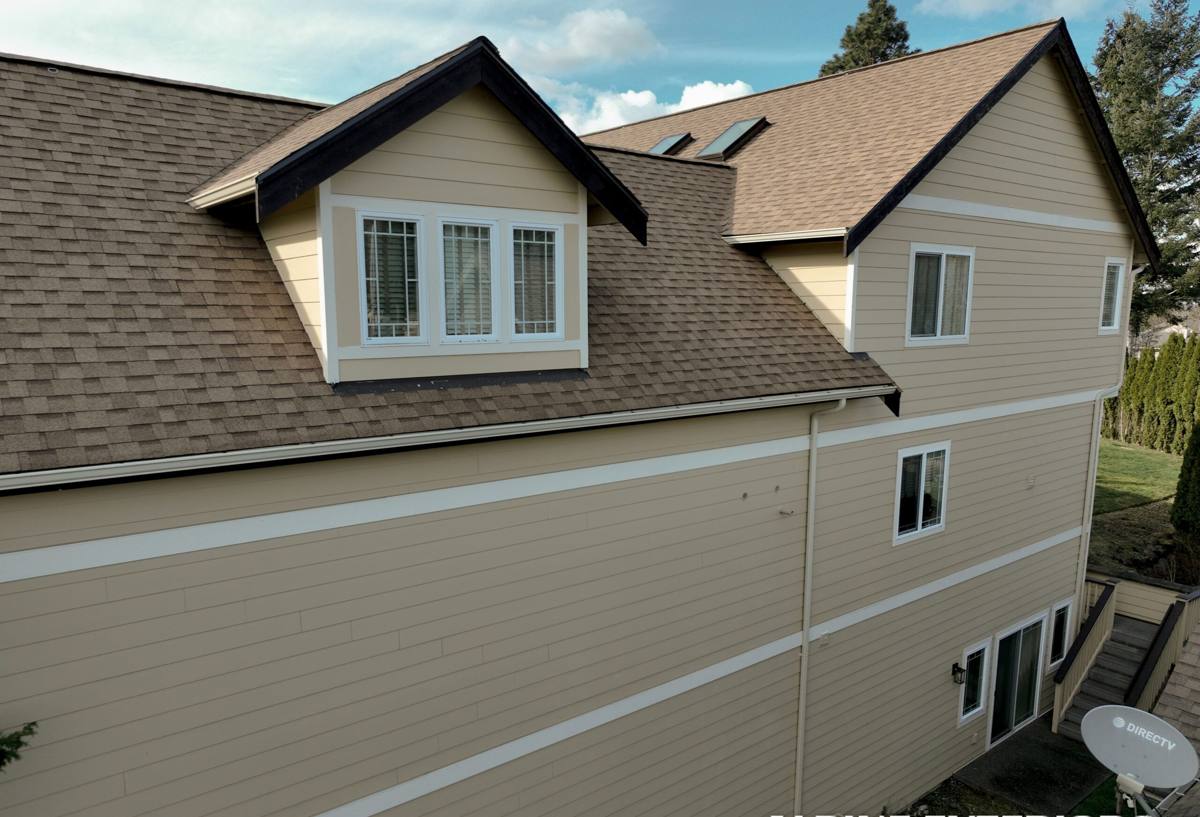
What the Local Climate Actually Does to Siding
Four forces drive almost every siding repair call we get from homes near the water in south St. Petersburg:
- Salt-laden air. Proximity to open water means airborne salt settles on exterior surfaces continuously, not just during storms. It accelerates corrosion of fasteners, trim, and any metal flashing, and it degrades paint and caulk faster than the same materials would wear a few miles inland.
- Intense, near-constant UV exposure. Florida sun is hard on siding twelve months a year. UV breaks down paint film, dries out caulk joints until they crack, and — on older or lower-grade materials — causes fading, chalking, and surface erosion well before the material itself is structurally worn out.
- Wind-driven rain. Rain that comes in sideways during Gulf storms finds every gap, every failed caulk joint, and every piece of poorly lapped siding. Water doesn't need a hurricane to get behind siding — it just needs one bad seam and a windy afternoon.
- Hurricane-force wind events. Even siding that survives a storm without visible damage can come out of it with loosened fasteners, stressed joints, or panels that no longer sit flush. Those small changes become entry points for moisture over the following months.
None of this is unique to Pinellas Point specifically, but homes this close to the water get a concentrated version of it. That's the honest starting point for any repair conversation.
The Siding Repair Issues We See Most Often in This Area
Moisture Intrusion at Seams and Penetrations
Most siding repairs in this part of St. Petersburg trace back to water getting behind the siding rather than damage to the siding face itself. Common entry points include failed caulk at window and door trim, gaps where siding meets flashing, and butt joints between panels that have opened up as materials expand, contract, and age. Once water gets behind siding, the damage is often at the sheathing or framing level long before it's visible from the outside.
Fastener and Trim Corrosion
Salt air is hard on any exposed metal. Nail heads, trim fasteners, and flashing that isn't corrosion-resistant can rust, stain the siding face, and eventually lose their grip. A repair that just patches the visible siding without addressing corroded fasteners underneath is a repair that fails again within a year or two.
Impact and Wind Damage
Cracked, dented, or blown-off sections are common after storm season, particularly on older siding materials or installations where panels weren't properly fastened to begin with. Impact damage from debris is also common in coastal-adjacent neighborhoods during high-wind events.
Material Fatigue on Older or Lower-Grade Siding
Homes with vinyl siding, older wood siding, or lower-grade fiber cement products often show wear that goes beyond what a spot repair can reasonably fix — warping, persistent fading, soft or delaminating panels, or repeated caulk failure in the same locations. Part of an honest repair visit is telling a homeowner when they're past the point where repair is the right answer.
What a Correct Siding Repair Actually Involves
A repair that just matches color and covers the damaged spot is not a repair — it's a cosmetic fix that hides a problem instead of solving it. Done right, a siding repair in this climate involves:
- Diagnosing the actual cause — not just the visible damage, but why that section failed. A cracked panel from an isolated impact is a different repair than a section failing because of a systemic flashing or drainage problem.
- Checking what's behind the siding. Damaged siding is sometimes a symptom of wet sheathing, deteriorated house wrap, or compromised framing underneath. Repairing the surface without checking underneath just delays the real problem.
- Correcting the water path, not just the patch. If water was getting in through a bad seam or missing flashing, that detail gets fixed as part of the repair — otherwise the same spot fails again.
- Matching material and fastening method appropriately. Mismatched siding profiles, incompatible fasteners, or inconsistent caulk products create new weak points even when the repair looks fine on day one.
- Sealing and finishing to the same standard as new installation. A repair is only as durable as its weakest joint. Corners get cut here more than anywhere else in the industry, and it's usually invisible until the next storm season.
Repair or Replace? How We Make That Call
Not every problem calls for full replacement, and not every problem should be patched. The honest answer depends on how much of the siding is affected, what's causing the damage, and how much useful life the existing material has left.
| Situation | Usually Points To | Why |
|---|---|---|
| Isolated impact damage, siding otherwise sound | Repair | Localized damage on a healthy system doesn't justify replacing the whole wall |
| Recurring water stains at the same seam | Repair, with root-cause fix | The problem is usually one flashing or caulk detail, not the siding itself |
| Widespread fading, chalking, or soft panels | Replace | Material fatigue across a wide area means more repairs are coming regardless |
| Rot or damage found behind multiple sections | Replace | If the underlying structure is compromised in several spots, patching siding over it doesn't solve anything |
| Siding is 20+ years old and failing in multiple places | Replace | At that point, repair costs start approaching replacement cost without buying long-term reliability |
We'll tell you honestly which category a home falls into. A contractor who only offers replacement, or one who only offers patch repairs regardless of what they find, isn't giving a homeowner the full picture.
Our Process for Pinellas Point Siding Repairs
The process is straightforward, and it starts with an honest look before any recommendation:
- On-site inspection. We walk the exterior, identify every affected area — not just the spot the homeowner called about — and check for moisture behind the siding where damage suggests it's warranted.
- Clear explanation of what we find. Before any work happens, we explain what's causing the damage, what repair options exist, and where replacement makes more sense than repair.
- A written estimate. No verbal ballpark that changes once work starts. The scope and cost are laid out before we begin.
- Repair work done to the same standard as new installation. Proper flashing, correct fastening, and finish work that matches the surrounding siding — not a visible patch job.
- A final walkthrough. We show the homeowner what was done and why, so there are no surprises.
Why We Only Install James Hardie Fiber Cement
When a repair reveals that a section — or an entire elevation — needs to be replaced rather than patched, we replace it with James Hardie fiber cement, and only James Hardie. We don't install vinyl, LP SmartSide, or other fiber cement brands, and in a climate like this, that's a deliberate standard, not a sales preference.
Vinyl siding softens, warps, and fades under sustained Florida UV and heat, and it offers little resistance to wind-driven debris. Engineered wood products depend on flawless moisture management to perform, which is a hard bar to clear consistently in a climate with this much humidity and wind-driven rain. Other fiber cement brands may look similar on paper, but James Hardie's HZ5 product line is specifically engineered for high-humidity, storm-exposed climates like the Gulf Coast, and its ColorPlus factory finish is baked on to resist the fading and chalking that UV causes on field-painted materials. It's also non-combustible, which matters on any home, and it carries a strong transferable warranty when installed to manufacturer specification.
For a repair, that means replacement sections that are matched properly and installed correctly will hold up the same way the rest of a Hardie-sided home does. For a full replacement, it means we're putting the most climate-appropriate material available on a home that's going to keep facing salt air, sun, and storms every year it stands there.
Why a Local Crew Matters for This Neighborhood
Siding repair isn't just a materials question — it's a knowledge question. A crew that regularly works homes near the water in St. Petersburg knows which failure patterns show up here, what local permitting and wind-load requirements apply, and what "correct installation" needs to look like to actually hold up through hurricane season rather than just look finished on installation day. That's different from a contractor working from a generic playbook that doesn't account for salt air, storm exposure, or Pinellas County's building requirements.
It also means faster, more accurate diagnosis. A crew that's seen dozens of similar homes in this area can often identify the real cause of a siding problem in one visit, rather than guessing and coming back twice.
Signs You Should Have Siding Checked
- Visible cracks, gaps, or missing sections after a storm
- Soft or spongy areas when siding is pressed gently
- Peeling paint or persistent staining at seams and corners
- Warping, bowing, or panels that no longer sit flush
- Musty smells or interior wall staining near exterior walls
- Caulk that's cracked, shrunk, or pulled away from joints
Catching any of these early is almost always cheaper and simpler than waiting until the damage spreads behind the siding.
Get an Honest Look at Your Siding
If you're in Pinellas Point and dealing with damaged, aging, or storm-affected siding, we're happy to take a look and give you a straight answer — repair or replace, and why. The estimate is free, there's no pressure, and you'll walk away knowing exactly what's going on with your home's exterior. Fill out the form below to get started.