 St. Petersburg Siding
 Roof Repair for Disston Heights Homes
Disston Heights is one of St. Petersburg's older, established residential neighborhoods, which means a lot of the roofs here have been through several Florida summers, more than a few named storms, and years of steady sun. Roof repair in this part of Pinellas County isn't a one-size-fits-all job. The right fix depends on the roof's age, the type of covering, how the last repair (if any) was done, and how well the roof has been maintained since it went on. Our job is to figure out what's actually happening under the shingles or tiles, not just patch the spot you can see from the driveway.
We work on homes throughout St. Petersburg and Pinellas County, and Disston Heights is a neighborhood we're in regularly. That matters more than it might sound, because roofing problems here tend to follow patterns tied to the area's housing stock and its exposure to the same weather every other roof in the neighborhood deals with.
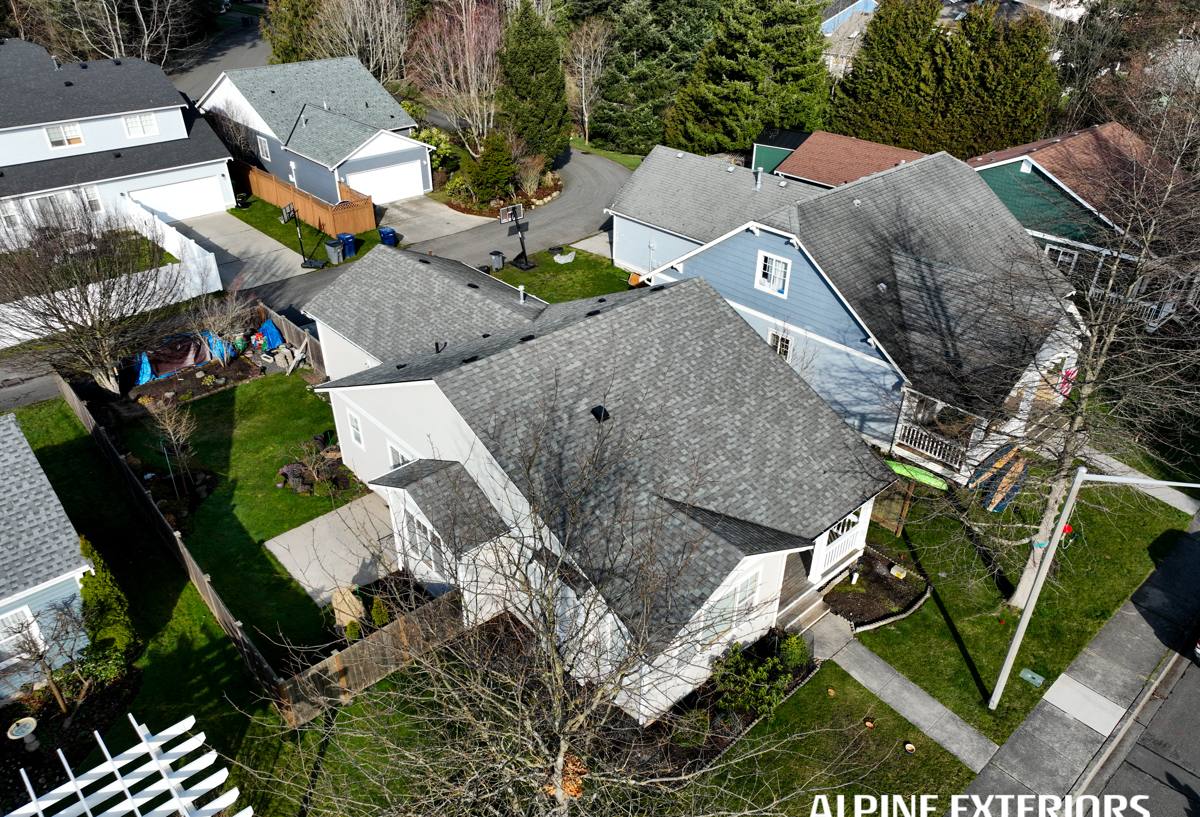
What Pinellas County Weather Does to a Roof
St. Petersburg sits in a part of Florida that asks a lot of a roof year-round. It's not just hurricane season that causes damage — it's the cumulative effect of several stressors working on the same roof at the same time:
- Hurricane-force and tropical-storm winds can lift shingle tabs, crack tiles, and pull flashing loose even when the roof looks intact from the ground afterward.
- Intense, near-constant UV exposure breaks down asphalt shingles and dries out sealant strips faster than in most of the country, shortening the useful life of roofing materials.
- Wind-driven rain gets pushed sideways and upward under normal wind conditions, finding gaps at flashing, vents, and ridge lines that a straight-down rain would never reach.
- Salt air, even at Disston Heights' distance from the immediate coastline, accelerates corrosion on exposed fasteners, metal flashing, and vent boots over time.
Individually, none of these is unusual for a Florida roof. Together, over years, they're why a roof that looks fine from the street can have real weaknesses at the details — the flashing, the penetrations, the edges — long before the field of the roof shows obvious wear.
Why This Matters More on Older Roofing Stock
Many homes in this part of St. Petersburg were built decades ago, and even where roofs have been replaced since, the underlying structure, decking, and sometimes the flashing details are original. Older systems weren't always installed to the same wind and water standards used today, and repairs made over the years don't always match current best practice. When we're called for a repair, part of the job is recognizing when a leak is really a symptom of an outdated detail rather than just a worn spot.
Common Roof Repair Issues We See in This Area
Wind-Lifted or Cracked Shingles
Sustained wind and gusts can break the seal strip on asphalt shingles or crack tabs outright. Once a shingle's seal is broken, it doesn't always blow off — it can sit loose, flapping slightly in every wind event after, letting water underneath a little more each time.
Flashing Failures
Flashing around chimneys, skylights, sidewalls, and roof-to-wall transitions is one of the most common leak sources we find, and it's rarely because the flashing was installed poorly on day one. More often, sealant has dried and cracked from UV exposure, or the metal has corroded from years of salt-laden air, and the flashing itself has quietly stopped doing its job.
Damaged or Deteriorated Underlayment
Underlayment is the water barrier beneath the visible roofing material. If shingles or tiles have been compromised for any length of time, wind-driven rain can reach the underlayment and start breaking it down, which is often the difference between a straightforward repair and one that requires opening up a larger section of roof.
Vent Boot and Penetration Leaks
Every pipe, vent, and roof penetration has a boot or seal around it. Rubber boots dry out and crack under Florida sun faster than most homeowners expect, and a cracked boot is one of the most common single sources of a slow, hard-to-trace leak.
Fastener and Attachment Wear
Salt air corrodes exposed nail heads and metal fasteners over time. Corroded fasteners can back out slightly or lose holding strength, which becomes a real vulnerability the next time high winds come through.
What a Correct Repair Actually Involves
A roof repair done right isn't just sealing the spot where water is coming through. It requires finding where the water is actually entering — which is very often not directly above the stain you see on the ceiling — and addressing the root cause so the same issue doesn't reappear after the next storm.
Our Repair Process
- Roof inspection. We walk the roof (or use appropriate access methods depending on pitch and condition) to check the field, flashing, penetrations, and edges — not just the area you flagged.
- Interior and attic check. Where accessible, we look at the attic and interior ceiling for water staining, damp decking, or signs the leak has traveled from its entry point before showing up inside.
- Diagnosis and honest explanation. We tell you what we found, what's causing it, and what your realistic options are — repair now, plan for a larger repair, or in some cases start discussing replacement timing.
- Repair scope and estimate. You get a clear explanation of what work is needed and why, in plain language, before anything is repaired.
- The repair itself. Matching materials as closely as possible, replacing compromised underlayment or decking where needed, and properly resealing or replacing flashing and penetrations — not just caulking over a symptom.
- Final check. We confirm the repair is sound and, where relevant, note anything else on the roof worth watching so it doesn't turn into a surprise later.
Repair vs. Replacement: How We Help You Decide
Not every roof problem in Disston Heights needs a full replacement, and not every leak can be permanently solved with a patch. Part of our job is being straight with you about which situation you're actually in.
| Factor | Leans Toward Repair | Leans Toward Replacement |
|---|---|---|
| Roof age | Well within expected service life | Near or past typical lifespan for the material |
| Extent of damage | Isolated to one area or detail | Multiple areas failing or widespread wear |
| Underlayment/decking condition | Sound, dry, intact | Saturated, soft, or deteriorated in multiple spots |
| Repair history | First or infrequent repair | Repeated repairs to the same or nearby areas |
| Storm exposure since install | Minimal impact events | Direct hits or repeated significant wind events |
We'll always recommend the option that actually solves your problem, not the more expensive one. If a repair is the honest answer, that's what we'll propose.
Materials and Matching
Getting a repair to blend in and perform correctly depends on matching the existing roofing material as closely as possible — asphalt shingle profile and color, tile style and profile, or metal panel type. When an exact match isn't available because the original product has been discontinued or weathered to a different shade than new material, we'll walk you through the realistic options rather than let it be a surprise once the work is done. For flashing and penetration repairs, we use materials suited to salt-air exposure so the fix holds up rather than corroding again in a few seasons.
Why Local Experience in This Neighborhood Matters
A crew that regularly works in Disston Heights and the surrounding St. Petersburg neighborhoods has a practical advantage: familiarity with the age and construction patterns common to homes here, and a working sense of how local roofs tend to fail after wind events versus after years of steady sun exposure. That's not a substitute for a thorough inspection of your specific roof, but it does mean less guesswork and fewer surprises once we're up there.
It also means we're not disappearing after the repair. Roofing problems in coastal Florida neighborhoods often show up again in a different spot a year or two later if the rest of the roof is aging out — being a contractor who's actually local and reachable matters when that happens.
What Homeowners Should Watch For Between Inspections
You don't need to get on your own roof to catch early warning signs. Here's a practical checklist for what to watch from the ground and inside the house:
- Ceiling stains or discoloration, even small ones that seem to appear after a heavy rain
- Missing, curling, or visibly cracked shingles seen from the ground or a neighbor's upstairs window
- Granules collecting in gutters or downspouts, a sign of asphalt shingle wear
- Visible daylight or gaps around chimney, vent, or skylight flashing
- Musty odors in the attic or upper floors that weren't there before
- Sagging or uneven spots along the roofline
- Any repair work you know was done previously that's now more than a few years old
Catching any of these early is usually the difference between a modest repair and a much larger one.
Timing and Storm Season Considerations
In St. Petersburg, roof repair requests naturally spike right after storm events, which can mean longer wait times for anyone who waits until damage is obvious to call. If you've noticed a minor issue — a lifted shingle corner, a small stain, a flashing gap — addressing it during calmer weather is almost always faster and less disruptive than waiting until it's an active leak during the next tropical system. Pre-storm-season inspections are also worth considering for older roofs, simply to catch weak points before wind gets a chance to find them first.
Get an Honest Look at Your Roof
If you're dealing with a leak, storm damage, or just want a second opinion on a roof that's showing its age in Disston Heights, we're happy to take a look. We'll give you a straightforward assessment of what's going on, what it will take to fix it, and what to expect going forward — no pressure, no upsell. Reach out for a free estimate using the form below.