 St. Petersburg Siding
 A Classic Look That Already Belongs in Roser Park
Roser Park is one of St. Petersburg's older platted neighborhoods, known for early-1900s bungalow and cottage-style homes, brick streets, and mature tree canopy along Booker Creek. Board and batten — wide vertical boards with narrower strips covering the seams — is original to that era of construction, showing up on porches, gables, and accessory structures throughout the neighborhood long before it became a popular "modern farmhouse" trend elsewhere. For homeowners here, installing board and batten often means restoring or extending a look that was already part of the house, not chasing a trend.
That history matters practically, too. Because parts of Roser Park carry local historic district status, exterior changes can draw more attention from the city than they would in a newer subdivision. A siding profile that reads as historically appropriate tends to move through that process more smoothly than something that looks obviously modern or out of place next to the house next door.
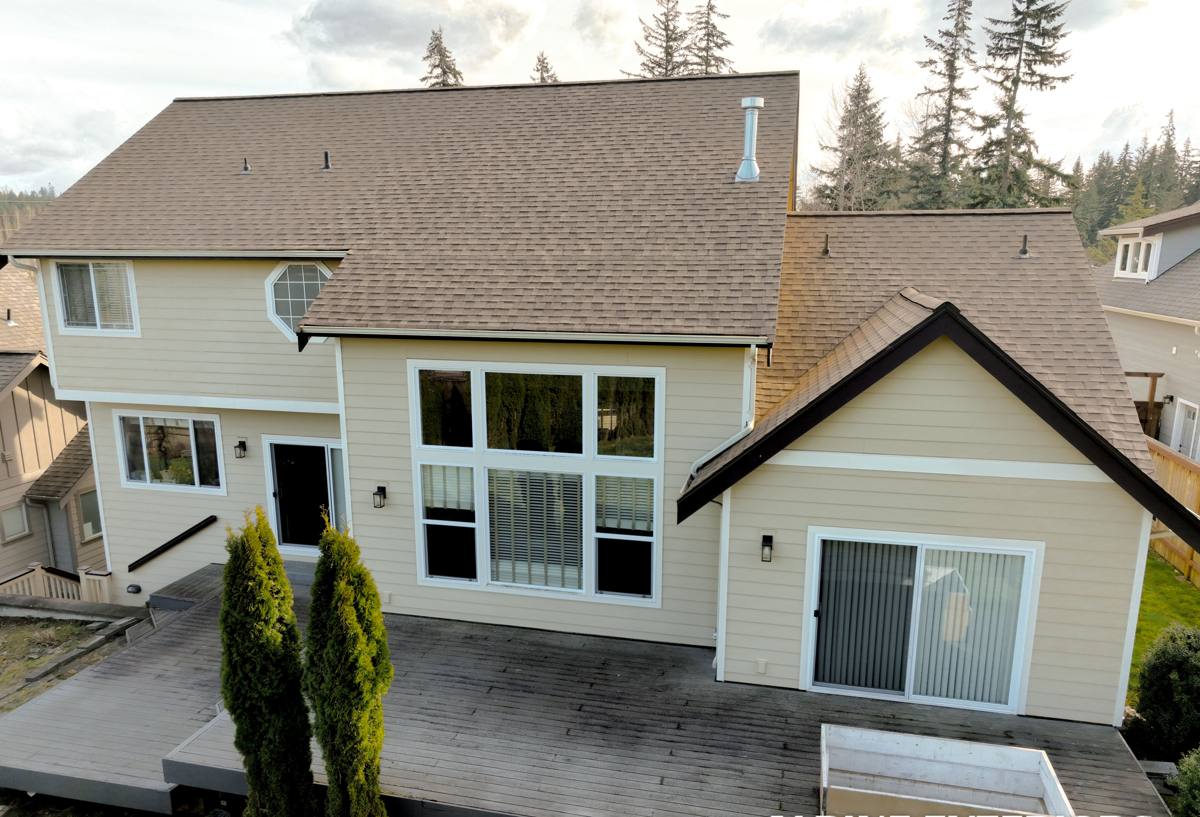
What St. Petersburg's Climate Does to Vertical Siding
Board and batten has more seams and more exposed fastener lines than lap siding, which means the way it's installed matters even more in this climate. St. Petersburg sits on a peninsula between Tampa Bay and the Gulf, and that location brings a specific combination of stresses:
- Hurricane-force wind loads that put uplift and lateral pressure directly on vertical panels and their fasteners
- Intense, near year-round UV exposure that fades paint and dries out wood fiber faster than in northern climates
- Wind-driven rain that gets forced sideways and upward under panels, not just straight down
- Salt air drifting in off the bay and Gulf that accelerates corrosion on fasteners, trim, and hardware
None of that means board and batten is a bad choice for a St. Petersburg home — it means the material and the install both have to be built for it. Vertical siding that holds up fine in a mild inland climate, installed the same way in Pinellas County, is set up to fail years sooner.
Why We Only Install James Hardie for This Application
We don't install vinyl board and batten, LP SmartSide, primed spruce, cedar, or other fiber cement brands. On a house exposed to Gulf humidity, UV, and wind the way homes in Roser Park are, each of those products carries a trade-off we're not willing to build into a customer's siding: vinyl panels can warp or come loose under sustained heat and wind pressure, engineered wood products need consistent paint and caulk maintenance to keep moisture out of the wood fiber, and cedar or primed spruce require ongoing refinishing to hold up under Florida sun.
James Hardie fiber cement is non-combustible and dimensionally stable in heat and humidity, and it's available in Hardie's HZ10 formulation, engineered specifically for hot, humid, high-UV climates like ours rather than a one-size-fits-all product. Combined with Hardie's ColorPlus factory-baked finish, which resists fading and chalking better than field-applied paint, it's the product we've seen hold up on Pinellas County homes over the long term, backed by a transferable warranty that protects a home even after ownership changes hands. For board and batten specifically, Hardie's vertical panel and trim systems let us match the traditional profile without the maintenance liabilities that come with the materials that originated that look.
What a Correct Board & Batten Install Actually Involves
Behind the panels
The battens and reveal are what you see; the drainage plane behind them is what determines whether the siding lasts. Vertical siding needs a way for any moisture that gets past the surface to drain and dry out rather than sitting against the wall sheathing. That typically means a weather-resistive barrier, and in many cases furring strips or a rainscreen gap, especially over masonry or when reworking an older wall assembly. Skipping this step is the single most common shortcut that leads to trapped moisture and rot years down the road — and it's invisible once the siding is up, which is exactly why it matters who's doing the work.
Fastening for wind
Panels and battens need to be fastened at the spacing and pattern that match Florida Building Code wind pressure requirements for this part of Pinellas County, not a generic national schedule. Fastener type matters too: corrosion-resistant fasteners driven correctly, not overdriven and not underdriven, hold up to both wind load and salt air. The wrong fastener or a sloppy nailing pattern causes a slow failure that shows up as loose battens or popped panels well before the siding itself would otherwise wear out.
Flashing, seams, and trim
Every horizontal seam, window, door, and roofline intersection is a place where wind-driven rain looks for a way in. Correct flashing detail at those transitions, proper caulking at panel and batten joints, and sealed factory-cut edges are what keep those seams weathertight through actual hurricane-season rain, not just a garden hose test.
Full Reside vs. Board & Batten Accents: What Fits Your House
Not every Roser Park home needs a full board and batten reside. Some homeowners use it to accent gables, dormers, or a porch feature while keeping horizontal lap siding on the main walls; others are replacing failing original board and batten across the whole house. Both are legitimate approaches — the right one depends on the home's existing siding condition, its architectural style, and budget.
| Approach | Best For | What Drives Cost | Long-Term Upkeep |
|---|---|---|---|
| Full board & batten reside | Homes with failing, outdated, or non-original siding across most of the exterior | Total square footage, tear-off of old material, substrate repair | Lowest — one system, one warranty, one maintenance schedule |
| Board & batten accents | Homes with sound siding elsewhere; gables, dormers, or porch features that call for the look | Amount of trim carpentry and transition detailing, not overall square footage | Slightly more — two siding profiles to maintain, though both can be Hardie |
| Repair or partial replacement | Homes with original or older board and batten failing in specific sections | Matching reveal and batten spacing to the existing material, patch quality | Depends heavily on how well the patch matches the surrounding siding |
Our Process on a Roser Park Project
- On-site walkthrough to assess the existing siding, wall substrate, and any moisture or rot already present, and to talk through where board and batten fits the house.
- A written estimate that spells out full reside vs. accent application, tear-off scope, and the trim and flashing detail included, so there are no surprise add-ons once work starts.
- Permitting through the City of St. Petersburg, including any additional review needed for homes inside the local historic district.
- Removal of failing siding and inspection of the sheathing underneath, with any repairs addressed before new material goes up.
- Installation of the weather-resistive barrier, furring or rainscreen where called for, then Hardie panels, battens, and trim, fastened to Pinellas County wind requirements.
- Caulking, touch-up of factory-finished edges, final flashing details, and a walkthrough before we consider the job done.
Why Working Locally in Roser Park Matters
A crew that's worked in Roser Park before already knows what to expect before the ladders go up: older homes here were often built with construction methods and materials that don't match modern assumptions, narrow lots and brick streets affect how material gets staged and delivered, and, where applicable, a historic district review process has its own timeline and expectations. None of that is exotic, but getting it wrong costs a homeowner time — a permit that gets kicked back, a substrate surprise that stalls a crew mid-project, or a material delivery that can't get close enough to the house.
Local experience also means we're not guessing at wind, moisture, or UV performance in the abstract. We're installing the same product line, the same fastening schedule, and the same flashing detail we've used on other homes exposed to the same Tampa Bay conditions.
Signs Your Current Siding Needs a Closer Look
- Soft or spongy spots when you press on the siding near the bottom edge or around windows
- Peeling paint or visibly faded, chalky color that keeps returning within a year or two of repainting
- Gaps opening up between battens and boards, or boards that have started to cup or bow
- Visible rust streaking from fasteners
- Soft trim or corner boards, especially near downspouts or low-slope roof valleys
- Musty smell, staining, or soft drywall on interior walls, which can point to moisture getting in from outside
After Installation: Keeping It Looking Right
Board and batten in James Hardie fiber cement doesn't need repainting on the schedule that wood does, but it isn't zero-maintenance. A yearly walk-around to check caulking at seams and trim, rinse off salt air buildup, and catch any fastener or flashing issue early keeps small problems from becoming siding-deep ones. Because the ColorPlus finish is factory-applied, touch-up work uses matched touch-up paint rather than a full repaint, which keeps the color consistent instead of creating a patchwork look over time.
If your Roser Park home could use board and batten siding, whether that's a full reside, an accent on a gable or porch, or repair to existing siding that's starting to fail, we'll walk the property, look at what's actually driving the wear, and put together a straightforward, no-pressure estimate.