 St. Petersburg Siding
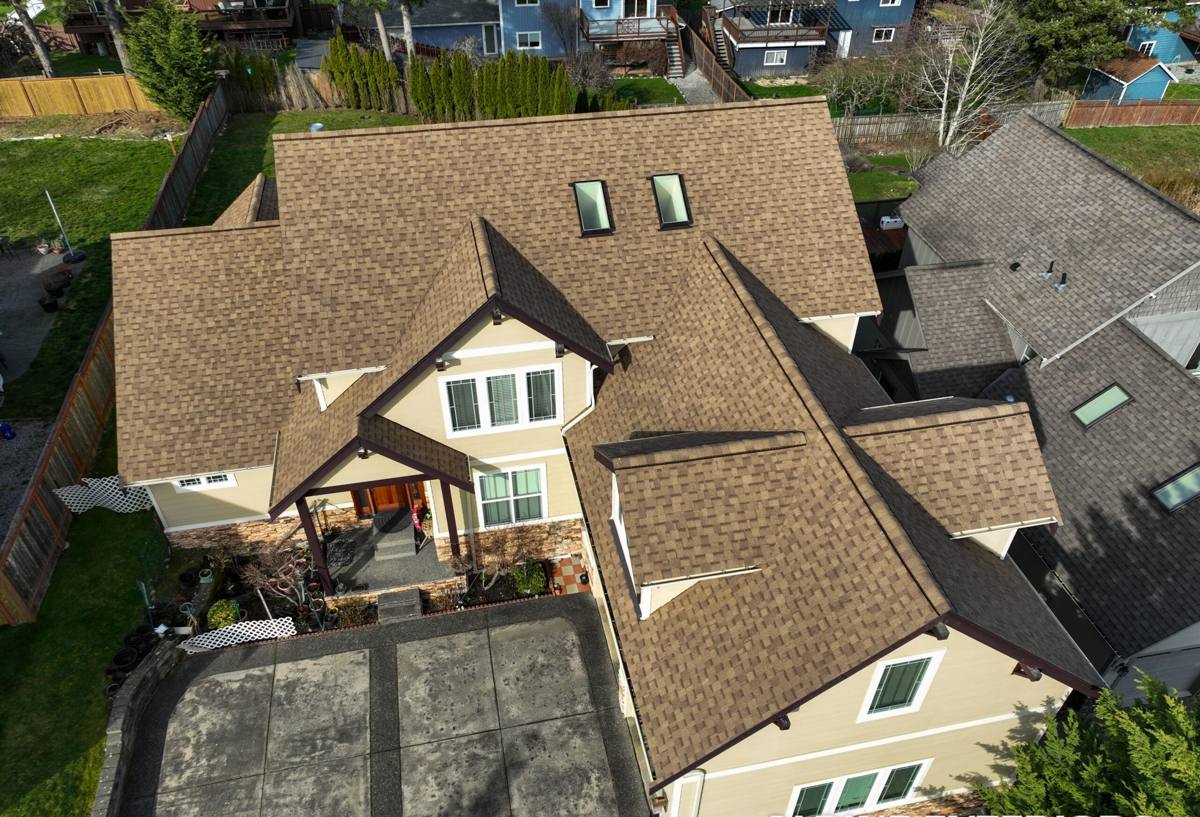
 New Roof Installation in Roser Park, St. Petersburg
Roser Park sits close to downtown St. Petersburg, with a mix of older bungalow-style homes and newer infill construction shaded by mature oak canopy. That combination — established tree cover, older roof decking on many homes, and a location just a few miles from Tampa Bay — creates a specific set of demands on a roof that a generic "install a new roof" checklist doesn't fully address. When a roof in this neighborhood is due for replacement, whether from age, storm damage, or a failed inspection, getting the installation right the first time matters more here than in a lot of other parts of Pinellas County.
This page covers what a correct new roof installation looks like specifically for Roser Park homes, given the climate St. Petersburg deals with and the kind of housing stock in this part of the city.
Why Roser Park Roofs Take a Beating
St. Petersburg and the rest of Pinellas County sit in a hurricane-exposed coastal zone, and that shapes everything about how a roof should be built here. A handful of climate factors stack up against any roof in this area, and Roser Park is no exception:
- Hurricane-force wind exposure: Even homes several miles inland from the bay experience straight-line and tropical-system winds strong enough to lift poorly fastened shingles or underlayment.
- Intense, year-round UV: Florida sun breaks down roofing materials faster than in most of the country. Asphalt shingles lose oils and granules, and unprotected underlayment degrades quicker under constant sun exposure.
- Wind-driven rain: It's not just how much rain falls — it's the angle it comes in at during storms. Wind-driven rain finds gaps in flashing, vents, and edge details that a calm-weather rain never would.
- Salt air: Proximity to Tampa Bay means airborne salt accelerates corrosion on exposed metal fasteners, flashing, and vents if they aren't rated for coastal exposure.
- Tree canopy: Roser Park's mature trees add shade (good for cooling bills) but also mean more debris load, more moisture retention on the roof surface, and branch-strike risk during storms.
None of these factors are unique to this one neighborhood, but the combination of older housing stock, canopy cover, and the general St. Petersburg storm exposure is what shapes our approach here specifically.
What a Correct New Roof Installation Actually Involves
A roof replacement is more than swapping old shingles for new ones. The parts that don't show once the job is done are usually the parts that determine whether the roof survives the next major storm season.
Tear-Off and Deck Inspection
We remove the old roofing material down to the deck rather than layering over it. This is the point where hidden problems — soft or rotted decking, old water staining, undersized or corroded fasteners — actually get found. On older Roser Park homes, deck condition is often the biggest wildcard in the whole project, and it's not something you can evaluate accurately from the ground or from photos.
Underlayment
Given the UV load and wind-driven rain typical of this area, the underlayment layer is doing more work here than it would in a drier, less storm-prone climate. We use underlayment systems suited for high-wind, high-UV regions, with attention to how it's fastened and lapped — not just what brand it is.
Flashing and Penetrations
Chimneys, vents, skylights, and wall-to-roof transitions are consistently where leaks start. Correct step flashing, counter-flashing, and sealed penetrations matter more over the life of the roof than the shingle brand does.
Fastening Method
Nailing pattern and fastener type directly affect wind uplift resistance. In a hurricane-exposed county like Pinellas, following manufacturer high-wind fastening specs (not just the minimum code pattern) is the difference between a roof that holds and one that doesn't during a real event.
Ventilation
Proper attic ventilation reduces heat buildup and moisture accumulation — both of which shorten a roof's lifespan under Florida's sun. This gets overlooked more often than it should.
Material Options for St. Petersburg Homes
There's no single "best" roofing material for every home — it depends on the roof's slope, the home's structure, budget, and how long you plan to own the property. Here's how the common options stack up for a coastal Pinellas County climate:
| Material | Wind/Storm Performance | UV & Heat Durability | Maintenance | Typical Lifespan |
|---|---|---|---|---|
| Architectural asphalt shingles | Good, when properly fastened and rated for high wind | Moderate — granule loss over time from constant sun | Low | 20–30 years |
| Metal roofing (standing seam) | Excellent wind uplift resistance | Excellent — reflects heat, doesn't degrade under UV | Very low | 40–50+ years |
| Tile (concrete/clay) | Good if fastened correctly, heavy structural load | Excellent | Moderate — cracked tiles need replacement | 40–50+ years |
| Flat/low-slope membrane (for additions, porches) | Depends on installation quality | Good with proper coating | Moderate — needs periodic inspection | 15–25 years |
We'll walk through which option makes sense for your specific roof structure and budget rather than pushing one material across every job — the right call depends on your roof's pitch, your attic setup, and how long you're planning to stay in the home.
Our Installation Process
- On-site inspection and estimate: We assess the current roof, deck condition (as best we can before tear-off), attic ventilation, and any storm or age-related damage, and give you an honest, written estimate.
- Material selection: We go over the trade-offs between shingle, metal, and tile options for your specific home and budget.
- Permitting: Roof replacements in St. Petersburg require a permit through the city or Pinellas County, depending on jurisdiction. We handle this so you don't have to navigate it yourself.
- Tear-off and deck repair: Old material comes off, the deck gets inspected, and any compromised sheathing is replaced before anything new goes down.
- Underlayment, flashing, and fastening: Installed to high-wind specification, not just baseline code minimum.
- Final material installation: Shingles, metal panels, or tile installed per manufacturer specs.
- Final inspection and walkthrough: We confirm the work passes city/county inspection and walk you through what was done.
Why a Crew That Already Works Roser Park Matters
Roofing work in this neighborhood benefits from familiarity with a few local realities: the age range of homes here, how St. Petersburg's permitting process runs, and what wind and UV exposure actually do to a roof over a Gulf Coast summer versus a winter storm season. A crew that's worked this area understands the difference between a roof deck issue that's cosmetic and one that's structural, and doesn't need to relearn the local permitting process on your job. That familiarity translates into fewer surprises mid-project and a more accurate estimate up front.
Signs Your Roof Needs Replacement, Not Repair
- Shingles that are curling, cracking, or missing granules across large sections of the roof
- Visible sagging anywhere on the roofline
- Daylight visible through the attic decking
- Repeated leaks in different spots after previous repairs
- A roof that's 20+ years old and hasn't been replaced since original construction
- Storm damage covering a significant portion of the roof surface, rather than an isolated spot
If only one or two of these apply and the roof is otherwise sound, a repair may be the more honest recommendation — we'll tell you that instead of pushing a full replacement you don't need.
Cost Factors to Understand Before You Get Quotes
Roof replacement costs vary widely based on a handful of concrete factors, and understanding them helps you compare quotes accurately rather than just looking at a bottom-line number:
| Factor | Why It Affects Cost |
|---|---|
| Roof size and pitch | Steeper roofs take longer and require more safety measures to install correctly |
| Deck condition | Rotted or soft decking found during tear-off needs replacement before new material goes down |
| Material choice | Metal and tile cost more upfront than asphalt shingles but last significantly longer |
| Number of penetrations | More vents, skylights, and chimneys mean more flashing work |
| Permitting and code requirements | Current Florida Building Code wind-resistance standards may require upgrades beyond a simple like-for-like swap |
| Tear-off layers | Removing multiple existing layers of roofing takes more labor than a single-layer tear-off |
Any estimate that skips discussing these factors and just hands you a flat number without an inspection isn't giving you the full picture.
Let's Look at Your Roof
If your Roser Park home needs a new roof — whether it's storm damage, age, or a failed inspection driving the decision — we're glad to come take a look and give you a straightforward, no-pressure estimate. Fill out the form below and we'll get in touch to schedule a time.