 St. Petersburg Siding
 Roofing in Seminole Has to Answer to the Weather, Not Just the Homeowner
Seminole sits close enough to the water that every roof in the area is doing double duty. It has to look right and keep a family dry, but it also has to survive conditions that a shingle roof three states north never sees: sustained tropical humidity, intense year-round UV exposure, sideways rain during summer storms, and a steady dose of salt-laden air blowing in off the Gulf side of Pinellas County. An asphalt shingle roof that's installed correctly for this climate can handle all of that for two decades or more. One that's installed with shortcuts — the wrong nailing pattern, generic underlayment, flashing that was reused instead of replaced — tends to show it within the first few years, usually right when a big storm rolls through and finds the weak point.
This page is about one job, done right, in one area: asphalt shingle roofing for homes in and around Seminole. Not a general overview of roofing everywhere — what actually matters for a shingle roof on this part of the St. Petersburg peninsula.
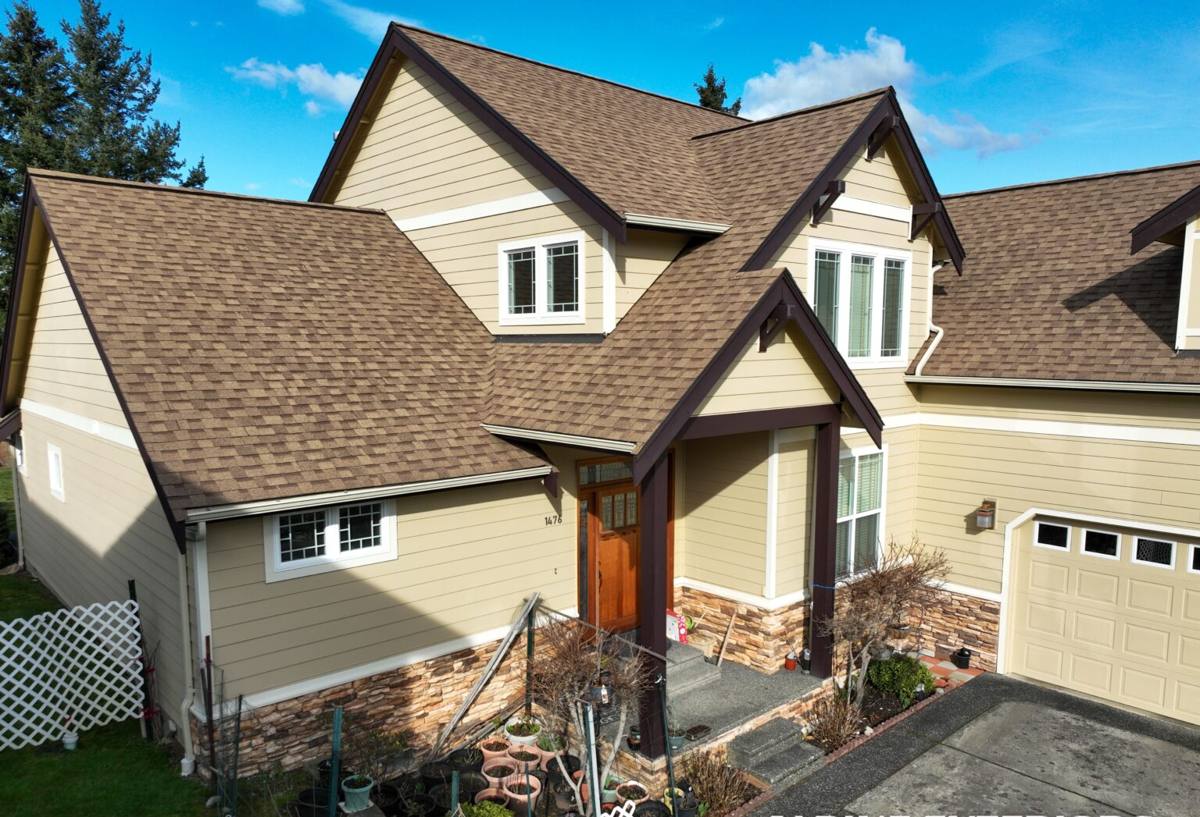
What This Climate Actually Does to a Shingle Roof
Wind
Pinellas County sits in a high-velocity hurricane zone, and Seminole is no exception. Wind doesn't just tear shingles off in a named storm — steady onshore gusts work at the shingle tabs and the edge metal year-round, gradually loosening anything that wasn't sealed and fastened correctly the first time. The edges and ridges of a roof take the brunt of it, which is exactly where a lot of cut-rate installs skimp.
UV Exposure
Florida sun is relentless nearly twelve months a year. UV breaks down the asphalt in shingles over time, drying out the mat and causing granule loss — the loose, sandy grit you sometimes find in gutters. Once granules wear thin in a spot, that section loses its UV shield and ages faster than the rest of the roof, which is how a roof can look fine from the ground while already failing underneath.
Wind-Driven Rain
Summer storms here don't fall straight down — they come in sideways. That means water gets pushed up and under shingle edges, into fastener holes, and around any penetration (vent pipes, chimneys, skylights) that isn't properly flashed. A roof that would stay dry in a calm rain can still leak in a wind-driven storm if the underlayment and flashing details weren't built for that specific stress.
Salt Air
Being close to the coast means airborne salt settles on every exterior surface, roofs included. It accelerates corrosion on exposed metal — nail heads, flashing, vent stacks, gutter hardware — faster than it would happen further inland. Roofing metal and fasteners that aren't rated for coastal exposure corrode sooner, and corroded fasteners are one of the more common, least visible causes of shingle blow-off.
What a Correct Asphalt Shingle Installation Involves
A roof that's actually built for Seminole's conditions isn't just shingles nailed to plywood. Every layer underneath matters as much as what's visible from the street.
- Tear-off, not overlay. Installing new shingles over old ones traps moisture, hides deck damage, and voids most manufacturer warranties. A full tear-off lets the deck actually be inspected.
- Deck inspection and repair. Any soft, rotted, or delaminated plywood gets replaced before anything new goes down — covering it up just delays a bigger repair.
- Self-adhering underlayment at eaves and valleys. This is the water barrier that matters most in wind-driven rain, and it's the layer most likely to get skipped or downgraded on a rushed job.
- Correct nailing pattern and nail count. Florida Building Code requirements exist specifically because under-nailed shingles are one of the top causes of wind failure in this state.
- New flashing at every penetration and wall intersection. Reusing old flashing to save time is one of the most common shortcuts — and one of the most common leak sources a few years later.
- Ridge ventilation that actually works with the attic system. Poor ventilation traps heat and moisture, which shortens shingle life from underneath, independent of what the weather does on top.
Choosing a Shingle for a Seminole Roof
Not every shingle sold at a supply house is a good match for this climate. The table below covers the trade-offs we walk homeowners through.
| Shingle Type | Typical Wind Rating | Best For | Trade-Off |
|---|---|---|---|
| 3-Tab | Lower (60-70 mph) | Budget re-roofs on lower-exposure structures | Shortest lifespan in this climate; least wind resistance |
| Architectural / Laminate | Mid-to-high (110-130 mph) | Most Seminole homes | Best balance of cost, durability, and appearance |
| Impact-Rated / High-Wind | High (130-150+ mph) | Higher-exposure or insurance-incentivized properties | Higher upfront cost, often offset by insurance credits |
For most Seminole homes, a laminate/architectural shingle rated for high wind speeds is the practical middle ground — enough durability for the local exposure without paying for a rating the structure doesn't need. We'll talk through what actually fits your roof's exposure and your budget rather than defaulting to the most expensive option.
Why We're Selective About What Goes On a Roof Here
We stick to manufacturer-approved systems — matching underlayment, flashing, and ventilation components to the shingle line being installed — because mixing unapproved components is one of the fastest ways to void a warranty without the homeowner ever knowing it happened. It's a standard we hold ourselves to, not a knock on any particular product line.
Our Process on a Seminole Roofing Job
- On-site inspection. We look at the deck, ventilation, flashing condition, and any storm or age damage before quoting anything.
- Written estimate. Materials, scope, and timeline spelled out — no vague allowances that turn into change orders later.
- Permitting. Re-roofs in Pinellas County require a permit and inspection; we handle that as part of the job, not as an add-on.
- Tear-off and deck repair. Old material comes off completely, and the deck gets fixed before anything new is installed.
- Underlayment, flashing, and shingle installation to code and manufacturer spec, with attention to the eaves, valleys, and penetrations that take the most weather.
- Final walkthrough and inspection sign-off. You see the finished job, and the permit gets closed out properly.
Signs a Seminole Roof Needs Attention
Most shingle roof problems don't announce themselves with an obvious leak right away. A few things worth checking, or having checked, before they turn into interior damage:
- Shingle tabs that look curled, cupped, or lifted at the edges
- Bare or thin-looking patches where granules have worn away
- Granules collecting in gutters or at the base of downspouts
- Rust streaking near vent stacks, flashing, or exposed fasteners
- Soft spots or sagging visible along the roofline
- Daylight or water stains in the attic near penetrations or valleys
- Missing or damaged shingles after any significant wind event
Any one of these on its own isn't necessarily an emergency, but they're worth a professional look rather than waiting for a leak to show up inside the house.
Permits, Wind Mitigation, and Insurance
Pinellas County requires a permit and inspection for asphalt shingle roof replacement, and the work has to meet Florida Building Code wind-resistance requirements for this zone — that's not optional and it's not something a contractor should be skipping to save time. A correctly installed, code-compliant roof can also qualify for a wind mitigation inspection, which many insurers use to adjust homeowners' premiums. We handle the permitting as a normal part of the job and can point you toward what documentation typically supports a wind mitigation credit, though the inspection and final insurance determination are handled separately from the roofing work itself.
Why It Matters That We Already Work in Seminole
A roofing crew that regularly works this specific stretch of St. Petersburg and Pinellas County has already dealt with the local permitting office, knows what inspectors here look for, and has seen firsthand how roofs in this exposure actually age — not in theory, but from being back on Seminole roofs for repairs, inspections, and re-roofs year after year. That's different from a crew passing through the area for one job. It shows up in the small decisions: which underlayment gets used at the eaves, how flashing gets detailed around a chimney, how ventilation gets balanced for a Florida attic. Those are the details that decide whether a roof holds up through its first real storm season or needs attention within a couple of years.
If you're weighing a repair against a full replacement, or just want an honest read on where your roof stands, we're glad to take a look. Fill out the form below for a free, no-pressure estimate — we'll walk the roof, tell you what we actually see, and give you a straight answer either way.