 St. Petersburg Siding
 Composite Decking Built for Seminole's Gulf Coast Conditions
Seminole sits close enough to the Gulf that salt air, humidity, and intense sun are part of daily life for every outdoor structure on a property, decks included. Add in the wind-driven rain and occasional hurricane-strength gusts that come through Pinellas County most years, and a deck here is working harder than the same structure would in almost any inland climate. Composite decking has become the go-to choice for homeowners in this area because it's built to shrug off exactly these conditions — but only when it's specified and installed correctly for a coastal environment.
This page covers what composite decking actually needs to hold up in Seminole, what a correct installation looks like, and how our process works from first visit to final walkthrough.
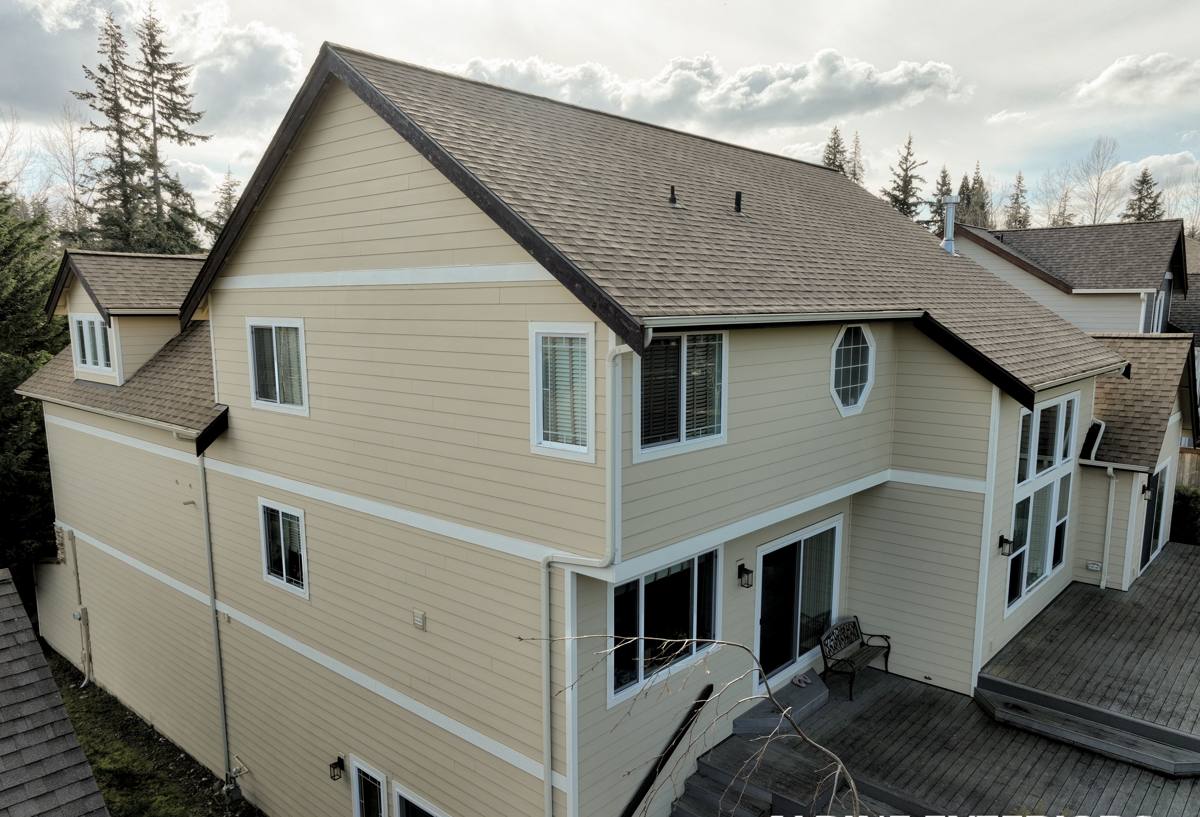
What Seminole's Climate Actually Does to a Deck
Before talking about materials, it helps to understand the specific stresses a deck faces in this part of Pinellas County:
- Year-round UV exposure fades and dries out untreated wood fibers faster than in most of the country, and it can chalk or discolor lower-grade composite boards over time.
- Salt-laden air off the Gulf accelerates corrosion in fasteners, brackets, and railing hardware, even at a few miles inland.
- Wind-driven rain pushes moisture into joints, ledger connections, and end-grain cuts that a straight-down rain would never reach.
- Heat and humidity together create ideal conditions for mold and mildew on any surface that doesn't drain or dry quickly.
- Hurricane-force wind loads put real stress on railing posts, ledger attachments, and footings — this isn't decorative hardware, it's structural.
A deck built without these factors in mind might look fine for a season or two before problems show up — cupping boards, rusted fasteners, soft spots at the ledger, or railing that's come loose from wind flex.
Why Composite Over Wood in This Climate
Wood decking can absolutely be done well, but it demands a maintenance schedule — sealing, staining, and periodic board replacement — that a lot of homeowners don't want to keep up with, especially in a climate that's this hard on organic material. Composite decking is manufactured from wood fiber and recycled plastic, which means it doesn't absorb moisture the way solid wood does, doesn't need sealing, and resists the swelling and splitting that humidity cycles cause.
That said, composite isn't maintenance-free, and not all composite is equal. Part of doing this job right is being honest about the trade-offs, which is where the comparison below can help.
| Decking Type | Coastal Durability | Maintenance | Typical Lifespan |
|---|---|---|---|
| Pressure-treated wood | Fair — needs sealing to resist moisture and salt air | High — annual cleaning and resealing | 10–15 years |
| Uncapped composite | Good — resists rot, some surface fading/staining over time | Low — periodic cleaning | 15–25 years |
| Capped composite | Very good — outer shell resists moisture, staining, and UV fade | Low — occasional washing | 25–30+ years |
| PVC decking | Excellent — fully synthetic, no wood fiber to absorb moisture | Low — occasional washing | 25–30+ years |
We'll walk through which option fits your budget and how the deck will actually be used — a shaded backyard deck has different needs than one that sits in full Gulf-facing sun most of the day.
Capped vs. Uncapped Composite
Capped composite boards have a plastic shell wrapped around a wood-composite core, which is what gives them their strong resistance to moisture intrusion and staining. Uncapped boards are the composite material through and through, which costs less up front but can be more prone to surface fading and moisture absorption at cut ends over years of exposure. In Seminole's climate, we generally recommend capped boards for anything exposed to direct sun and rain most of the day, and we'll say so plainly rather than upselling a product a given deck doesn't need.
What a Correct Composite Deck Installation Involves
The composite boards themselves get most of the attention, but the substructure and details underneath are what actually determine whether a deck lasts. This is true everywhere, but it matters more here because of the moisture and wind factors already covered.
Framing and Ledger Attachment
The ledger board — where the deck attaches to the house — is the single most common failure point on decks in humid coastal climates if it's not flashed correctly. Water that gets behind an improperly flashed ledger can rot the house's rim joist long before anyone notices a problem on the deck surface. We flash every ledger connection properly and use corrosion-resistant fasteners rated for coastal exposure, not standard hardware that will start rusting within a couple of seasons.
Joist Protection
Composite boards resist moisture well, but the wood joists underneath still need protection. We use joist tape over the top of framing members to keep water from pooling and soaking into the substructure — a step that's easy to skip and impossible to inspect once the decking is down.
Fastener Selection
Stainless steel or coated coastal-grade fasteners are non-negotiable this close to the Gulf. Standard galvanized screws can start showing rust streaks on composite decking within a year or two in salt air, which is a cosmetic issue that's entirely avoidable with the right hardware from the start.
Drainage and Board Spacing
Correct board gapping allows water to shed quickly instead of sitting on the surface, which matters both for mold prevention and for keeping the substructure dry. We account for composite's slightly different expansion behavior compared to wood when setting spacing, since gaps that are too tight can buckle boards during Florida's heat swings.
Railings, Footings, and Wind Considerations
Pinellas County's building codes reflect the real wind loads this area sees, and railing and footing work isn't a place to cut corners. Post attachment, footing depth, and railing baluster spacing all need to meet code — not just for inspection sign-off, but because a railing system that isn't properly anchored is a real safety issue during high winds. We size and anchor structural framing to hold up under the wind conditions Seminole actually experiences, not just fair-weather use.
Our Process
- On-site assessment — we look at the existing structure (if there is one), grading and drainage, sun exposure, and how the deck will be used before recommending materials.
- Material and layout planning — we walk through board options, color, and railing style, and give you a clear, honest price range based on square footage and structural needs.
- Permitting — decking work typically requires a permit through the local building department; we handle the paperwork and inspections as part of the job.
- Demolition (if replacing an existing deck) — old decking and, where needed, framing is removed and hauled off.
- Framing and structural work — ledger flashing, joist protection, footings, and framing are completed and typically inspected before decking goes down.
- Composite installation — boards, fascia, and railing are installed with coastal-grade fasteners and correct spacing.
- Final walkthrough — we go over the finished deck with you and cover basic care before we consider the job done.
What Composite Decking Costs to Install
Pricing depends on square footage, board tier, railing style, and how much structural work the existing framing needs. The table below covers the main cost drivers rather than a fixed price, since every property is different.
| Cost Factor | Why It Matters |
|---|---|
| Deck size and shape | Complex layouts (multiple levels, angles, curves) take more labor and material than a simple rectangle |
| Board tier (uncapped vs. capped vs. premium capped) | Higher-tier boards cost more per square foot but offer better fade and moisture resistance |
| Substructure condition | An existing deck with sound, code-compliant framing costs less to convert than one needing full rebuild |
| Railing system | Composite, aluminum, and cable railing all vary in material cost and installation time |
| Height and footings | Elevated decks need deeper footings and additional structural bracing for wind resistance |
Maintaining a Composite Deck in a Salt-Air Climate
Composite decking cuts down on maintenance significantly compared to wood, but "low-maintenance" isn't "no-maintenance," especially with salt air and humidity in the mix. A simple seasonal routine keeps a deck looking and performing the way it should for its full lifespan.
- Rinse the deck surface periodically to clear salt residue, pollen, and debris that can hold moisture against the boards.
- Wash with a mild soap and soft-bristle brush a couple of times a year to prevent mildew film, especially in shaded areas that stay damp longer.
- Keep planters and grills from sitting directly on the surface for extended periods to avoid trapped moisture spots.
- Check railing posts and fastener heads annually for corrosion, especially on homes closer to the water.
- Clear debris from underneath the deck periodically so airflow can keep the substructure dry.
Why Hire a Crew That Already Works in Seminole
A contractor who works regularly in Seminole and the surrounding Pinellas County area already knows the local permitting process, the wind-load requirements that apply here, and which materials and fastener grades actually hold up long-term against Gulf air rather than just performing well in a showroom. That local familiarity shortens the permitting timeline, avoids inspection surprises, and means the deck is built for the conditions it will actually face — not a generic spec sheet written for a different climate.
We're also positioned to respond quickly if storm damage or wind stress ever affects the deck down the road, since we're already working in the area rather than dispatching from somewhere farther out.
If you're considering a new composite deck or want to replace an aging wood deck in Seminole, we're glad to come take a look and give you a straightforward, no-pressure estimate — just fill out the form below to get started.