 St. Petersburg Siding
 Windows Built for Seminole's Coastline, Not a Generic Catalog
Seminole sits close enough to the Gulf that salt air, wind-driven rain, and intense sun are simply part of owning a home here. Add Pinellas County's exposure to hurricane-force winds during storm season, and it becomes clear why a window that performs fine in a mild inland climate can fail early on a house a few miles from the water. "Custom windows" doesn't mean fancy — it means windows sized, engineered, and specified to fit your actual openings, your home's wind exposure, and the way Florida weather works, rather than whatever size and glass package happens to be in stock at a big-box store.
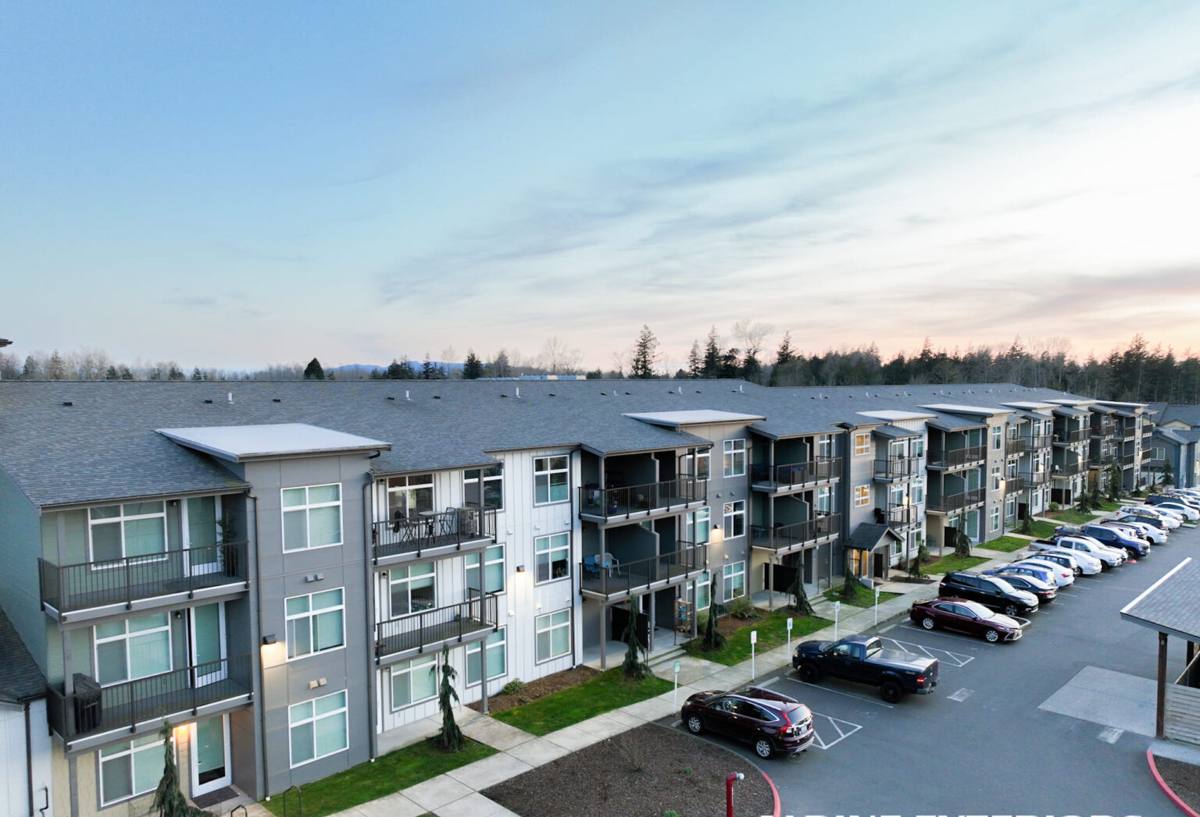
Many homes in and around Seminole date back to the 1960s through 1980s, with original openings that are rarely a standard modern size. Custom fabrication matters here because a poor-fitting window — even a good one — leaks air, lets in wind-driven rain, and becomes a weak point when a storm pushes through.
What Local Conditions Actually Demand From a Window
Wind and Wind-Borne Debris
Florida Building Code sets wind-load and impact requirements that scale with your specific location, roof height, and exposure category. A correct custom window order accounts for the wind pressures your particular home faces — not a generic number pulled off a price sheet. This is one of the most common places we see under-specified windows installed by out-of-town crews unfamiliar with local wind zones.
Wind-Driven Rain
It's not just the wind — it's rain forced sideways and upward against the building envelope during a squall or tropical system. Windows need proper flashing integration with the wall assembly and a sill design that sheds water rather than pooling it, or you'll eventually see staining, soft drywall, or mold around the frame regardless of how good the window itself is.
UV and Heat
Florida sun is relentless year-round. UV exposure degrades vinyl, fades interior finishes and furniture, and drives cooling costs up if the glass isn't doing its job. Low-E coatings and the right glass package matter as much here as impact resistance.
Salt Air Corrosion
Being close to the coast means airborne salt settles on everything — including window hardware, screens, and frame fasteners. Standard hardware corrodes faster in this environment than it would even twenty or thirty miles inland.
Frame Material: What Holds Up in This Climate
| Material | Salt Air Resistance | UV/Heat Behavior | Maintenance |
|---|---|---|---|
| Vinyl (quality, UV-stabilized) | Good — won't corrode | Can expand/contract; quality matters | Low — occasional cleaning |
| Aluminum | Fair — needs coated/anodized finish near coast | Conducts heat unless thermally broken | Moderate — watch for pitting/corrosion over time |
| Fiberglass/composite | Very good — stable and corrosion-resistant | Excellent dimensional stability in heat | Low |
We don't push one material as universally "best" — each has a legitimate place depending on your budget, the home's architecture, and how close you are to the water. What we won't do is install a frame or hardware package that isn't rated for coastal exposure just to save a step, because the maintenance headaches and premature failure aren't worth it for either of us.
Hardware and Screens
Look for stainless steel or coated hardware and fiberglass or corrosion-resistant screen frames. Standard steel fasteners and screen clips are one of the first things to fail in a salt-air environment, and a window is only as durable as its weakest hardware component.
Glass Options: Impact-Rated vs. Non-Impact With Protection
Homeowners in Seminole generally choose between two approaches:
- Impact-rated laminated glass — stays in place if struck by debris, provides year-round protection without deploying anything before a storm, and typically qualifies for insurance discounts.
- Standard insulated glass plus separate storm protection (shutters or panels) — can lower the upfront window cost but requires you to actually deploy protection before every storm, and leaves the glass unprotected the rest of the year.
Either path can meet code when specified and installed correctly. We'll walk through the real trade-offs — cost, insurance impact, convenience, and appearance — rather than assuming one is automatically right for your home.
Low-E Coatings
A quality Low-E coating cuts down solar heat gain without darkening the room noticeably, which matters in a climate where cooling costs run high most of the year.
What a Correct Installation Actually Involves
The window product is maybe half the equation. Installation quality determines whether it performs the way it's rated to. A correct job in this climate includes:
- Removing the old window and inspecting the rough opening for hidden rot, moisture damage, or framing issues before anything new goes in
- Proper flashing integration so water is directed out and away from the wall assembly, not just caulked over
- Shimming and leveling to spec so the frame isn't under stress, which can cause premature seal failure
- Continuous sealant beads at all the right points — not just a bead around the visible trim
- Fastening per the manufacturer's and code-required schedule, sized for the wind loads your home faces
- Interior and exterior trim work finished cleanly, matching the home's existing lines
- Proper disposal of old windows and job-site cleanup
Skipping any one of these steps is how a good window still ends up leaking or underperforming in a storm.
Our Process for Seminole Homeowners
1. On-Site Assessment
We measure actual openings — not assumed standard sizes — and check the condition of the surrounding wall and framing, since older Pinellas County homes often have settling or moisture history that needs to be addressed before new windows go in.
2. Product and Spec Selection
We walk through frame material, glass package, and impact vs. non-impact options based on your home's exposure, budget, and how you actually plan to use the space.
3. Permitting
Window replacement in Pinellas County typically requires a permit, and the wind-load documentation has to match your specific site conditions. We handle this rather than leaving you to sort it out with a supplier who's never seen your address.
4. Installation
Our crews follow the flashing, sealing, and fastening steps above on every install — not just when it's convenient.
5. Final Walkthrough
We check operation, seals, and finish work with you before calling the job done.
Why It Matters That We Already Work in Seminole
A crew that regularly works this specific stretch of Pinellas County knows the common housing stock, the typical opening sizes and quirks in older Seminole homes, and the wind and rain exposure patterns of the area firsthand — not from a spec sheet. That familiarity shows up in fewer surprises during the job: knowing what to check for behind an old aluminum frame, knowing which corrosion issues show up first on homes this close to the water, and knowing the local permitting process instead of learning it on your project.
It also matters after the sale. A local crew is the one you call if a seal needs attention two years down the road or a screen needs replacing after a rough storm season — not a name from out of the area that's hard to reach once the invoice is paid.
Cost Factors to Expect
| Factor | Why It Moves the Price |
|---|---|
| Impact vs. non-impact glass | Impact-rated laminated glass costs more upfront but removes the need for separate storm protection |
| Frame material | Fiberglass and coated aluminum options generally cost more than standard vinyl |
| Opening condition | Rot or framing repair discovered during removal adds labor and material |
| Number and size of openings | Larger openings and custom shapes require more engineering and fabrication time |
| Permitting and code requirements | Wind-load documentation and inspections are part of a compliant job, not an optional add-on |
Whole-house window projects for a typical Seminole home commonly range from the low thousands for a handful of standard openings up to well into five figures for a full-house impact-rated upgrade — the honest answer is that it depends heavily on the factors above, which is why we quote after actually seeing the openings.
A Simple Checklist Before You Sign a Window Contract
- Does the quote specify the actual glass package and impact rating, not just "impact windows"?
- Is the frame material and hardware rated for coastal/salt-air exposure?
- Does the contractor pull permits and handle wind-load documentation for your address?
- Is flashing and sealing detail included in the written scope, not left vague?
- What's the warranty on both the product and the installation labor, and who backs each one?
- Does the company have a real, verifiable local presence in the Pinellas County area?
Maintenance That Extends Window Life Near the Coast
Even the right windows need some upkeep in a salt-air environment. Rinsing frames and hardware periodically removes salt buildup before it accelerates corrosion. Checking weep holes for debris keeps water draining properly instead of pooling in the frame. And having seals inspected every couple of years catches minor issues before they turn into interior water damage after a heavy storm.
If you're considering custom windows for a home in Seminole, we're happy to take a look at your current openings and talk through honest options for your budget and exposure — no pressure, no obligation. Use the form below to request a free estimate.