 St. Petersburg Siding
 New-Construction Windows in Seminole: Getting It Right From the Studs Out
New-construction windows are a different animal from a replacement window. On a replacement job, the existing frame stays in the wall and a new unit is fit inside it. On new construction — whether that's a from-scratch build, a room addition, a garage conversion, or a gut-to-the-studs remodel in Seminole — there is no old frame to work around. The window gets installed directly into the rough opening with a nailing flange, and the flashing, weather barrier, and stucco or siding tie-in all happen around it. That means the window installer isn't just setting glass in a hole; they're building one of the most important weatherproofing details in the entire house.
For homeowners in Seminole, that distinction matters more than it would somewhere with a milder climate. This is a low-lying Pinellas County community sitting close to both the Gulf and Tampa Bay, which means every new window opening has to be built to handle hurricane-force wind loads, wind-driven rain, near-constant UV exposure, and salt-laden air — often all in the same year. Get the flashing detail or the fastening schedule wrong on a new-construction window, and the problem doesn't show up as a stuck sash. It shows up as water intrusion behind the stucco, rot in the framing, or a window that fails during the next named storm.
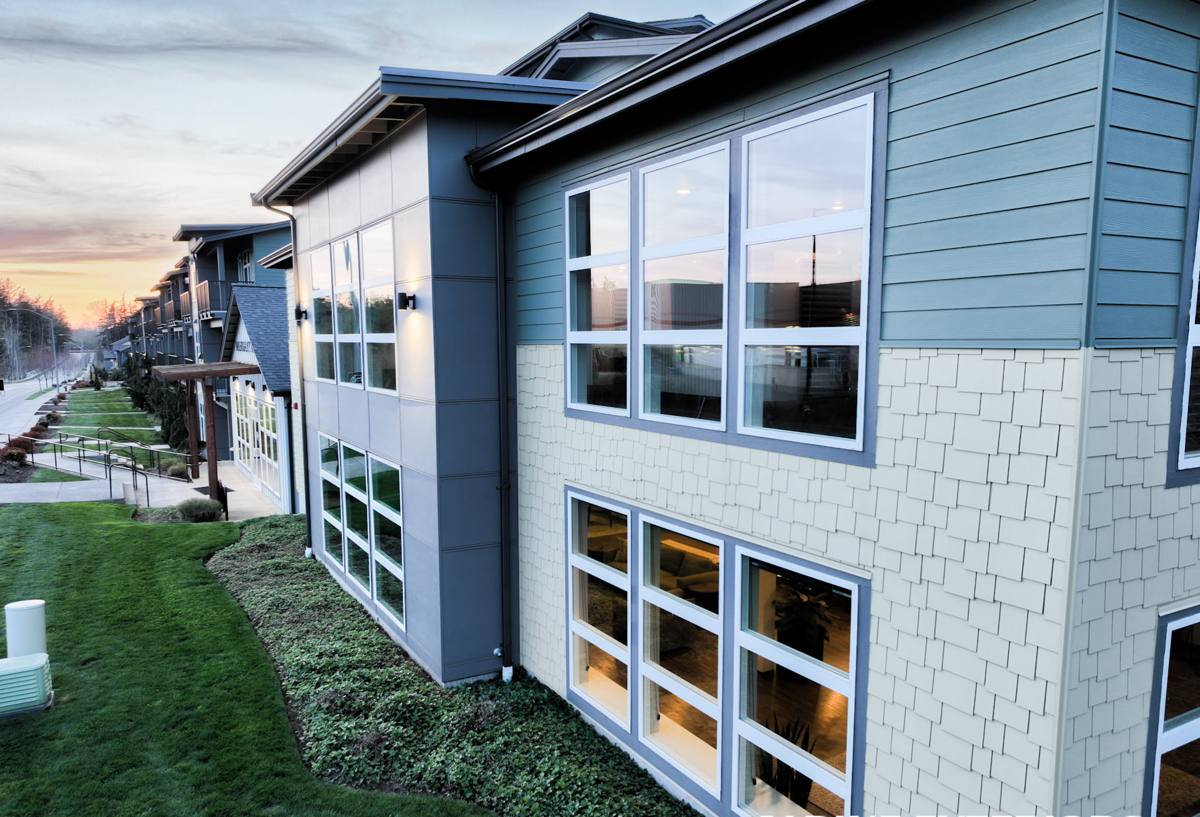
What Seminole's Climate Actually Demands From a Window
Seminole doesn't get one kind of weather stress — it gets several, layered on top of each other, year after year.
Hurricane and Tropical Storm Wind Loads
Pinellas County's building code requires windows to meet specific wind-load and impact criteria based on location and exposure. A new-construction opening has to be sized, framed, and fastened to hold a window rated for those loads — this isn't optional trim work, it's a structural requirement tied to the permit.
Wind-Driven Rain
During a tropical system, rain doesn't just fall — it gets driven sideways into the building envelope under pressure. A window can be perfectly rated for wind and impact and still leak if the flashing, sill pan, and sealant details around it aren't built correctly. This is almost entirely an installation issue, not a product issue.
Intense, Year-Round UV
Central Florida sun is harder on materials than most homeowners realize. UV exposure degrades cheap vinyl, breaks down low-quality sealants, and can fade or discolor frames over time. Glass packages and frame finishes need to be chosen with that in mind, not just for the day of installation but for the next couple decades.
Salt Air Corrosion
Seminole's proximity to the Gulf and the Bay means airborne salt is a real factor, even a few miles inland. Hardware, fasteners, and frame components that aren't corrosion-resistant will show it first — pitting, staining, and hardware that stops operating smoothly well before the glass itself has a problem.
Frame Materials: What We Recommend and Why
There isn't one "best" frame material for every project — the right choice depends on the home's design, budget, and how much upkeep the owner wants to take on. Here's how the common options compare for a coastal Pinellas County installation:
| Frame Material | Coastal/Salt Performance | Maintenance | Typical Fit |
|---|---|---|---|
| Impact-rated vinyl | Good — resists corrosion, no rust risk | Low — occasional cleaning | Most residential new construction; strong value |
| Aluminum | Good if properly coated; can pit over time without it | Moderate — coating needs monitoring | Larger openings, contemporary designs |
| Fiberglass | Very good — dimensionally stable, resists salt and UV | Low | Higher-end builds, larger temperature swings |
| Wood-clad | Poor without diligent upkeep — moisture and salt are hard on exposed wood | High | Interior-visible trim look; we generally steer new-construction coastal clients away from exposed wood exteriors |
We don't install exposed wood exteriors on new-construction openings in this area as a matter of professional standard — not because wood windows are a bad product everywhere, but because the maintenance burden and moisture sensitivity are a poor match for salt air and heavy seasonal rain. That's a trade-off judgment, not a knock on any manufacturer.
Glass Packages
For new construction in Seminole, we typically spec impact-rated laminated glass with a low-E coating. The lamination protects against windborne debris during storms, and the low-E coating cuts down on solar heat gain — which matters for a Gulf Coast cooling bill that runs most of the year. Tint and coating levels can be adjusted based on which elevation the window sits on and how much direct afternoon sun it gets.
How a Correct New-Construction Window Job Comes Together
The window unit itself is maybe a third of what determines whether the installation performs for the next 20-plus years. The rest is sequencing and detail work around it.
- Rough opening framing — sized and squared to the manufacturer's specification, with headers and jambs built to carry the structural loads the window transfers to the frame.
- Sill pan flashing — a sloped, sealed pan at the bottom of the opening so any water that does get past the window has a path to drain back outside instead of into the wall cavity.
- Weather-resistive barrier integration — the house wrap or building paper has to be lapped and taped in the correct sequence with the window flanges, not just tucked around them.
- Setting and fastening — the window is shimmed level and plumb, then fastened per the manufacturer's schedule (spacing and fastener type matter for wind-load performance).
- Flashing tape and sealant — head, jamb, and sill flashing tape goes on in the right order (sides before top, always) so water sheds outward at every lap.
- Stucco or siding tie-in — the exterior finish has to terminate cleanly at the window with proper sealant joints and, where required, a weep path.
- Interior finish and operation check — trim, insulation around the frame, and a full operational test of every sash and lock.
Skipping or rushing any one of those steps is how a brand-new window ends up with a leak two rainy seasons later.
Permitting, Wind Zones, and Impact Ratings
Every new-construction window opening in Pinellas County goes through permitting, and the required wind and impact rating depends on the property's specific location and exposure category. This isn't a place to guess — the wrong rating can mean a failed inspection or, worse, a window that isn't actually built for the loads it will see. Part of our process is confirming the correct rating requirement for the address before we ever order product, and pulling and closing out the permit as part of the job rather than leaving that step to the homeowner.
Impact-rated glass also has a side benefit worth mentioning: in most cases it removes the need for separate storm shutters or panels on those openings, since the glass itself is the storm protection.
Common Mistakes We See on New-Construction Window Openings
Some of these come from other contractors' work we've been called in to fix; others are just common failure points worth knowing about before your project starts.
- Flashing tape applied out of sequence (top before sides), which sends water into the wall instead of out of it
- No sill pan, or a sill pan that isn't sloped to drain
- Fasteners spaced wider than the manufacturer's wind-load schedule allows
- Sealant used as a substitute for proper flashing instead of a backup to it
- Wrong impact rating ordered for the wind zone or exposure category
- Stucco or siding closed up around the window before the flashing inspection is signed off
- Interior trim installed tight against the frame with no room for the frame to move with temperature and humidity swings
Our Process for a Seminole New-Construction Window Project
We keep this straightforward, whether it's one opening on an addition or a full house of new windows:
- On-site assessment — we look at the framed openings (or the plans, if we're coming in early), confirm wind zone and exposure requirements, and talk through frame and glass options.
- Written proposal — clear scope, product specs, and pricing before anything is ordered.
- Permitting — we pull the required permit and coordinate inspections so the job is done above-board, not just installed and hoped-for.
- Installation — following the sequence above, with a crew that installs these openings routinely, not occasionally.
- Final walkthrough — every unit operated and checked with you before we call it done.
What This Costs and What Drives the Price
Every new-construction window job is priced around a handful of real factors, not a flat per-window number. Here's what typically moves the estimate:
| Factor | Why It Matters |
|---|---|
| Number and size of openings | More and larger openings mean more material and labor |
| Required wind/impact rating | Higher-rated impact glass costs more than standard glass |
| Frame material | Vinyl, aluminum, and fiberglass carry different material costs |
| Opening complexity | Odd shapes, bay configurations, or tall openings take more time to flash and finish correctly |
| Exterior finish tie-in | Stucco patch-back and trim work adds labor beyond the window itself |
| Permitting and inspection timing | Coordinating around other trades on a build schedule can affect sequencing |
We give a written, itemized estimate before any work starts — no vague lump-sum guessing.
Why Hire a Crew That Already Works in Seminole
A window crew that regularly works Pinellas County openings already knows the local wind and impact requirements without having to look them up mid-job, has a working relationship with local permitting, and has seen firsthand how salt air and storm seasons treat different products and installation details over the years. That local track record shows up in fewer callbacks and fewer surprises — not because out-of-area crews can't do good work, but because familiarity with this specific climate and code environment removes a lot of the guesswork that leads to problems down the road.
If you're planning a new build, an addition, or a remodel in Seminole and want windows that are sized, rated, and installed correctly for this coastline from day one, we're happy to take a look and walk you through the options. Reach out for a free, no-pressure estimate using the form below.